
Victoria 3: State and Revolution Review
PC
The expansion brings new political systems, revolutionary paths, and deeper ways to shape Russia's future.
Reviewed by Sarwar Ron on Nov 10, 2026
Victoria 3 has always focused on the political, economic, and social changes that shape a country. Still, Victoria 3: State and Revolution gives that experience a more specific direction by expanding Russia's political landscape. The expansion launches on November 5, 2026, along with free Update 1.15, which changes socialism, warfare, markets, and other parts of the base game.
The paid content focuses mostly on Russia and surrounding territories, but the free update includes improvements that affect almost every campaign. Combined, they provide more ways to shape your country, handle political pressure, and deal with the consequences of your decisions.
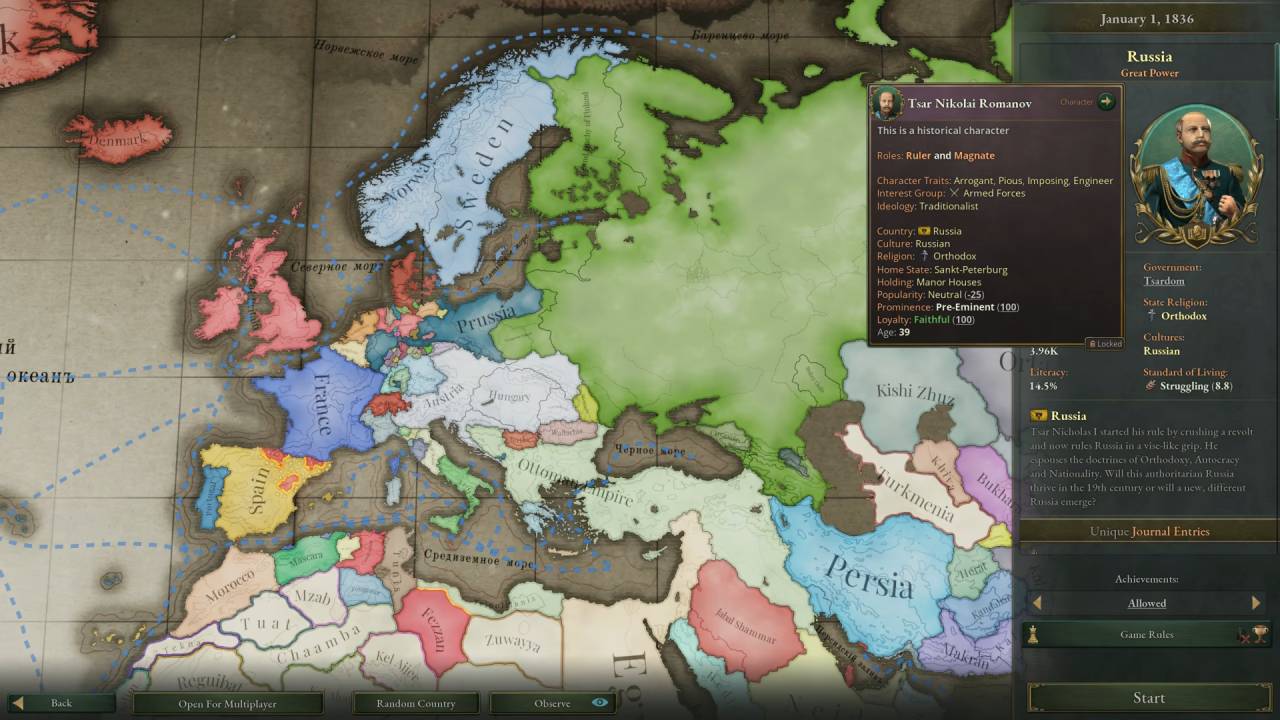
The main attraction of Victoria 3: State and Revolution is the freedom to steer Russia toward alternative political destinations. You are not merely following some predetermined historical trajectory toward the Bolshevik Revolution. Your decisions, the people you put in power, and which political parties gain support will all shape how the country develops.
You can keep the monarchy. You can liberalize. You can have a revolution. You can go socialist. A conservative counterrevolution is also possible if you take Russia too far in a liberal direction. These different paths give you reasons to replay the country, as your decisions can lead to very different political situations.
One of the most important additions is the Emperor and Autocrat journal system.
Each ruler has their own personal agendas, based on their personality and political beliefs, giving you certain goals to accomplish while they rule. By completing these objectives, you earn Imperial Fiat, a special currency you can spend on imperial decrees called Ukazes.
This adds another layer of decision-making, as you have to think about your ruler's ambitions as well as the needs of the country at large. Some objectives will be geared toward economic development, while others will push you to make certain political or diplomatic decisions.
Imperial Fiat is particularly nice because it gives you something more useful for finishing journal quests. Some previous tasks offered relatively minor rewards, such as prestige or loyalists, which didn't always seem worth the effort. Now, completing an objective also gives you a resource that can affect how your government runs.
Ukazes let you use your ruler's authority to push certain decisions forward. But these decrees don't let you ignore your ruler's beliefs. A traditionalist emperor is unlikely to endorse laws that contradict his ideology. Court favorites add another way to influence this system, as appointing certain characters can shape your ruler's political outlook and provide additional objectives.
For instance, picking a favorite modernizer can help you escape traditional laws. This makes political appointments more meaningful: you consider what they might do for the country's future, instead of just filling a position.
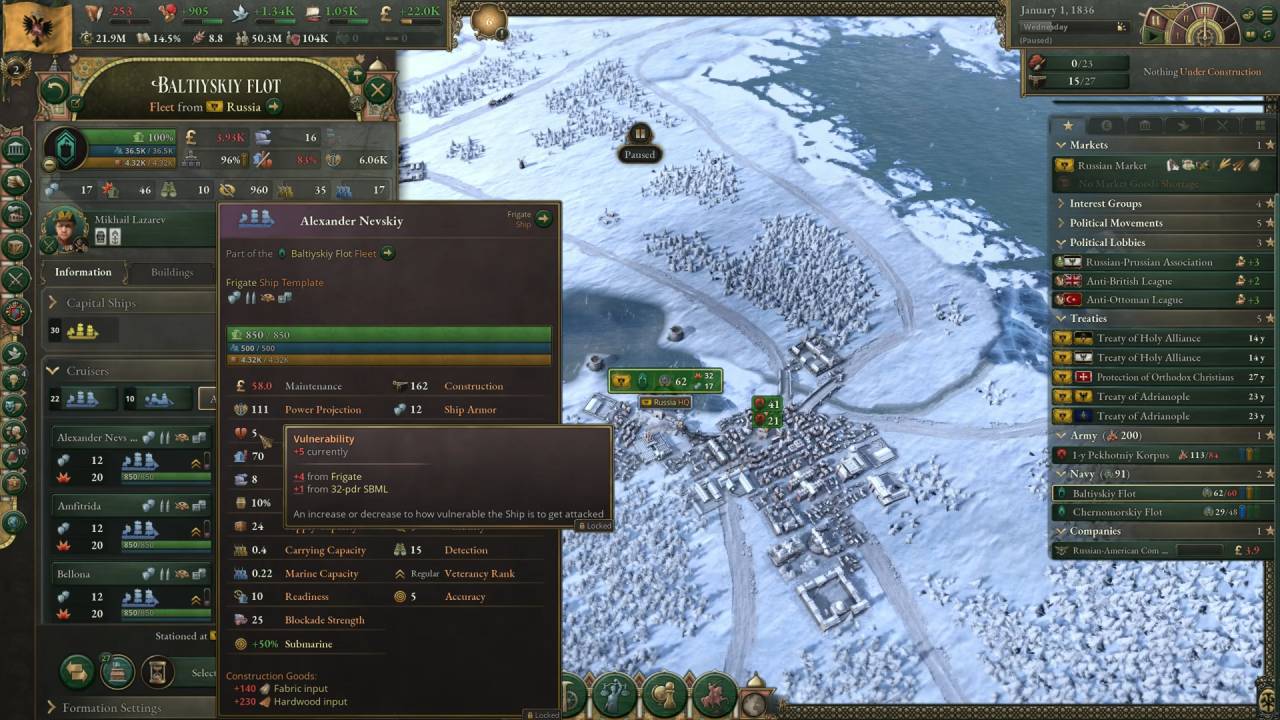
An interesting trade-off exists between maintaining autocratic power and introducing liberal reforms. Going toward elections and a more liberal government means losing access to Imperial Fiat, which gives you a reason to keep the monarchy. But the balance is a little unconvincing.
You can have several liberal reforms, keep the monarchy, and keep access to the system. Removing serfdom or introducing interventionism does not necessarily force you to give up your imperial authority. This weakens the intended conflict between modernization and autocracy, and I would have liked to see stronger consequences for trying to maintain both.
Literature and intellectual movements are another major part of the Russian content.
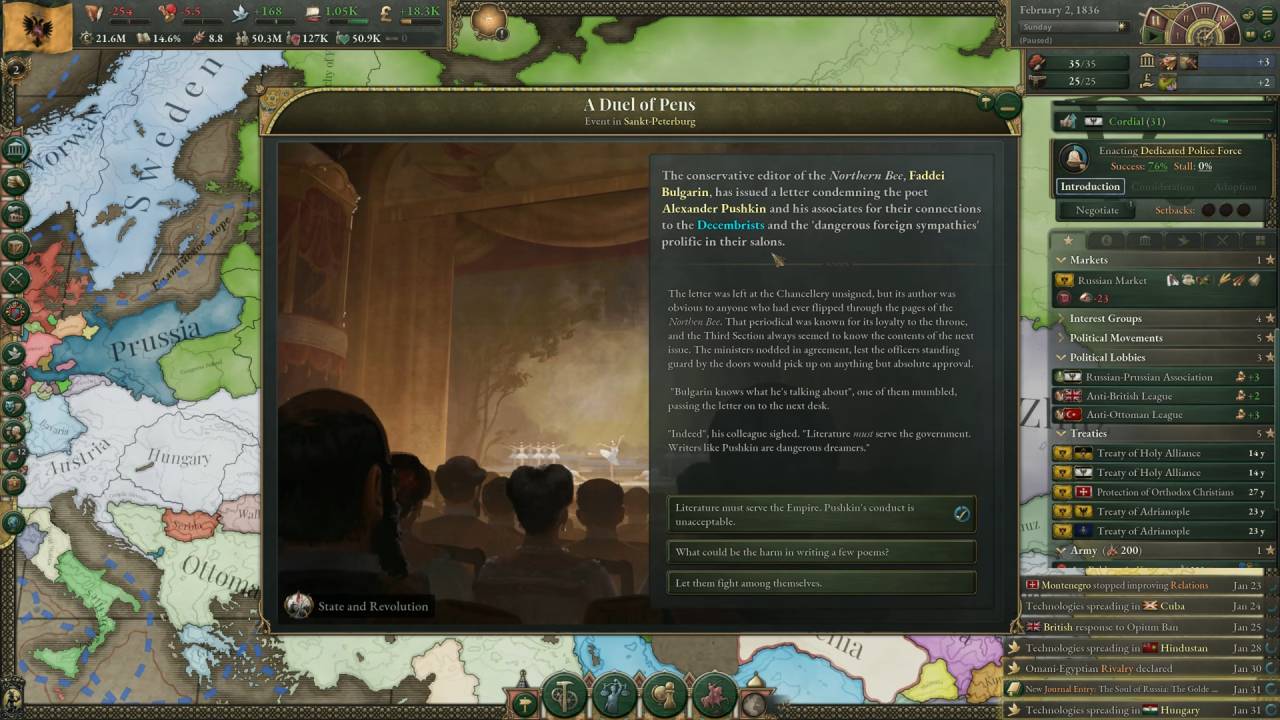
New journal entries introduce famous writers and thinkers as characters, including Fyodor Dostoevsky. You can make these people favorites and take decisions that will affect the political outlook of the country's intellectual population.
Depending on your choices, you can encourage more authoritarian ideas or move toward liberal and universalist ideas. These events can also involve interest groups, shaping the political positions of larger sections of society, not just an individual character's ideology.
I like this addition because it gives you more control over the ideas developing in your country. In Victoria 3, interest groups don't change their political position very often, so adding more opportunities to sway them through historical events makes the experience more interesting. The literary content also gives the expansion some historical flavor, particularly when dealing with writers who could face persecution or exile.
Sending dissidents to Siberia is not simply a way to remove an inconvenient character, either. Exile events can also let political ideas develop among those sent away, meaning the consequences of your decisions can extend beyond the immediate situation.
The expansion also adds new cultural renaissance journal entries for Ukraine and Belarus. These allow you to influence the development of their populations and the possibility of eventual independence. Supporting a Ukrainian cultural renaissance, for example, can provide benefits while increasing nationalist fervor.
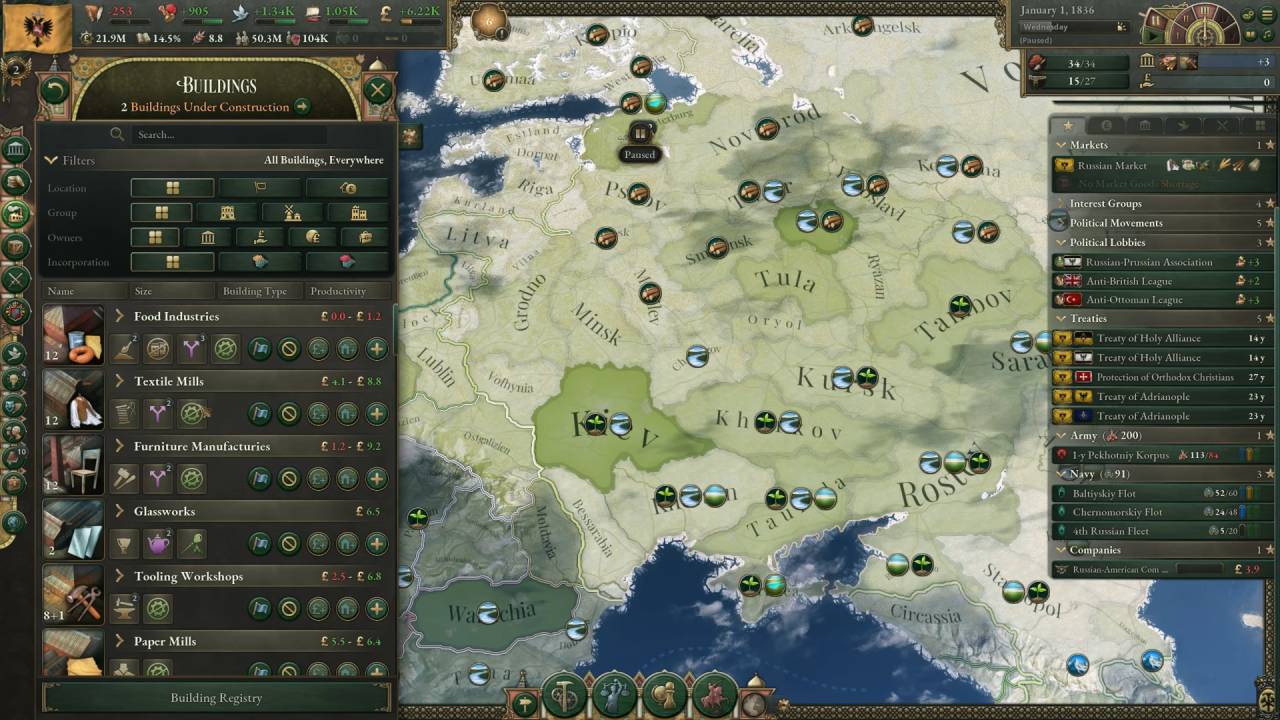
You can choose to restrain that development, but it comes at the cost of literacy and innovation. This presents a dilemma between promoting cultural growth and maintaining control of the region. But the consequences don't always seem especially menacing. Even if separatist movements do arise, Russia can usually extinguish them without much trouble, especially if it has maintained a strong military.
Belarus gets similar content, but the results often feel less meaningful. These journal entries have interesting ideas, but the mechanics could make their consequences feel more meaningful. Revolutionary systems are the biggest feature of the expansion. Political movements can gather enough support and activism to challenge the existing government, opening the door to liberal, conservative, or socialist revolutions.
So you have to be careful with the groups that are against your government. Reforms that please one section of society can create problems with another. You can also use exile and other political decisions to manage opposition, although suppressing a movement does not always mean its ideas disappear.
A successful revolution does not automatically give you a stable government.
The provisional government system adds another stage in which the new administration must establish its authority and maintain support. If it fails, another movement may try to take over, possibly leading to civil war, breakaway territories, or generals turning into warlords.
In some scenarios, Russia could break apart into several smaller states. You can then continue playing through the collapse and attempt to reunify the country using a special war goal. This makes the aftermath of a revolution more interesting because overthrowing the old government is only the beginning of the challenge.
However, there are limits to how easily you can achieve these revolutionary results. When the economy is stable, reforms have been introduced, and you still have support, it is hard to start a revolution. You may have to make unpopular decisions deliberately to generate enough political activism. That does give you a modicum of control over whether you want to run a revolutionary campaign, but it's a little weird to harm your own country just to see content.
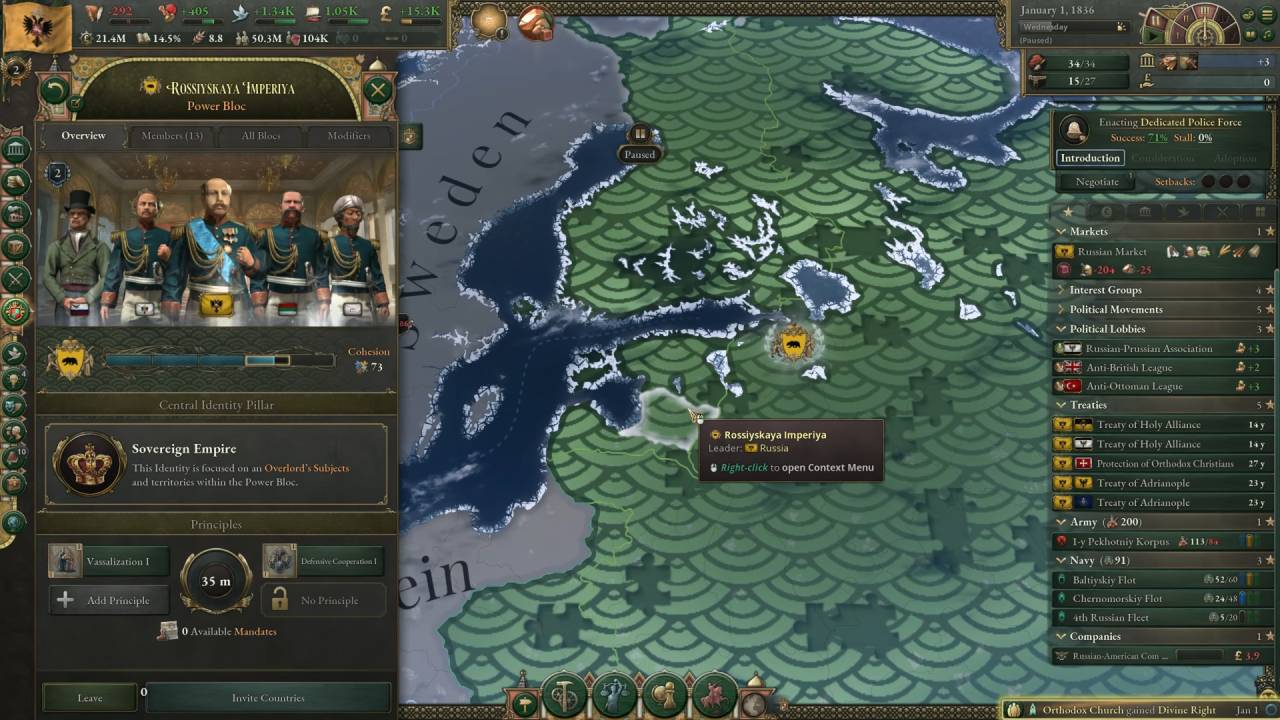
The different outcomes are enjoyable, but the path to them could feel more natural.
Congress Poland also receives additional attention, becoming playable through the free update, while the expansion adds White and Red political paths. The White route can restore the 1815 constitution and provide greater autonomy while maintaining a personal union with Russia. The Red path can lead towards an uprising. These options offer a different perspective on Poland's relationship with Russia.
You can focus on developing the country and gaining greater autonomy, or pursue a more radical political direction. The Great Game content is also accessible through campaigns using either Sphere of Influence or State and Revolution, making it easier to encounter these events without starting a specific scenario.
Outside the Russia-focused content, Update 1.15 introduces a major overhaul to socialism. Researching socialism no longer automatically turns trade unions socialist. Instead, you must establish Factory Councils by law before you can enact a Council Republic. This requires revolutionary conditions, although a powerful trade union movement can also push for the change.
Depending on your country's circumstances, you can achieve the transition through political movements or a revolution. Four new laws broaden the scope for socialist governments—Labor Suffrage changes who can vote. Extraordinary Commission gives the government more power to crush opposition. The Revolutionary Guard cuts down the standing army and replaces it with military leaders.
Communal Administration needs more clerks to administer it. They make socialist governments seem harder to manage. But they also introduce practical considerations. You must ensure your country has the workforce to run its administration and consider how the changes will affect political groups opposed to your government.
Unfortunately, the socialism overhaul has one glaring restriction. Even if your government already has strong socialist representation, becoming a Council Republic is too closely tied to revolution. You can have a communist leader and a strong trade union movement, but still not make it through the transition by normal political means.
This seems a bit too restrictive, especially when the government already seems to favor the ideology you're trying to introduce. In the journal entry on Reform or Revolution, which deals with the development of social democracy, you also have limited control. The world's largest socialist movement influences which country's socialist party leads the process, but you can't meaningfully direct how the entry develops.
You mostly have to watch its progress and hope it moves towards the outcome you want. It would have been better if the leading socialist country could influence other nations to introduce reforms or directly shape the movement's direction. The idea is worth having, but the lack of player agency makes it less engaging than the expansion's Russia-focused political systems.
Warfare also receives several useful changes in Update 1.15.
Even when a country has zero support for a war, it can still fight on (with negative consequences). If both sides stay at zero for three months, the conflict ends in a white peace. This helps stop wars from dragging on forever when neither side can gain anything worthwhile.
The infamy system also rebalances. Instead of depending so much on a fixed minimum cost for conquering territory, it now considers factors such as population, GDP, whether the territory is a capital, and the presence of national homelands.
That makes the diplomatic fallout of expansion more commensurate with what you're taking. Russia can afford to lose some reputation in Central Asia, but taking big cities like London, Berlin, or Paris would be far more damaging.
This adjustment is reasonable, as taking a major capital city should have a major effect on international relations. Other improvements will make managing your economy and territory easier. Tooltips on buildings now provide more information on why a building isn't hiring, helping you understand what is stopping it from working effectively.
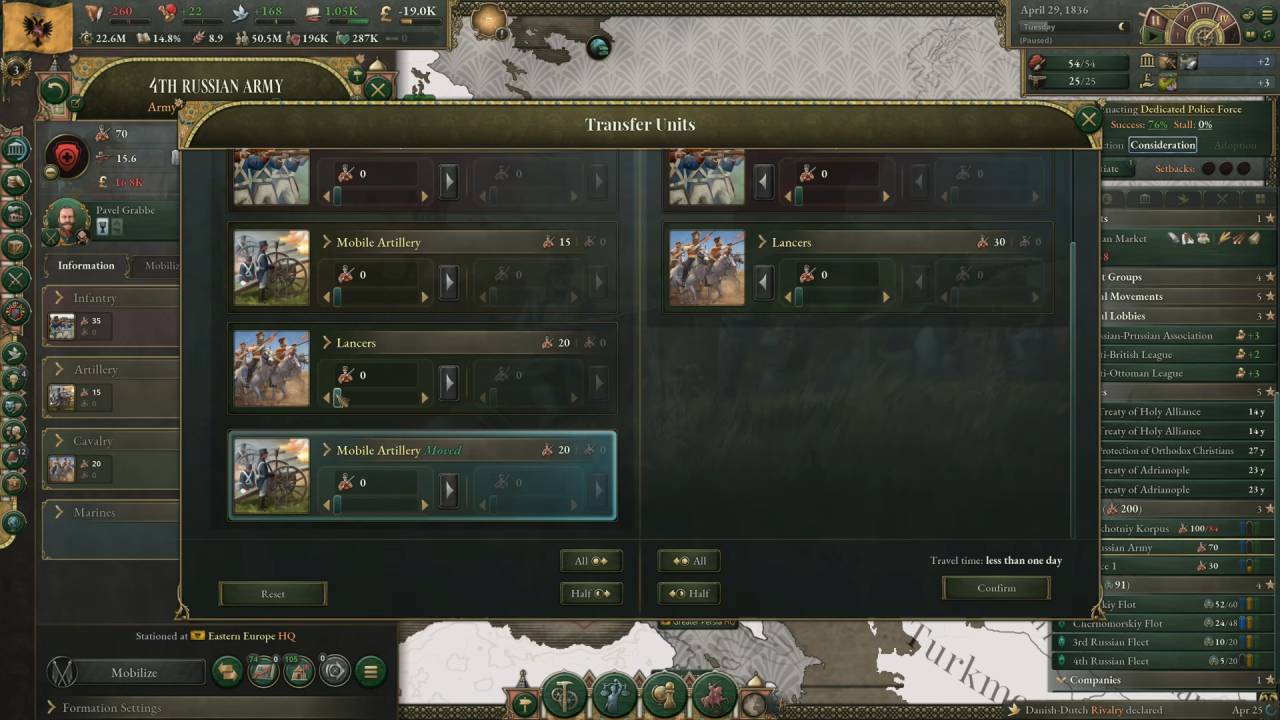
The update also introduces copper as a resource, used for electricity generation, ship sheathing, distilling, and early artillery. Gives you another resource to consider when developing your industries and military. But it is hard to gauge its overall effect, especially with concerns about whether the world has enough copper to meet demand.
New cold system land and sea. Harsh sea cold can delay vessels, increase the number of ships needed to supply armies using affected routes, and reduce related trade capacity. That means you need to factor weather into moving your navies and supply lines.
Cossacks also benefit from settlement, policing, and land-use mechanics that draw extra attention. These decisions can bring benefits, but they can also use up agricultural land and increase tensions with local populations. So you have to balance short-term advantages with longer-term effects.
Further adjustments are made to the subjects and markets.
Connected markets can now host up to four world market hubs. States usually use the closest hub, but will switch to another if their access is disrupted. Subjects also have more chances to pursue independence or greater autonomy when their overlord is at war, as long as they are not the direct target of the enemy's war goals. They can even assist rebels in their overlord's revolution. These changes make managing your subjects more important, especially as you prepare for a major conflict.
The expansion adds seasonal effects that visually change the map as your campaign progresses. These are cosmetic additions with no gameplay mechanics, but they add a bit more variety to the world. The interface also gets clearer tooltips and additional information about buildings and other systems.
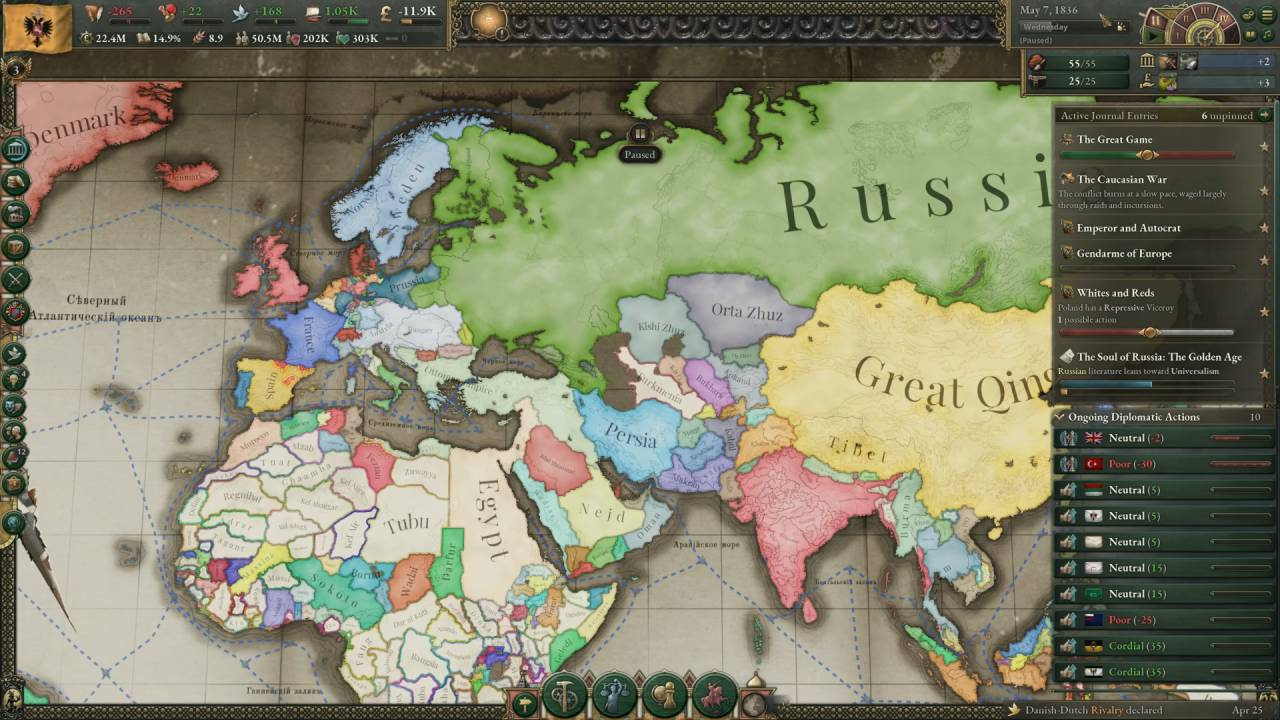
All in all, Victoria 3: State and Revolution is a solid addition that makes Russia a more interesting country to play. The Imperial Fiat system, leader agendas, literary events, and various revolutionary outcomes give you more ways to shape the country's political future. Some journal entries lack meaningful consequences, and the socialism overhaul restricts peaceful political change more than it should.
Update 1.15 is equally important because its changes improve the wider game beyond Russia. The revised infamy and war support systems make warfare more manageable, while the market, subject, and economic adjustments give you more to consider during a campaign. The socialism changes aren't perfect, but they open up new possibilities for players who want to build a different kind of government.
Victoria 3: State and Revolution may not completely transform Victoria 3, but it provides a well-rounded experience with rewarding political mechanics, interesting historical content, and useful improvements. It might not reach the same level as Charters of Commerce, but it is still one of the stronger additions to the game and gives you plenty of reasons to return to Russia.
Admin, NoobFeed
Verdict
Victoria 3: State and Revolution delivers a rewarding political overhaul for Russia, backed by useful free updates. Some mechanics lack depth, but it remains a strong addition to Victoria 3.
77
Related News
No Data.