

AM5 Longevity: How Far Can Ryzen 7000 and 8000 Series Go?
AMD’s AM5 socket continues to provide extensive future-proofing through multiple processor generations and advanced platform support.
Hardware by Katmin on Aug 19, 2025
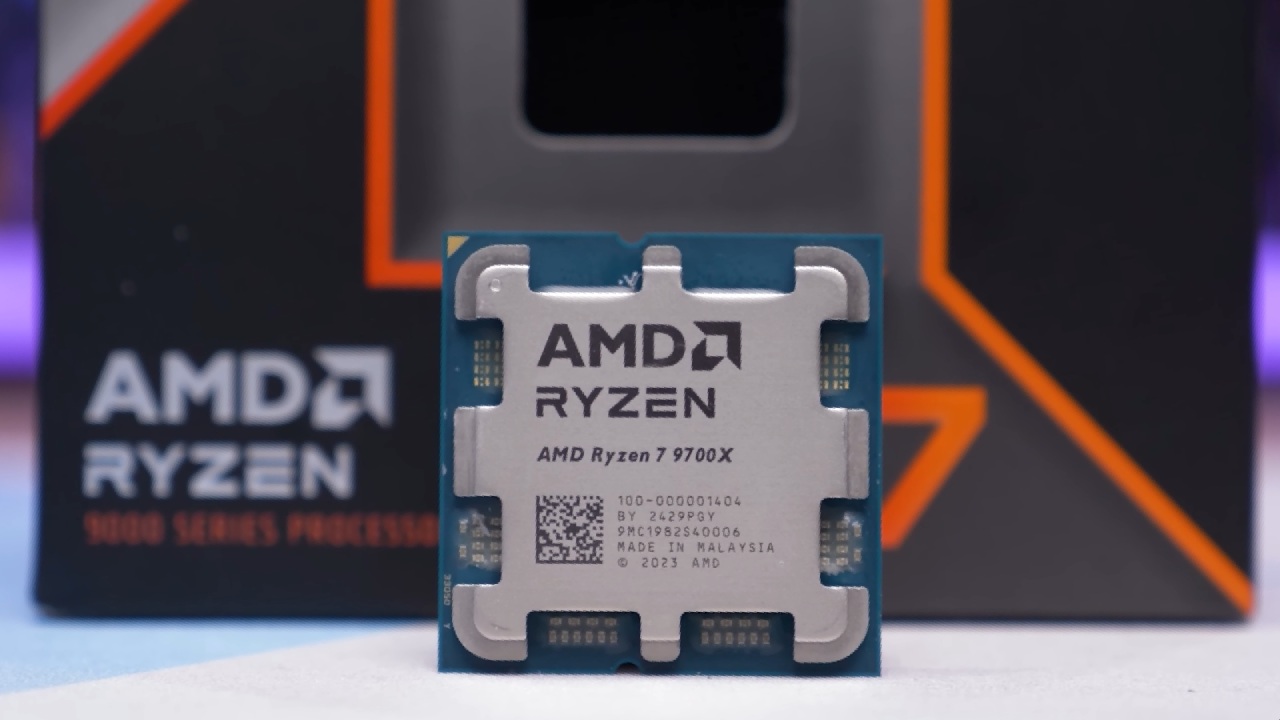
AMD's AM5 socket has become a cornerstone for its desktop processors, debuting with the Ryzen 7000 series in 2022. By 2025, the platform has developed into a strong basis for productivity and high-performance gaming systems.
Many enthusiasts are wondering how long AM5 will be relevant and if investing in this platform now would assure future-proofing, especially with the release of the Ryzen 8000 series.

AMD's Commitment to AM5 Longevity
AMD has shown a significant commitment to the long-term viability of the AM5 platform. AMD intends to support the AM5 socket through at least 2027 and possibly beyond, according to CEO Lisa Su's announcement at Computex 2024.
This is similar to AMD's prolonged support for the AM4 socket, which supported over 145 CPUs and APUs for almost ten years. The roadmap indicates that AM5 will support the Ryzen 7000, 8000, and even 9000 series processors, with Zen 6 and Zen 7 architectures also expected to utilize the platform.
This suggests that AM5 could host up to five generations of AMD's desktop CPUs, offering an unusually high level of future-proofing for gamers and professionals alike.
Ryzen 7000 and 8000 Series: Performance and Features
Based on the Zen 4 architecture, the Ryzen 7000 series brought important improvements such PCIe 5.0 compatibility, DDR5 memory support, and improved power delivery to handle higher wattages for more potent processors.
Adding to this, the Ryzen 8000 series with the Zen 5 architecture offers a significant boost in instructions per cycle (IPC), which results in better performance on work and gaming applications.
AMD keeps pushing the boundaries with each generation, producing processors that are more potent and efficient while still being compatible with the AM5 socket.

Looking Ahead: Zen 6 and Zen 7 on AM5
Rumors and leaks indicate that AMD's Zen 6 processors, which are expected to be released in 2026 and 2028, respectively, will utilize the AM5 socket. Because of this extended service term, customers who buy AM5 systems now could be able to upgrade to these future processors without needing a new motherboard.
AMD's future AM6 socket, which is expected to be available around 2028, will support PCIe Gen 6 and DDR6 memory, but it will still work with AM5 cooling solutions, so users upgrading their systems won't have any problems.
Final Thoughts
The AM5 platform exemplifies AMD's commitment to longevity and user investment. AM5 is an appealing option for developing or updating systems because of its support through at least 2027 and possible compatibility with upcoming Zen 6 and Zen 7 processors.
The AM5 socket provides a strong foundation that can support cutting-edge CPUs and technology for many years to come, whether for professional office work or the most intense gaming.
Check Our Other AMD articles:
- AMD Ryzen 9 9950X3D Review: Setting The Standard For 2025 Gaming CPU
- AMD Ryzen 7 9800X3D Review: 3D V-Cache Goes God Mode with Stunning Gaming Performance
- AMD RX 9070 Performance Review: Thermals, Clocks, and Real-World FPS
- AMD Ryzen 5 7600 Review: Best Budget Gaming CPU of 2025?
- AMD Radeon RX 7800 XT Review: RDNA 3 Power For Midrange Gaming
- Sapphire NITRO+ AMD Radeon RX 9070 XT Review: The Ultimate 4K Gaming GPU
- AMD Ryzen 7 7800X3D: Delivers Gaming Performance Far Beyond Expectations
- AMD Ryzen 9 7900X Review: Powering the AM5 Era with DDR5 & PCIe 5.0
- ASRock Radeon RX 7800 XT Challenger OC Review: Best Price-to-Performance GPU of 2025
- Intel Core i9‑14900K vs. AMD Ryzen 7 7800X3D: Power Profiles & Gaming Benchmarks
Senior Editor, NoobFeed
Latest Articles
No Data.