
ASUS ROG RTX 5090 Matrix Review: Power, Cooling, and Real Performance Analysis
A limited-production flagship GPU designed with high-capacity cooling hardware, advanced power structure, and specialized performance tuning features.
Hardware by Naheyan Tahmin on Nov 25, 2025
One of the rarest graphics cards on the market is the ASUS ROG RTX 5090 Matrix. It costs close to $4,000 and is in limited supply. The card features an 800W TDP, twin power inputs for extended power delivery, a sizable air cooler, and liquid metal on the GPU.
Asus designed it around the legacy of the 9800GT Matrix combined with the 5090 Astral, marking 30 years of GPU development.
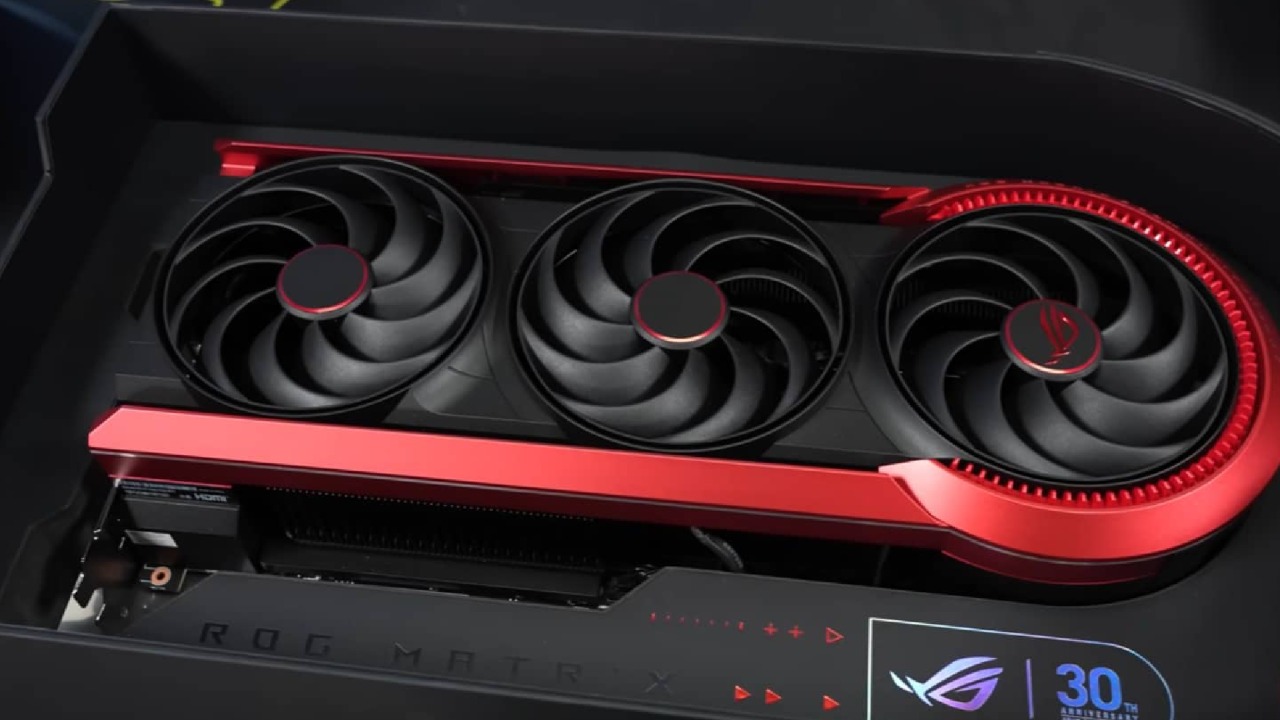
Unboxing and Design
When we open the packaging, the presentation features a design that blends earlier Matrix elements with the aesthetic of the newer Astral lineup. Magnets on the side allow the inner unit to slide out, revealing the card. The design features black and red accents, a unique frame, three front fans, and a fourth rear fan.
Under the card, we find accessories including a GPU stand, a card-style collectible item, and the additional power connector required for the BTF configuration. The adapter attaches to the bottom of the card to supply up to 200W of added power.
The GPU can still be operated with only the 12VHPWR connector, drawing up to 600W, but full capability requires a BTF motherboard. Using only the BTF connector without the 12VHPWR also results in a 600W ceiling.
Asus changed the fan blade design from the Astral, addressing previous concerns about noise. The Matrix uses different blade geometry for all fans, including the rear fan, which was previously shown with a separate design during its Gamescom prototype stage.
The heatsink features open slots at the front, which allow some airflow to escape forward, a design choice not commonly seen in standard air coolers. Although early versions used copper fins, the retail model uses aluminum to reduce weight and cost without significant thermal loss.
The PCB includes multiple monitoring sensors that report temperatures for memory, VRM, and the 12VHPWR area. These readings trend slightly lower than typical IC temperature measurements due to placement.
Installation and First Impressions
In stress testing, power use ranges from 680W to 730W, which is near 90% of the maximum TDP.
Fan speed sits around 1600RPM under full load. Coil whine is present at a low to mid level but is manageable. Per-pin sensing reports current between 5A and 6A, lower than the Astral because power is split between connectors.
Noise Levels and Thermal Behavior
Noise performance improves significantly compared to the Astral. In P mode, with the card drawing around 720W, the noise level sits near 46dB, which is roughly 6dB lower than the Astral despite higher power use. Q mode restricts power to 600W and reduces noise to around 36dB. GPU clocks drop by roughly 150–200 MHz in Q mode, and the fan speed is around 1400 RPM.
Performance Comparison
The card is built with overclocking in mind, and by setting GPU voltage to 100%, boosting the GPU by 160MHz, and maximizing memory clocks, we can improve 3DMark Speedway from 158FPS to about 163FPS.
In games, performance varies. In Star Wars Outlaws, the Matrix averages 98 FPS, slightly behind the RTX Pro 6000, while using 16% more power. In Assassin’s Creed Mirage, the Matrix reaches 150FPS and slightly leads while drawing 18% more power. Compared to the standard RTX 5090 Founders Edition, the Matrix pulls roughly 26% more power for about 10% more performance.
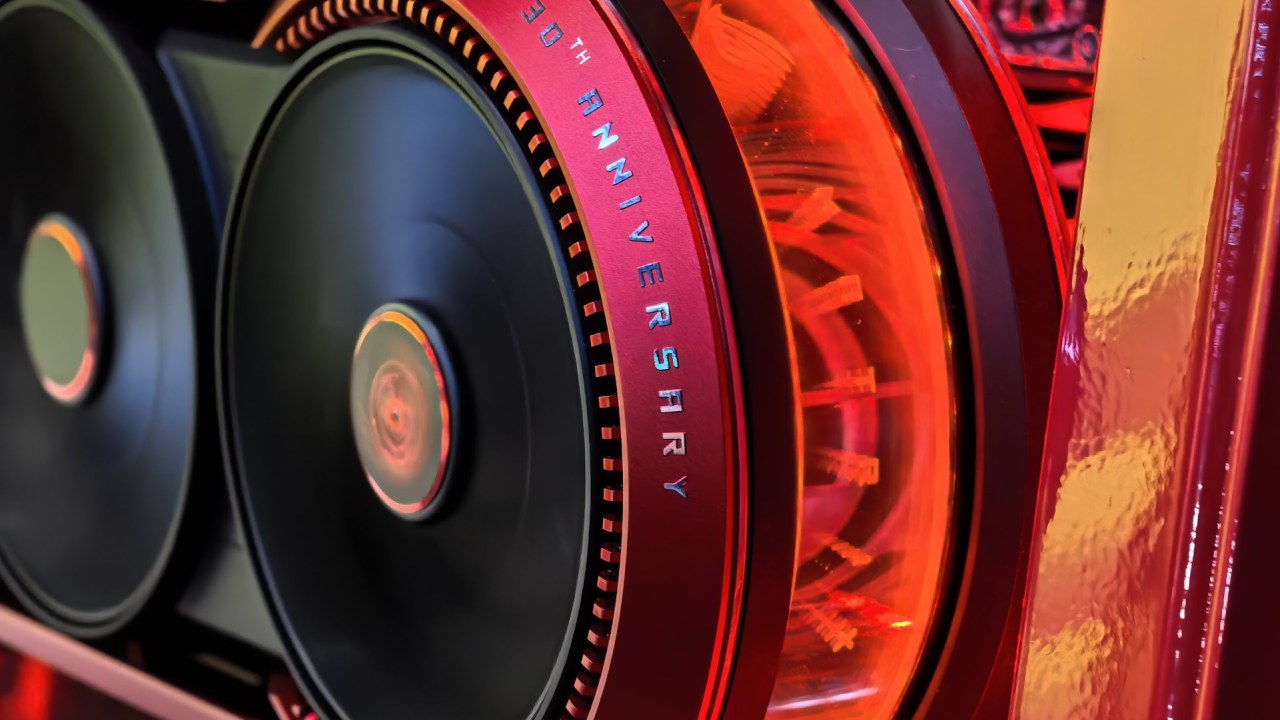
Internal Inspection
Opening the card reveals several changes compared to the prototype. Retail fans use a 9-blade design rather than a 7-blade design. The backplate features thermal pads across memory, VRM, and 12VHPWR components. Removing the cooler requires caution because of multiple thermal pad contact points and the presence of liquid metal.
Asus uses a paste barrier around the GPU rather than the adhesive seal seen on previous Matrix models. Removing the cooler releases noticeable amounts of liquid metal that squeezed toward the edges. Even though thermal data appeared fine, the application pattern shows irregularities, and the sealing approach differs from what many enthusiasts would expect.
We observe unusual imprint patterns suggesting a unique application method. These findings need further investigation and may influence follow-up testing.
Final Thoughts
From an objective perspective, the RTX 5090 Matrix is difficult to recommend given its cost. At over €4,000, it is 60% more expensive than standard RTX 5090 models in stock while delivering around 10% more performance and consuming 30% more power.
From a subjective standpoint, the card appeals strongly to enthusiasts. The design, build, features, and highest-tier performance position it as a collector-level component. Its limited quantity and unique engineering give it a level of exclusivity that may justify the purchase for users who prioritize those aspects.
There is also a missed opportunity in the absence of a themed motherboard to match the Matrix design. Since the card relies on BTF mounting and horizontal orientation, a coordinated board variant would have complemented the product.
We plan to investigate liquid metal applications further and examine whether bridging the power fingers can enable operation without BTF restrictions. More testing is needed to explore these possibilities.
Also, check our other ROG Xbox Ally articles below:
- ROG Xbox Ally X vs. Original Ally: Real-World FPS and Power Efficiency
- Next-Gen Xbox or No Console: Understanding the Impact on Games and Gamers
- Inside the ASUS ROG Xbox Ally: Power, Portability, and PC Gaming Without Limits
- ASUS ROG Xbox Ally Review: Ergonomics and Windows 11 Full-Screen Experience in 2025
- ASUS ROG Xbox Ally X Hands-on: Ryzen Z2 Extreme Power and Full-Screen Windows Experience
- Xbox Magnus: Next Generation Console with AI Power and PC Hybrid Design
- ROG Ally X Gets Xbox-Like Features with Latest Armoury Crate Update
- Future of Xbox: Cloud Gaming, Game Pass, and Hardware Exit Plans
- Xbox Series X vs. Xbox One X: Which Console Is Best for Backward Compatibility in 2025
- Xbox Full Screen Experience on the Lenovo Legion Go
Editor, NoobFeed
Latest Articles
No Data.