
Gaming CPUs in 2026: Are Mainstream CPUs Finally Good Enough for Modern AAA Games?
Modern gaming CPUs deliver strong performance, but rising game complexity continues pushing CPU requirements higher.
Hardware by Masaru Hoshino on Jun 18, 2026
The discussion around gaming CPUs has changed a lot over the past few years as processors have gotten faster and game requirements have become increasingly diverse.
The hardware requirements vary across modern titles; therefore, it is difficult to give gamers a one-size-fits-all suggestion. Today's mainstream processors are more powerful than ever, but the mix of CPU performance, GPU power, frame rate demands, and game optimization remains a moving target.
The Return of the Ryzen 7 5800X3D
First, a quick note about the Ryzen 7 5800X3D. It's back. AMD has managed to relaunch the processor after overcoming packaging challenges. Unfortunately, AMD will be charging $350 for it. So it feels like a last farewell to the AM4 platform.
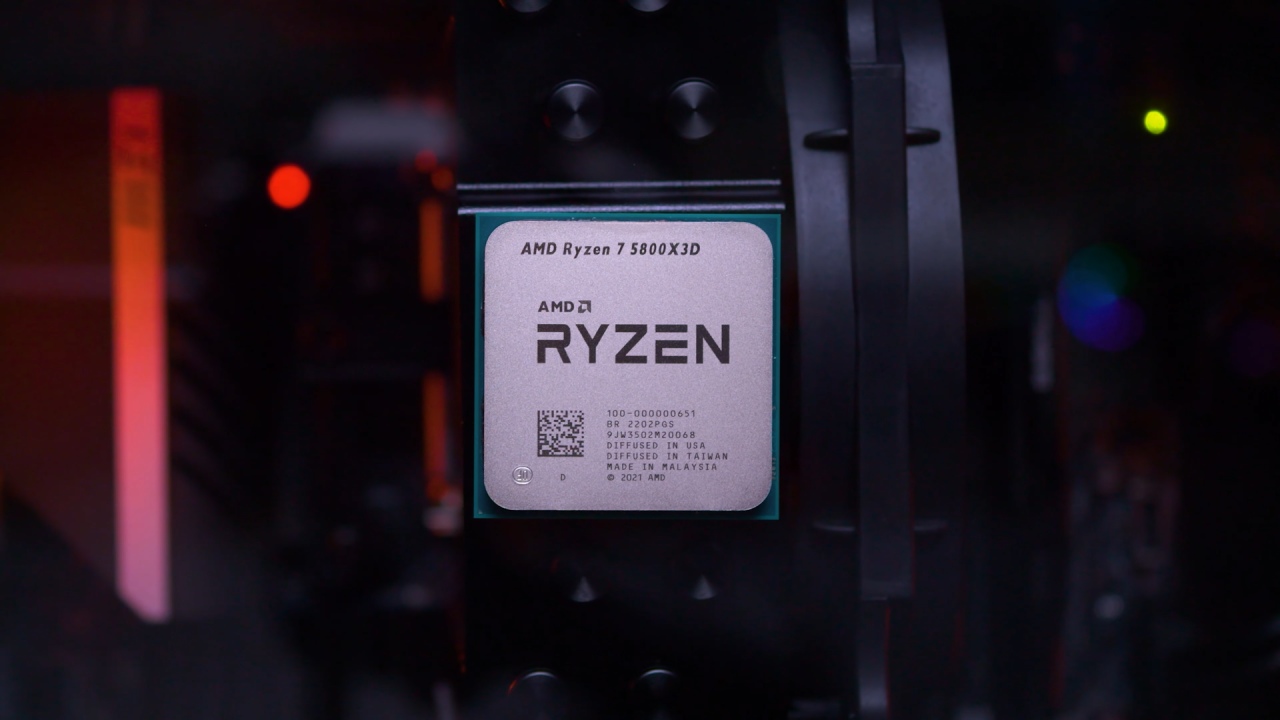
The pricing is shocking as well, since it is far higher than what many consumers paid for the chip a few years ago. But in the meantime, rivals like the Ryzen 7 5700X3D are available for far less money and deliver virtually the same gaming performance.
The Challenge of Defining a "Good Enough" Gaming CPU
The trouble with determining whether a gaming CPU is "good enough" is that every game has a different threshold at which CPU bottlenecks begin. Those bottlenecks are significantly more common than many would believe.
This is demonstrated by recent testing. The Halo campaign preview proved CPU-intensive, though optimization could improve before launch. Another example is 007 First Light, where scenes with large crowds can push a Ryzen 5 5600 below 60 fps. In that scenario, performance can fall short of what a Zen 2 processor is capable of delivering.
Because every game behaves differently, there is no single balance point between CPU and GPU performance. However, one trend is becoming increasingly clear: CPU demands are rising.
Frame Generation and CPU Bottlenecks
One way to mitigate CPU limitations is through frame generation. Interestingly, frame generation tends to provide the greatest frame rate amplification when a system is CPU-limited. But there is a trade-off in latency for this benefit.
That makes it difficult to just state that a certain CPU will be good enough for everyone. Certain conditions can lead even to CPU bottlenecks on very high-end systems. For instance, a path-traced Cyberpunk 2077 at 4K with DLSS Performance Mode on an RTX 5090 can still be CPU bottlenecked. Cases like this illustrate just how complicated modern game performance has gotten.
Expectations Matter as Much as Hardware
Another crucial factor is the range of expectations among gamers regarding performance. Some gamers care more about super-high refresh rates and want games at 360 Hz regardless of visual quality. Some are quite happy with 100 fps, 72 fps, or even 60fps.
For example, some people will be completely happy with a game running at 72 Hz with frame generation pushing the output to 144 Hz. Others may insist on achieving a native 144Hz experience, which requires substantially more powerful CPU hardware.
This means that CPU recommendations cannot be separated from the user's expectations. The same processor may feel excellent to one player and inadequate to another.
Current Recommendations for Most Gamers
If gaming performance is viewed through the lens of console-level experiences, it makes sense to look for hardware that is comfortably above console specifications. Generally, a processor from AMD's Ryzen 7000 series or Intel's 12th Generation Core line can deliver good results in most recent games and provide a good overall experience.
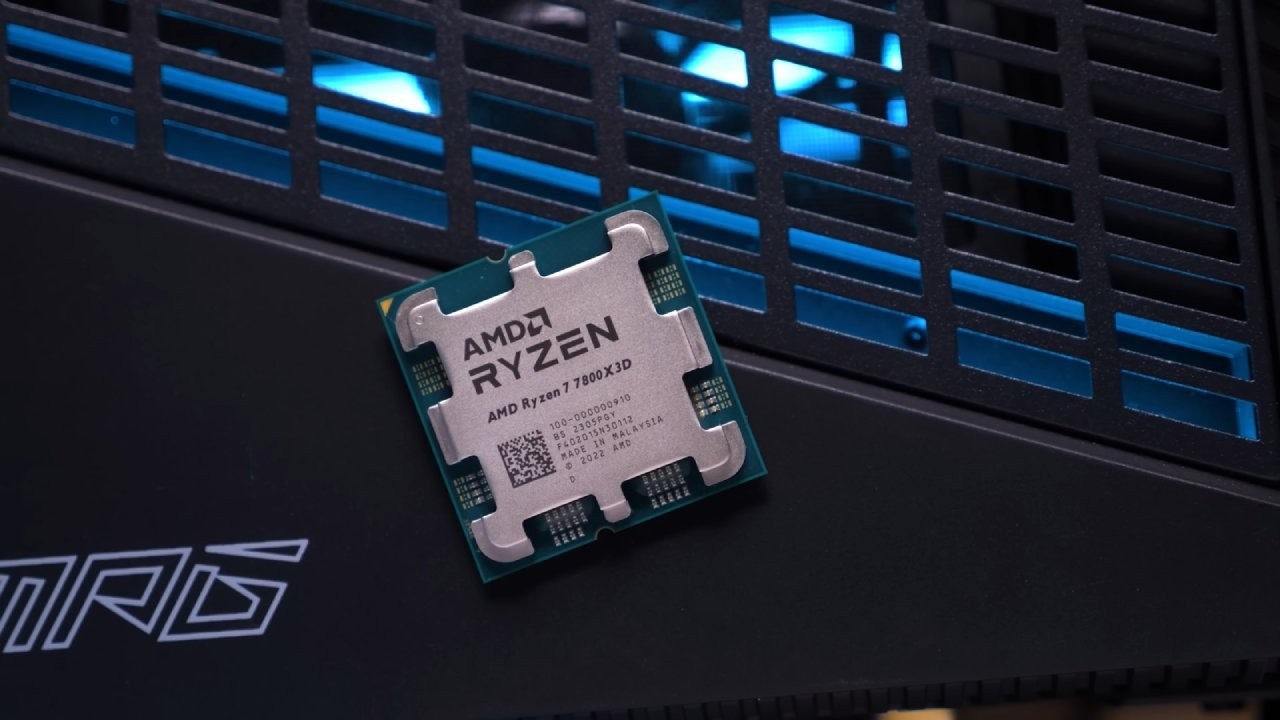
If you're looking for a premium gaming experience, Ryzen 7000X3D and Ryzen 9000X3D processors are still among the best options available.
But even these recommendations have drawbacks. A person whose main game is Oblivion Remastered may have a whole different set of performance difficulties. Some games are quite CPU-intensive, and even the fastest processor cannot meet all the performance requirements.
Are Zen 2 CPUs Starting to Show Their Age?
While processors like the Ryzen 5 5600 may still deliver passable scores in many demanding games, Zen 2-based CPUs are starting to show their age.
Recent titles have shown that CPU limits can be noticeable even at 50 fps. While that level of performance might still be acceptable to many players, it does demonstrate how modern games are gradually increasing CPU requirements.
A Surprisingly Good Era for Gaming CPUs
The general state of gaming CPUs is really fairly positive, even with the ever-increasing demands of modern games. Current PC processors and console hardware alike have reached a point where they can deliver strong experiences for most applications, especially when the target is around 60fps.
Most CPU bottlenecks become significantly more noticeable when trying to reach very high frame rates above 60 fps. Modern CPUs usually perform well enough that gamers seeking classic gaming experiences will not have any serious concerns.
The hardware is much more balanced between the CPU and the GPU than prior versions. While CPUs still matter and bottlenecks can certainly occur, they are not the overwhelming concern they once were for most games.
Looking Back at the Jaguar Era
The progress becomes even more impressive when viewed in historical context. It's amazing, looking back at the previous console generation, how much performance developers could squeeze out of quite tiny Jaguar-based x86 CPU cores. Those processors could still run numerous games at 30 fps, which looks increasingly astounding as modern gaming workloads become more demanding.
As CPU technology continues to advance, the industry appears to be in one of its most balanced times yet. Processors are more competent than ever. The variety of game engines, workloads, and user expectations will keep the question of what is genuinely "good enough" evolving along with the games themselves.
Editor, NoobFeed
Gaming Hardware Updates
No Data.