
Into The Dead: Our Darkest Days Guide | How to Move Your Base (Best Time to Relocate)
A simple, practical guide to relocating your shelter at the right time to unlock new areas, survivors, and supplies.
Game Guide by Faviyan Mustafiz on Dec 22, 2025
Moving your base in Into The Dead: Our Darkest Days is not optional for long. Moving the base to a new location is an important part of progression. It also helps the run move forward when the place you're in stops giving you useful items. The best moves are well thought out, not hasty.
A clever move opens up the landscape, gives you access to new riches, and makes it easier to survive in the long run. This guide tells you when to move, why it matters, and what happens when the base moves.
Why Moving Your Base Matters
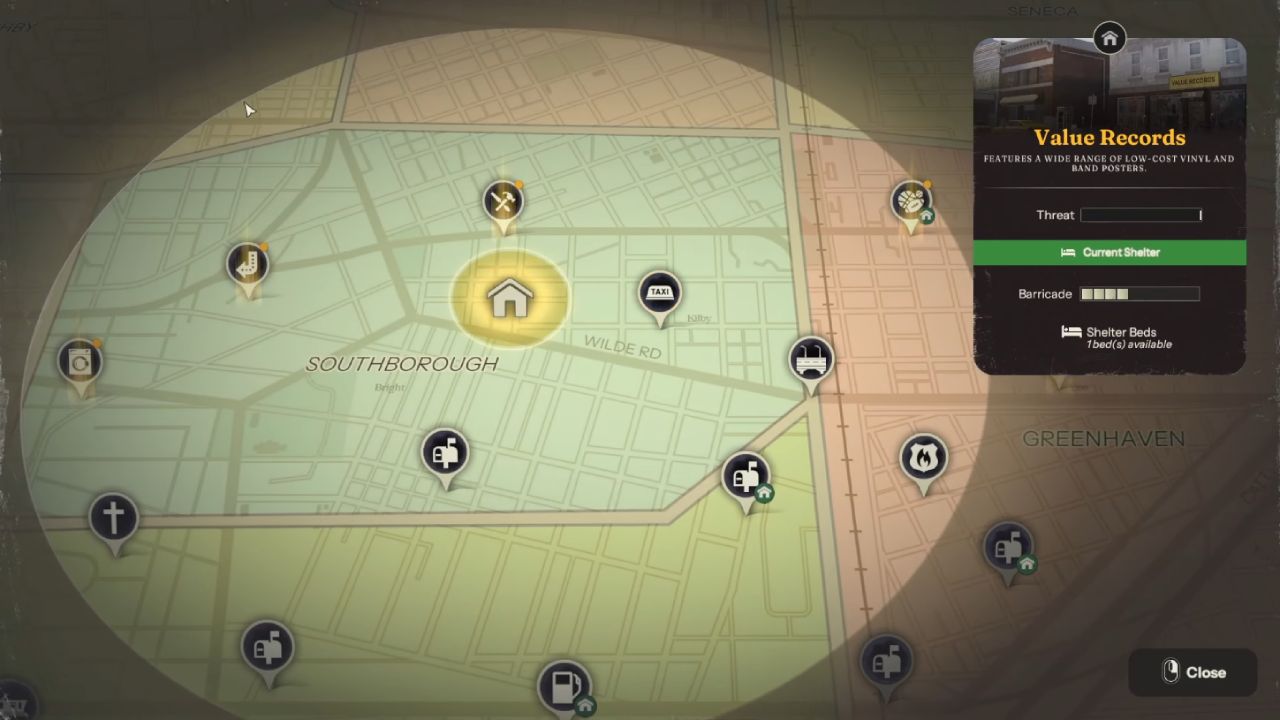
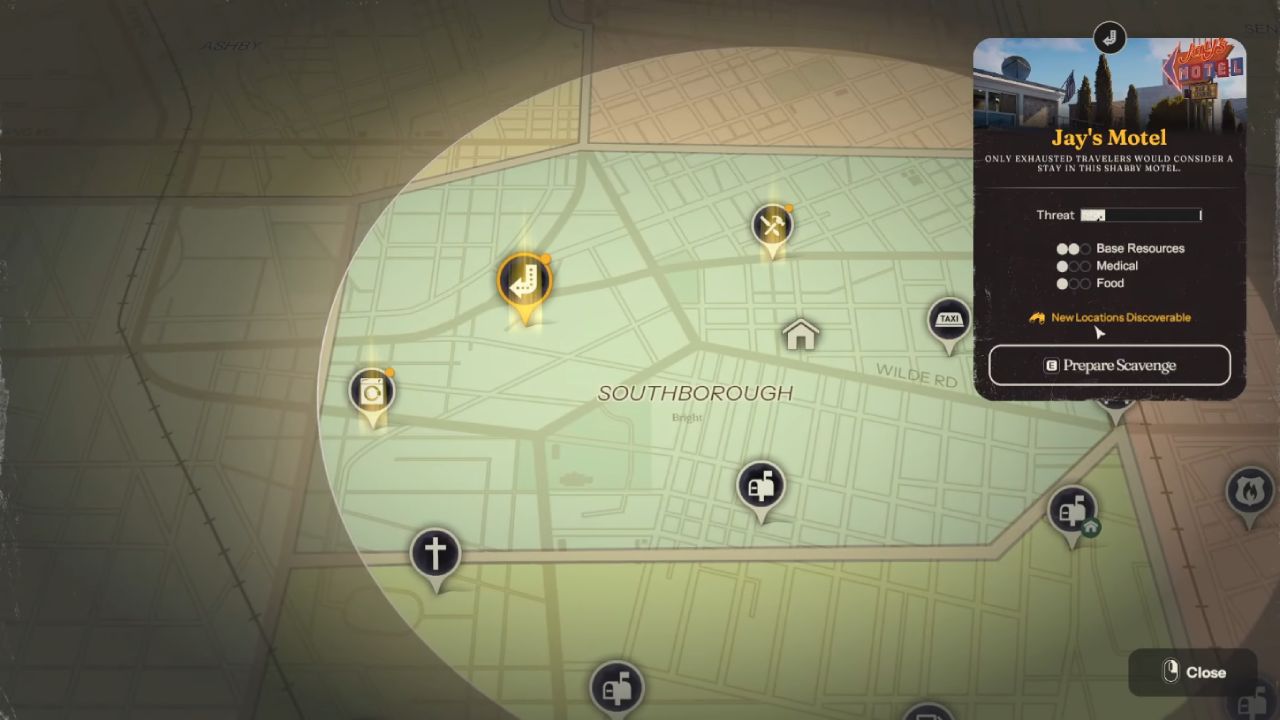
You have to move your base to finish the game. It's also the best way to get to new places. The map doesn't open all the way up right away. You can only visit places that are inside the glowing circle around your base.
Everything outside that circle stays grayed out and cannot be visited yet. If the nearby area starts to feel "done," that is usually not a pacing issue. It is a sign that the base has outlived its location, and the run needs a leap forward.
Relocation also supports the bigger goals. A new region can lead to new Survivors with different abilities, better Weapons, and new Items that are not accessible from the previous radius. Moving also helps with finding clues that support your Escape Plan, which is tied to completing the overall run.
How Base Relocation Works
Moving the base is linked to clearing out places. When a space is cleared, it can be used as a possible stepping stone. This is where "leapfrogging" fits. You can use that house as a base if you clear it of zombies.
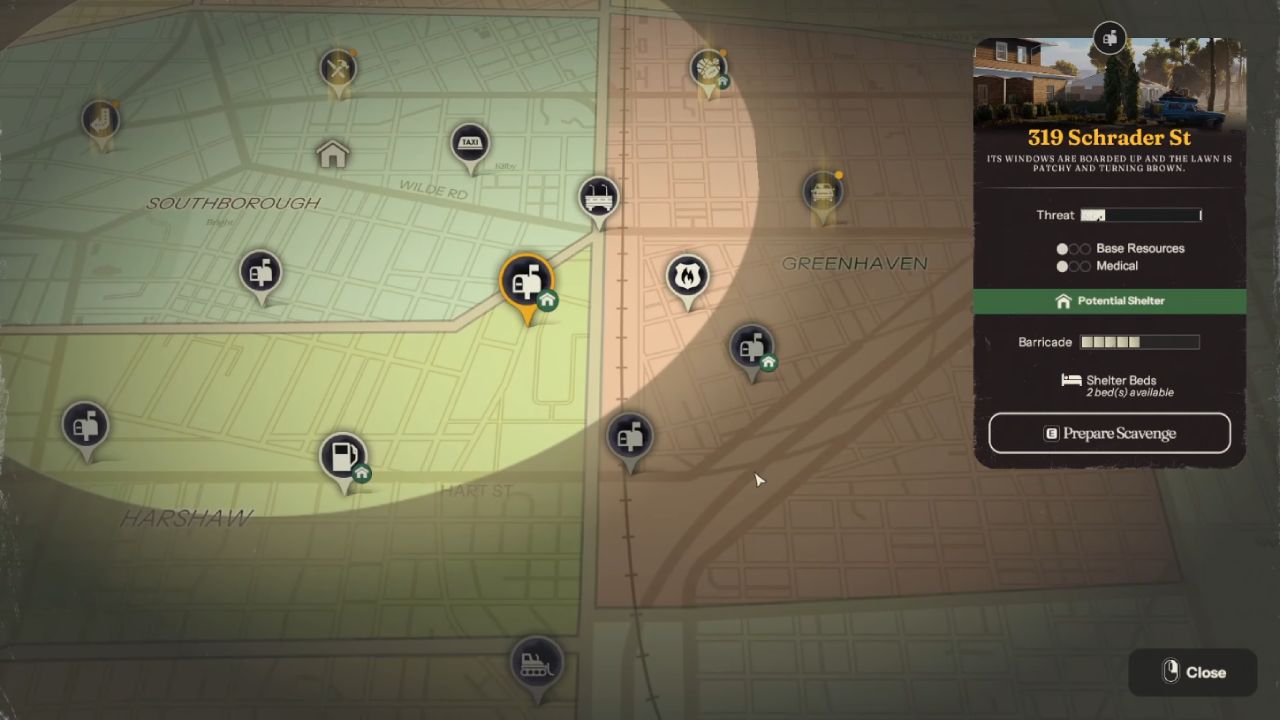
If you want to move into a specific building, it must be cleared first. That simple requirement shapes the best route. To make a strong move, you normally have to clear one or two important buildings that are closer to the boundary of the current circle. Then you have to move to a new location to make the exploration radius bigger.
Moving impacts what you can get to right away. The reachable places change together with the light circle as it moves to the new base position. That's why base movement "opens up" the game every time it happens. A move isn't only about being comfortable. It's all about access.
The Best Time to Move
Once you've looked at the whole area, you should move. When you have visited most of the places you can get to, exploring starts to feel like the same thing over and over. At that point, not moving generally slows down progress more than it helps protect it.
One good rule is to move once you've investigated all the regions inside the current circle, including any new ones that show up during runs. If there are still a lot of places inside the circle that you haven't been to, it's usually better to stay and clear them first.
It also helps to look at what the current base location covers. A base that is in the middle of a circle can "grab" more useful areas.
That kind of setup can be good for gathering supplies, meeting other Survivors, and developing a stable stockpile before moving out again. When the center area is drained, the leapfrog pattern should start over so that fresh areas come into range.
What You Keep When You Move
Relocation is easier than it looks because excess resources transfer automatically. When you move your base, whatever extra resources are in the base you are moving into are collected. You do not need to manually loot everything in that new base first.
Once the base is claimed, those resources are taken and stored in your Inventory automatically. That detail matters because it saves time and reduces risky trips.
It also impacts how a new base should be looked at. Even if the building looks "empty," the move itself can bring in saved value without having to hunt for more goods.
This also helps with keeping the pace. Don't grind every corner before you move. Instead, pay attention to the clear-and-claim beat. Move the object out of the way. Let the extra be handled by the base move. Then, with your new radius, begin hunting and gathering once more.
Extra Reasons to Relocate Beyond Progression
Sometimes, moving is the safer choice even if the region is not completely exhausted. If Barricades are getting worn down night after night, the base can become a liability.
Some nights, the base can be hit by a heavy wave or a kind of "zombie storm" that chews through the Barricade Durability more quickly than imagined.
It may not be clear what caused it, but the result is clear. A base that is easy to attack can cost you time, resources, and safety. When the area is almost finished, and durability is low, moving can be the clean reset that saves the run.
A move can sometimes mean better quality. Some bases have better built-in support. A new base might contain more beds, which makes it easier to manage survival. It could have a Water Collector, which helps keep resources flowing.
If that method works for the run, it might be a better area to build up a Garden. These things can modify the pressure every day. If the current shelter is basic and there is a nearby place with better services, it might be worth transferring sooner.
Leapfrogging to Keep the Run Moving
Leapfrogging is the long-term routine that gives moving a planned feel. You open up new places as you move. Then you look around in those areas, clear the ones that are important, and move again.
Every move restarts the circle of reachable area and uncovers new places that were blocked before. This leads to a steady loop of finding new things and moving forward. If you stay in the same circle for too long, you often get slower gains. Making frequent, smart moves will keep the run growing.
The main idea is that every move makes the game more open. New areas make it more likely that you will find better gear, stronger Survivors, and more hints that have to do with the Escape Plan. If the current circle is almost empty of important targets, it's time to start moving outward again. Clear the next step, take it, and let the new radius do its job.
Also, check our Into the Dead: Our Darkest Days Review and other guides below:
- Into the Dead: Our Darkest Days Beginner's Guide | Gameplay Tips & Tricks
- Into the Dead: Our Darkest Days Guide | Best Early Weapons
- Into the Dead: Our Darkest Days Guide | Relationships & Romance System
- Into the Dead: Our Darkest Days Guide | How to find the Revolver
- Into the Dead: Our Darkest Days Guide | All Survivor Locations
- Into the Dead: Our Darkest Days Guide | Best Loot and Item Priority
- Into the Dead: Our Darkest Days Guide | How to Manage a Massive Survivor Team
- Into the Dead: Our Darkest Days Guide | Best Shelter Upgrades Order
Contributor, NoobFeed
Latest Articles
No Data.