
Micron AI Shift Drives RAM Prices Up as Consumer Memory Supply Shrinks
Memory supply shifts toward AI data centers drive sustained price increases and reduced availability for consumer hardware markets.
Hardware by Nahe Yan on Mar 20, 2026
Micron's memory data center segment had its best year ever, with 257% year-over-year growth. It also has a higher profit margin now, which means the consumer segment is paying more for the RAM data centers leave behind. B2B customers who create memories for consumers will have less supply available, which might be moved to data centers. This predicament is made worse by new knowledge concerning Micron's finances.
According to a new IDC report, the price of finished PCs will go up by 8% in 2026. This is because memory will be moved from PCs to data centers. The price of a computer will go up by at least 8%. For fans who need more memory, the effect is severe. The research also indicates that PC sales will drop by 4.9% to 8.9%.
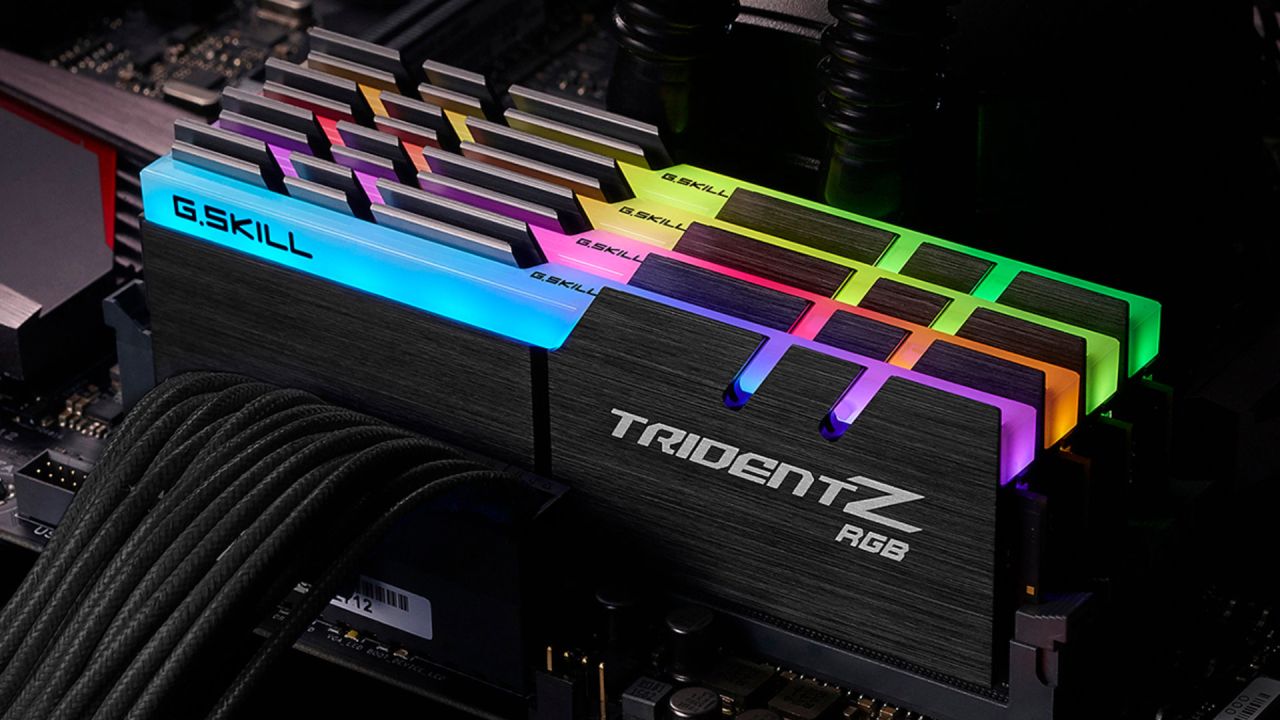
Tom's Hardware reports that Paradox Customs, a PC builder, will start selling laptops without RAM so people who already have memory sticks can use them. The Register, citing the research firm Tech Insights, denied the traditional cyclical pattern that would lead to a price drop in 2026 or 2027. Instead, they said that high memory prices may last longer.
Micron's Promise to Customers
Micron's growth and margins with AI explain its decision to release new Crucial memory on October 21 and then end the brand on December 3. Micron said in a press release on October 21 for DDR5 Pro overclocking 6400CL32 memory, which was only 43 days before the division ended, that it was committed to gamers. It said that the new memory made it more committed to gamers and strengthened Crucial's place in gaming DRAM.
That comment was made roughly a month before the brand stopped making things. The promise lasted for a little over a month. The timing suggests the decision was already known within the company when the statement was made. This shows that messages concerning commitment did not match what was going on within.
Micron started 2025 by releasing new Crucial memory and storage devices. Still, by the end of the year, it had stopped making them and was instead focusing on AI solutions for data centers. The company's market cap grew three times, reaching over $300 billion.
Costs are Going up, and the Market is Changing
Memory prices keep going up, hurting everyone who buys electronics. People who use high-end PCs are significantly affected. Depending on the requirements, a 64GB workstation kit now costs between $800 and $1000, while a 32GB kit costs between $300 and $500.
System integrators say things are improving significantly. CyberPower said that the prices of RAM and SSDs have gone up by 500% and 100%, respectively, from earlier levels. Lenovo is hoarding memory chips, reducing supply and raising prices. Dell said that memory prices have never risen this quickly before and that it plans to raise prices. G.Skill told customers to be careful before buying, as prices are rising due to AI demand.
Scalpers are also making money by reselling RAM kits at big markups. TrendForce says that smartphones and laptops will cost more but have inferior specs. Mid-range smartphones have 12GB to 8GB of RAM, while entry-level phones have 8GB to 4GB. It is projected that notebook shipments will move toward 8GB versions.
Demand is Going Down, and the Industry is Changing
TrendForce thinks that the RAM shortage will lead to fewer console sales. The growth in demand for notebooks could drop from 1.7% to 2.4%, for phones from 0.1% to 2.0%, and for consoles from 3.5% to 4.4%. AI and data center demand taking up all of the supply are what are causing these shifts.
Hardware makers are making more AI products and fewer consumer products. Lower supply combined with continued demand leads to higher prices.
Micron's Finances and AI focus
Micron's financial results show why AI is so important to them. The corporation made $37.4 billion in sales in fiscal year 25, with $11.3 billion coming in the fourth quarter. AI demand drove 49% year-over-year revenue growth. DRAM accounted for 76% of all sales, and NAND accounted for 23%.
Micron has four business units: cloud memory, core data center, mobile and client, and automotive and embedded. The cloud memory unit is all about high-bandwidth memory for data centers and customers with a lot of data.
The need for high-bandwidth memory is linked to the manufacturing of AI GPUs. The cloud memory business segment expanded by 257% year over year, going from around $3.8 billion to $13.5 billion. Core data center sales increased by 45%, but mobile and client sales increased by only 2%.
AI products have larger margins. Cloud memory had an operating margin of 48%, whereas mobile and client memory had an operating margin of 29%. This distinction is what caused the change in attention.
Price Increases in Consumer Memory
The price of DDR5 Pro 32GB6400CL32 memory has risen from $175 at launch to more than $322, with some listings reaching $350. Prices went up by 2.5 times in certain situations, reaching $440.
Micron said that stopping Crucial is in line with its plans to focus on profitable growth areas in memory and storage. The choice came soon after the company released new consumer goods, indicating that it was moving away from consumer-focused strategies.
Supply Problems and a Continuing Shortage
In the first quarter of fiscal year 26, Micron reported $13.6 billion in sales, a 57% increase from the same period last year. It said the current situation is one in which demand for DRAM and NAND exceeds supply across the board.
The company stated it is "more than sold out," meaning demand exceeds available production capacity. Demand levels won't change much even if supply rises a little.
Micron aims to spend an additional $20 billion on capital projects, mostly to expand AI-related output. It expects its finances to continue growing due to demand for AI infrastructure.
Structure of the Industry and Little Competition
SK Hynix, Samsung, and Micron are the three biggest companies in the memory business. They control most of the world's DRAM supply as a group. Some new enterprises are starting to sell products, but they aren't making much of a difference yet.
When there isn't much competition, supply decisions can have a big effect on the market. When companies make less of what people want, prices go up, and choices go down.
Changing the Market and Buyer Strategies
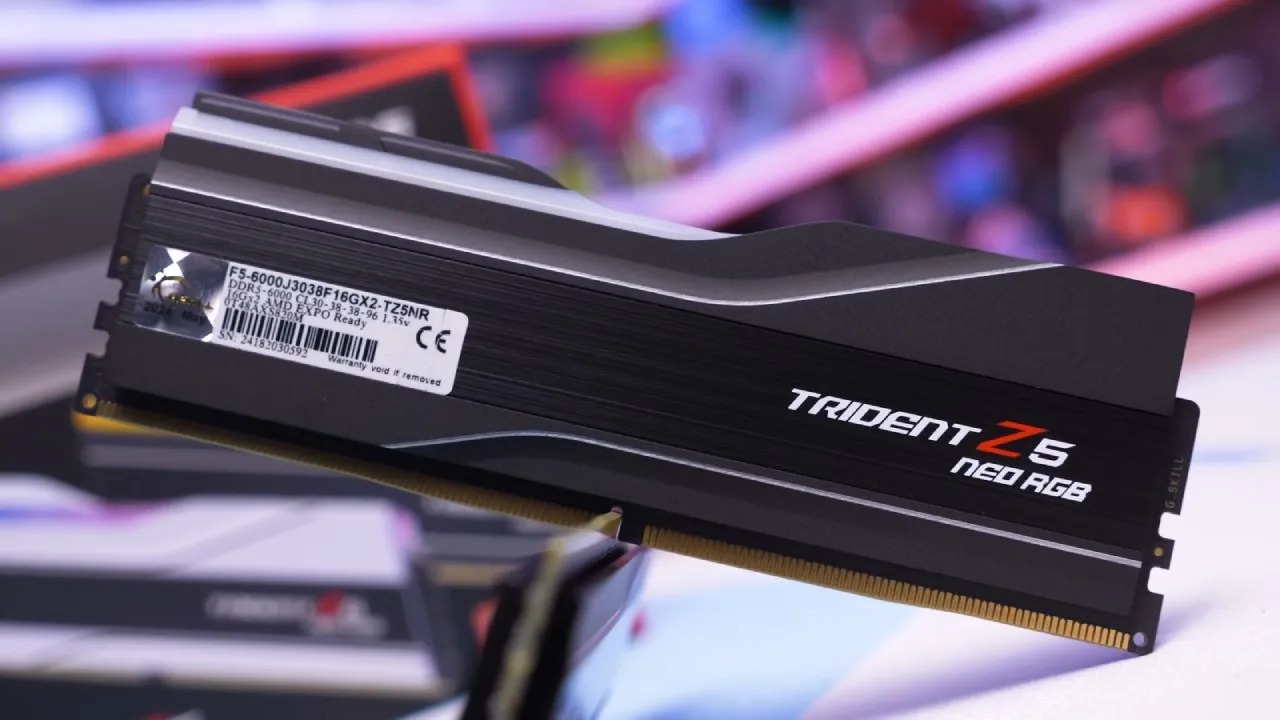
System integrators are changing by developing systems that don't require RAM, letting consumers use the memory they already have. This gives the buyer some freedom, but it also moves part of the assembling process to them.
We also observe that CPU choices may matter. Consider processors with larger caches, as they reduce your reliance on fast memory. This can help compensate for the performance problems that come with slower or lower-capacity memory.
We also see that pre-built systems are moving toward 16GB configurations instead of 32GB ones to keep prices stable. This is part of a broader market shift as memory prices are rising.
Final Thoughts
Memory prices are likely to remain high because demand for AI remains strong and supply growth is limited. Prices may not fall even if consumer demand declines, because supply can be redirected to data centers.
Consumer device prices and features will remain under pressure. As the market changes, you may need to adjust your upgrade plans, reuse parts, or explore other ways to set things up.
Also, check our other hardware articles:
- AMD Ryzen 9 9950X3D Review: Setting The Standard For 2025 Gaming CPU
- Amazon Luna 2025 Review: Is Prime Gaming's Cloud Service Your Go-To For Casual Fun?
- AMD RX 9070 XT Review: AMD's RDNA 4 Champion for 1440p Gaming
- GeForce Now Ultimate: Ditching Your Gaming PC For Cloud RTX 4080 Power?
- NVIDIA GeForce RTX 5080 Review (2025): Still A 4K Gaming Powerhouse?
- Intel Core Ultra 9 285K Review And Performance Breakdown (2025)
- AMD Ryzen 7 9800X3D Review: 3D V-Cache Goes God Mode with Stunning Gaming Performance
- Intel Core Ultra 9 285K vs AMD Ryzen 7 9800X3D: In-Depth Gaming Performance and Benchmark Comparison
- NVIDIA GeForce RTX 5080 Super Performance In Cyberpunk 2077: Path Tracing & DLSS 4.0 Tested
- AMD Radeon RX 9070 XT In Cyberpunk 2077: Ray Tracing & FSR 4.0 Tested
- Intel Arc B580 Review: The $250 GPU Revolutionizing 1440p Gaming
- Intel Arc B570 Vs. B580: Value, Specs, And Real-World Gaming Performance
- RTX 5090 Laptop Vs. M4 Max MacBook Pro: Ultimate Raw Performance Vs. Battery Endurance
- Intel Arc b580 Vs. RTX 4060: Game Performance And Value Analysis
- RTX5090 Hell Is Us Demo 4K Ultra Benchmark: DLSS Vs. Native Performance Guide
- NVIDIA RTX 5070 Review: Mid-Range Muscle or Marketing Hype?
- Nintendo Switch 2 Review: Handheld Performance, Features & Value Breakdown
- RTX 5070 Ti Review: Performance, Thermals & Power Efficiency Tested
- Samsung Odyssey OLED G81SF Review 2025: Ultimate 32-Inch QD-OLED Gaming Monitor
- AMD RX 9070 Performance Review: Thermals, Clocks, and Real-World FPS
- AMD Ryzen 5 7600 Review: Best Budget Gaming CPU of 2025?
- AMD Radeon RX 7800 XT Review: RDNA 3 Power For Midrange Gaming
- Asus ROG RTX 5090 Astral OC Vs. Founders Edition: The 4K Gaming Benchmark
Editor, NoobFeed
Gaming Hardware Updates
No Data.