
Play Solana PSG1: Everything to Know About Solana’s First Gaming Console
Other by Ayaka Naomi on Sep 23, 2025
Handheld gaming is always evolving. Each new generation is judged by how well it plays and whether the features justify the price. Past attempts to mix gaming hardware with blockchain struggled to win players over.
Play Solana is now stepping in with the PSG1, a handheld that combines modern gaming performance with a built-in Solana wallet. It will ship on October 6 with a launch price of $329.
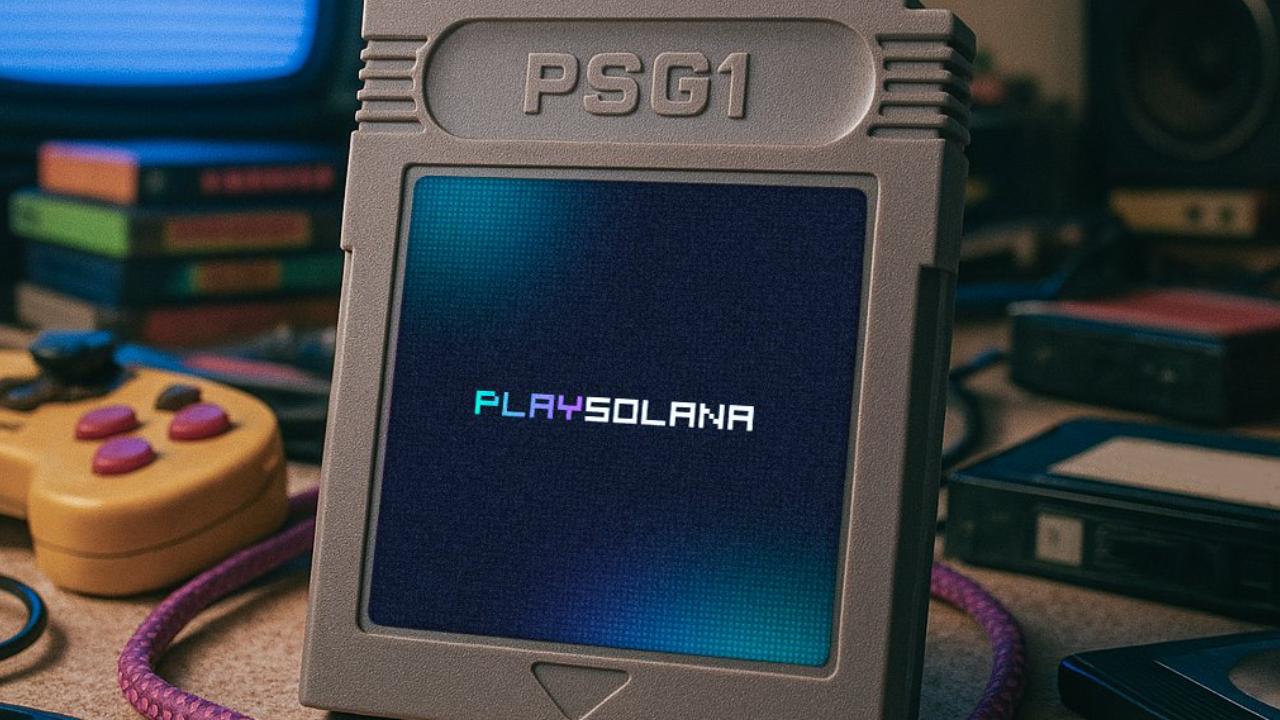
What Play Solana Wants PSG1 to be
The ambition behind the PSG1 is clear. It aims to create a console that feels like a normal handheld while letting players manage Solana tokens and NFTs without outside apps. It is presented as a distribution hub for Solana games and applications, giving developers a platform where digital assets can be part of the play loop rather than an afterthought.
This direction aims to fix what past devices missed. If the handheld cannot stand on its own as a gaming machine, extra features are wasted. Play Solana has emphasized that the PSG1 should be fun first and that the crypto tools should blend in naturally rather than complicate the experience.
The company has described the console as a bridge between traditional gaming and blockchain. This means that while the focus remains on entertainment, it also aims to normalize Web3 functions for players who may never have touched a crypto wallet.
If the PSG1 strikes the same balance of enjoyment and blockchain utility, it could become a key gateway not only for gaming but for the broader world of Web3 entertainment, helping digital assets feel like a natural part of everyday play.
Hardware Design and Security
The PSG1 features a five-inch OLED screen with a 1280 by 1080 resolution, powered by an octa-core Rockchip processor, 8 GB of memory, and 128 GB of storage. It supports WiFi 6.0 and Bluetooth 5.4, and a fingerprint sensor on the back adds an extra layer of security for both gaming and wallet access. The console pairs a retro look with modern specs, built for comfort and everyday use rather than feeling like a niche experiment.
Security is a big part of the pitch. Since the device can hold and move real digital assets, players need to feel protected. The fingerprint scanner and built-in wallet make the process feel straightforward, making asset management as simple and familiar as saving progress in a game.
Integrated Solana Wallet and Why It Matters
The integrated wallet is what sets the PSG1 apart. Players can store tokens and NFTs, send them, and use them across different games directly on the device, making it a pioneer for Web3 gaming handhelds. Players can sign transactions without needing a phone or computer.
This setup also gives developers space to design games where digital assets matter to progression and rewards. For players who avoided Web3 because of complex setups, the PSG1 offers a simpler way to get involved. The result could be new game genres where ownership and creativity matter as much as winning or scoring points.
Embedding the wallet in the handheld also reduces the learning curve. Instead of teaching players how to set up an external wallet or move assets across chains, the console itself becomes the single environment where play and ownership meet. If the user experience feels smooth, it may encourage players who have never considered buying or holding tokens to experiment without fear of getting lost.
What You Can Play at Launch and Beyond
Play Solana is positioning the PSG1 as a hub for Web3 games and decentralized apps, so the first wave of titles will focus on blockchain experiences. At the same time, the company has promoted the idea that the handheld can run classic ROMs from systems like PSP, Dreamcast, PlayStation 2, and GameCube. That mix could appeal to both players interested in Solana-based games and retro fans looking for one portable machine for older favorites.
This dual role could set the PSG1 apart. Many retro handhelds focus only on nostalgia, while the PSG1 adds blockchain features that link gaming to asset ownership. If the console delivers reliable emulation alongside new Web3 titles, it could stand out in a crowded market without relying on blockchain adoption alone.
Special Editions and Partnerships
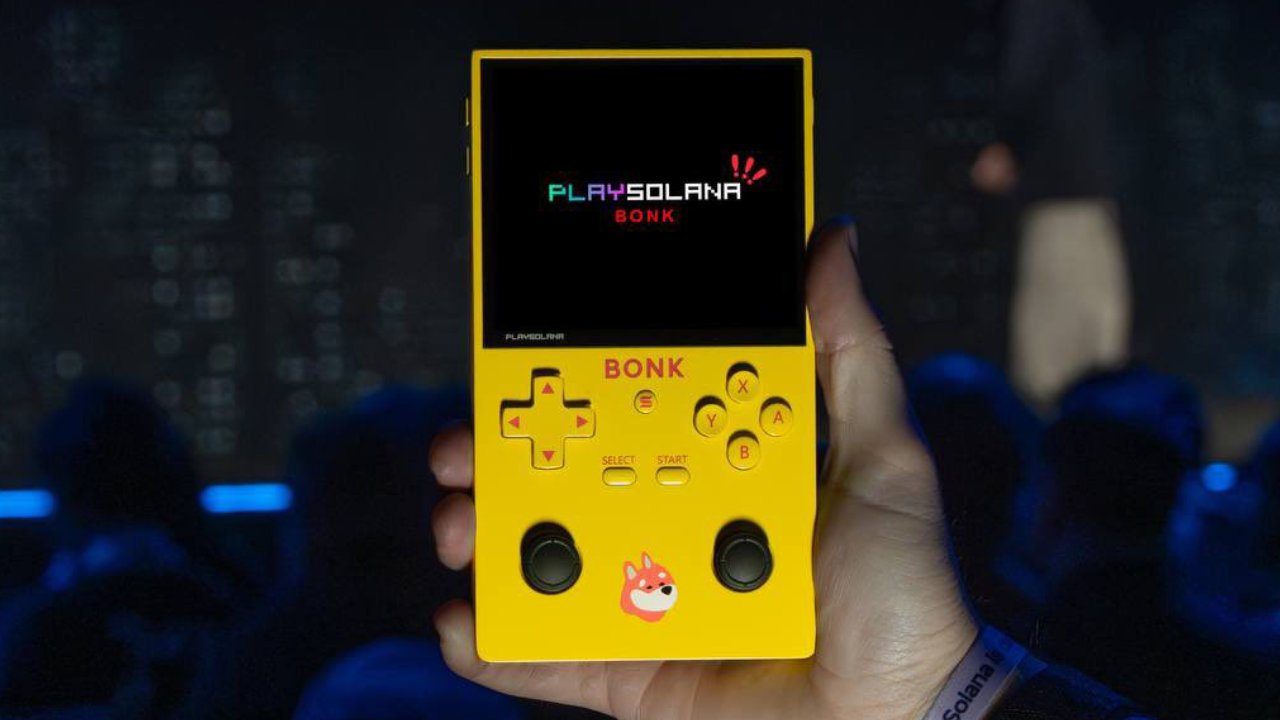
Play Solana has already lined up a special edition partnership. A collaboration with Pudgy Penguins will produce a $349 variant that includes unique styling and themed content. Each unit sold will also trigger a PENGU buy-and-burn, linking the hardware to the Solana community around Pudgy Penguins.
These partnerships show the company's intent to create collector editions and attract communities already active in Web3. They also highlight a strategy to generate early enthusiasm while the broader game library develops.
Exclusive editions are a familiar gaming tactic. Limited runs give fans a reason to buy early and create a sense of identity around the hardware. By tying these editions to token burns, Play Solana has added an extra layer that speaks directly to the Web3 crowd. This could strengthen loyalty while also drawing attention from outside the immediate community.
How it Fits in the Web3 Hardware Push
The PSG1 is not the first physical product from the Solana ecosystem. Previous efforts included phones with secure vaults and Solana-focused app layers. Those devices proved Solana can ship real hardware, but also showed how hard it is to sustain interest without a strong content lineup.
The handheld benefits from those earlier lessons. It draws on supply chain knowledge and design experience, but it still faces the central hurdle of proving it can keep players coming back. The integrated wallet and biometric security help, but the games will remain the deciding factor.
The wider Web3 industry has been searching for hardware that feels natural. Phones were one attempt, and now handhelds are the next. The PSG1 could be seen as an experiment in how far blockchain can blend into normal consumer electronics. If it succeeds, other networks may follow with their own consoles or accessories.
Pricing, Availability, and What to Watch
The PSG1 is scheduled to ship on October 6, with a standard version at $329 and a Pudgy Penguins edition at $349. Early access came through an NFT collection, highlighting how closely the launch ties to Web3 strategies. The specs show a mix of retro charm and modern features, but the launch library will be the real test. If both emulation and Solana titles deliver, the PSG1 could build a steady audience.
Long-term support will be key. Many handhelds start strong but fade without updates and new releases. If Play Solana backs the console with developer partnerships and special editions, the PSG1 could grow into a platform rather than a novelty. The pricing makes it accessible to casual players, but its future depends on whether it remains worth using months after launch.
Conclusion
The PSG1 tests whether blockchain integration can finally feel natural in a handheld. With solid hardware, a built-in Solana wallet, and attention to both retro and new titles, it offers more than earlier attempts. Success will depend on how many quality games arrive and whether the experience feels effortless. If Play Solana delivers both, the console may become the first blockchain handheld players keep using long after launch.
Moderator, NoobFeed
Latest Articles
No Data.