
The Psychology of Virtual Worth and Why Players Invest Emotionally and Economically in Virtual Worlds
Sponsored by Esha Kapoor on Oct 25, 2025
Virtual worlds are no longer entertainment; they are emotional and economic ecosystems. Players worldwide assign tangible meaning to intangible assets, blurring the line between play and ownership.
Gaming has evolved significantly from the days of leaderboards and high-fives. Today, players develop genuine emotional and financial ties to in-game items they collect or display. In such vast virtual worlds, ownership takes on an emotional dimension, shaping identity as much as success.
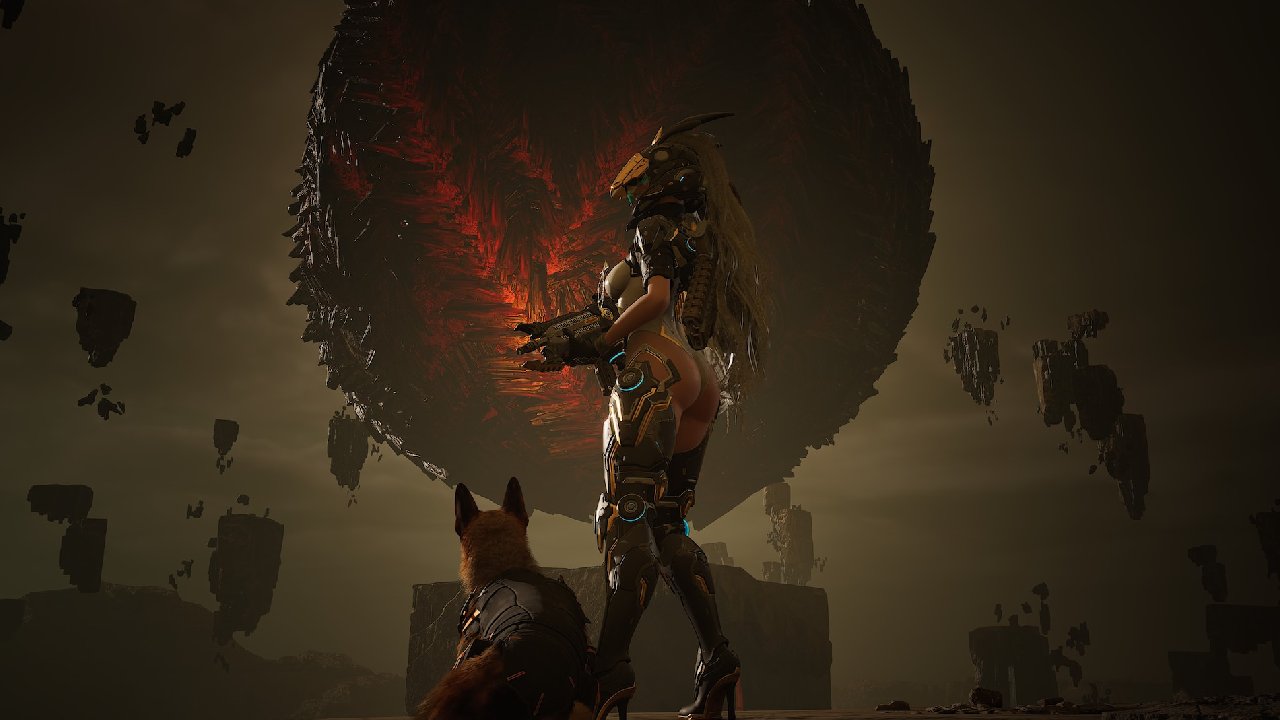
As gamers come to understand how virtual economies reflect global economies, they are now framing perceptions of value and stability in gameplay. The link between real and virtual value shows that investing in games is as much about meaning as money, weaving together culture, creativity, and technology into a new form of self-expression that transcends borders and generations.
Comprehending the Emotional Appeal of Virtual Assets
Every gamer relishes that feeling of unveiling something scarce: a skin, weapon, or mount that uniquely belongs to them. This accesses an emotional center analogous to real-life ownership. The pleasure of possession lies not in its physical form but in what it represents, such as dedication, competence, or recognition.
This is an example of digital self-extension: the idea that identity can live in digital objects. Collecting or customizing avatars lets players express creativity, belonging, and personality, and as a result, virtual items become cultural artifacts that inject cultural depth and authenticity into virtual realms. This transforms an otherwise simple interface into a product of human individuality.
When Identity Confronts Rarity in Online Games
Scarcity drives motivation and purpose. Game makers create rare items to activate reward systems, causing players to feel a euphoric high for having something rarer than others. Such rare possessions often serve as signs of identity, symbols of perseverance, mastery, and distinction.
Rarity also forges community. Collectors swap, discuss, and celebrate milestones with one another, creating small economies within larger, international digital ecosystems. These communal pursuits transform solitary gameplay into a social experience that unites individuals across cultures and territories.
The Marketplace Effect
Player economies have turned simple gaming into a living, thriving economy. Games such as Fortnite and Counter-Strike 2 let users buy, sell, and flaunt items with real-world value. Players learn value, timing, and negotiation by playing, receiving early lessons in online commerce.
This intervention adds tension and creativity. It lets players make decisions that shape their game, blending strategy with self-expression. Competition for rarity often drives innovation, keeping games lively as they stay socially connected, while adding a sense of real-world consequences to in-game actions.
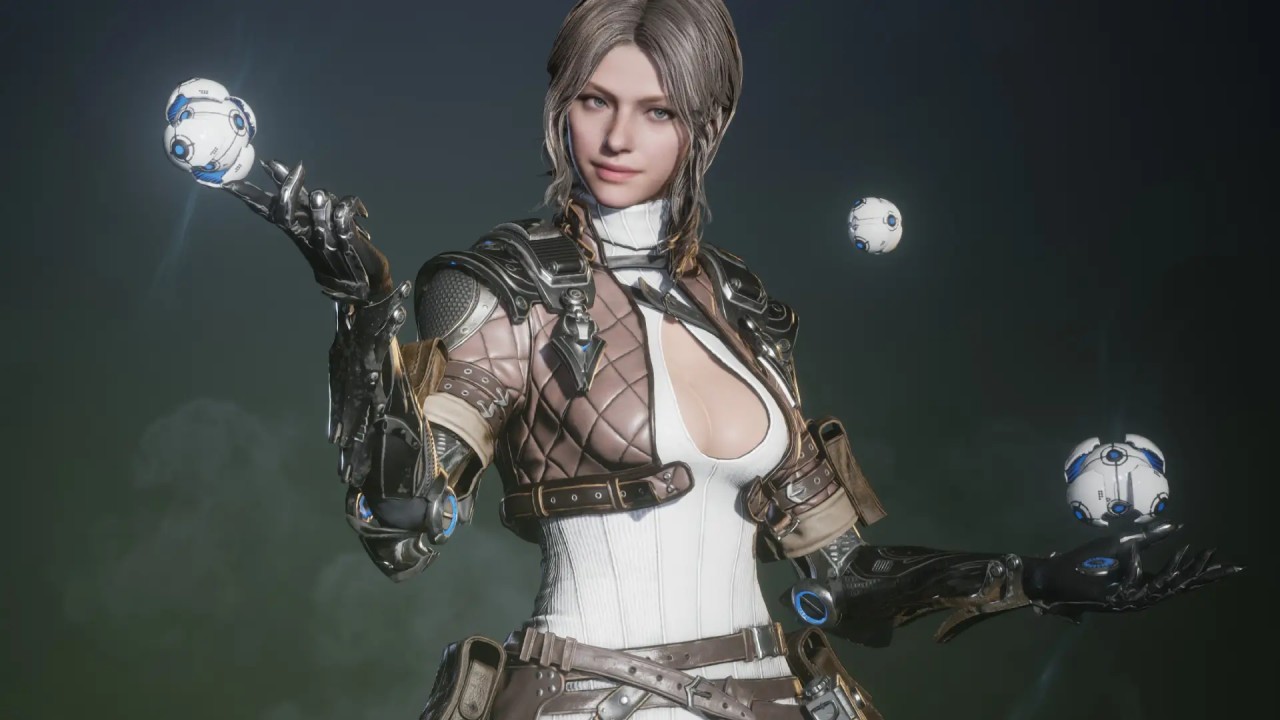
The Role of Status and Self-Expression in Virtual Space
Status in-game was evident in appearance and accomplishment. Customization lets players form an identity, and external acknowledgment affirms effort and creativity. These personal touches make online spaces feel authentic and socially rich.
For its developers, visual identity drives design invention. With each new cosmetic system, a new dimension of individuality is added, so players can continue to evolve the culture. What results is a world of games that's no longer competitive alone, but about narrative, creativity, and belonging.
Virtual Ownership for a Future
As digital life grows, the concept of ownership has deepened. Skins, accomplishments, and collectibles embody memories and meaning, building individual histories in virtual formats. For most players, they represent work and creativity more than they do any tangible prize.
Future generations might not distinguish between physical objects and virtual items. A unique virtual sword or custom skin might carry as much nostalgia as a childhood trinket. Ownership, in this sense, becomes emotional rather than material, proof of belonging in worlds that are both imagined and deeply human, bridging entertainment, identity and innovation in remarkable ways.
The psychology of digital value shows that gameplay is as much about connection as competition, and virtual economies, collectibles, and currencies show how people find identity and meaning through gaming. Whether through rarity or creativity, players prove that ownership in the virtual world can be just as personal and powerful as ownership in real life.
Contributor, NoobFeed
Latest Articles
No Data.