
Resource Management Mechanics Highlight Early Autumn Tactical RPG Releases
Other by Xiao Mei on Sep 16, 2026
The debut titles in the tactical RPG genre in September and October clearly show developers shifting their emphasis from simple turn-based battles to a greater focus on squad logistics. Looking at the most recent releases and Steam demos, I see that victory on the combat grid is achieved well before units take their first turn on the isometric map.
The designers require players to balance ammunition, mercenary fatigue, ration distribution, and armor deterioration throughout the trips. Tactics that depend entirely on position can no longer stand alone and have become a financial calculation for every shot. In the analysis that follows, we will examine why strict supply accounting has become the main driver of progress, how resource scarcity affects tactical flexibility, and which games use these mechanics most effectively.

Squad Logistics as the Foundation of Combat Survival
Manually managing medical supplies, ammunition, and stamina points makes a big difference in tactical situations. Although players in traditional turn-based combat usually use cooldown-gated abilities without a second thought, the early autumn updates heavily punish careless play.
If a sniper uses up all the rounds in his armor-piercing magazine on minor targets in the initial corridor, the squad will have to face the dungeon boss with just their bare fists and rusty knives. Each burst of automatic fire has a real opportunity cost that carries through the rest of the mission.
In titles such as Urban Strife or Shardpunk 2, the severe lack of bullets and bandages forces players to plan their inventory one gram at a time before each mission. Because of the weight limits, the screen you use to prepare for a mission becomes a tough logistical problem, and taking an extra medkit means leaving behind important smoke grenades.
In recent articles by industry critics and in independent video game reviews on various gaming websites, I often see this shift in tension—from active combat to pre-mission preparation—highlighted. A defensive perimeter tends to break down not because of poor shooting accuracy, but because there is no clean drinking water or because the shotgun, jammed and overused, fails during the wave.
The mix of field tactics and logistics prevents repetitive playstyles that rely on a single established formula over a campaign. To survive, you must be willing to give up some non-essential loot to get a fuel canister or a few extra fragmentation grenades.
The key ability is to turn greed into discipline, since routinely loading up your backpacks with sellable scrap generally results in your squad being overloaded and wiped out two tiles away from the extraction point; achieving a clean run seems as if it's defying the odds and gives a much greater reward for conserving resources than for pushing forward recklessly.
Combatant Exhaustion and Persistent Fatigue Mechanics
Another important tool game designers use is the accumulation of stress and injuries that last long after fighting has ceased. Taking their cues from Battle Brothers and Darkest Dungeon, this autumn's new releases require careful monitoring of the squad's biometrics.
A single stray shot of buckshot causes a serious injury that needs a surgical kit and three days of lying in camp, thereby removing your main unit from frontline action.
The need for roster rotation has shifted from a special preference to a fundamental requirement. As a result, you have to finance lesser-ranked recruits, paying them daily wages and giving them equipment within your budget while the veterans are recovering from broken bones and psychological trauma.
In my opinion, this manpower management removes any possibility of dominating a campaign with a single over-leveled four-member core; just as important as clearing hostile sectors becomes managing payroll and infirmary beds.
The continuous shortage of healthy veterans forces you to send in young recruits with low morale into high-threat situations. Under fire, an inexperienced recruit will easily drop a heavy weapon when outnumbered, disrupting the squad's cohesion. A commander must continually weigh the risk of losing an elite operative against sending a frightened rookie into danger, all while using up the ever-decreasing stock of medical supplies.
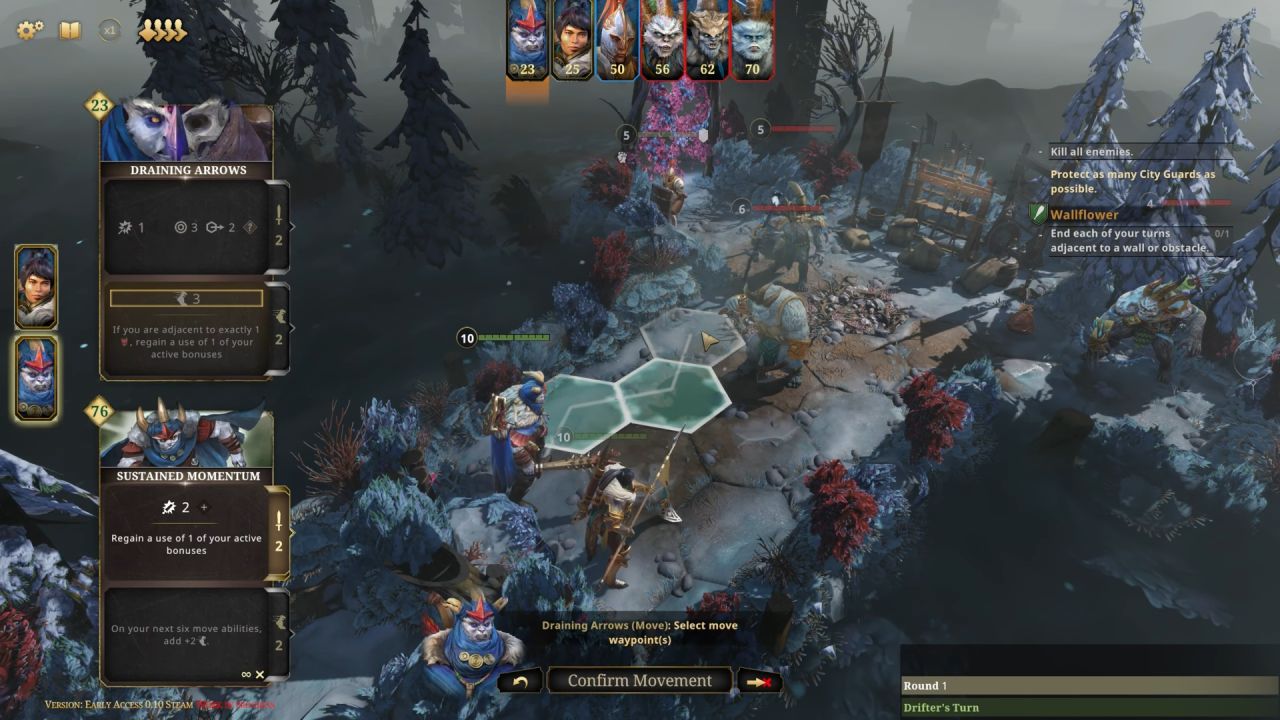
Gear Degradation and Field Maintenance Pressure
In addition to looking after health pools and ammunition boxes, the new updates include severe penalties for equipment deterioration. During an operation, suppressive fire, close-quarters slugfests, and shrapnel attacks gradually wear away the ballistic plates and mechanical weapon receivers.
You will certainly experience serious jamming problems when firing critical overwatch shots if you start a firefight with poorly maintained carbines, placing your vanguard straight into the enemy's kill zone.
Since the squad's spare parts are used up on field repairs, they have to turn salvaged scrap into temporary battlefield durability. Players often have to make hard choices: they can take apart rare weapon attachments to repair the cracked ceramic body armor, or risk losing their operative's chance of survival by taking the exotic components back to the base workshops.
When the title stresses the importance of survival, the tactical situation changes right away at the moment the armor fails; after the plating has shattered under fire, standard handgun rounds pass straight through the vital organs, and reliable cover holders end up being casualties during the same initiative phase.
From my point of view, if you consider your equipment an operational asset that depreciates rather than something permanent, this adds a more exciting wear-and-tear element to every raid. Every time you use your weapons, you have to decide how much durability you lose from your high-tier firearms and how much contract payment you will get when the mission is finished.
If repairing rifle barrels or obtaining new, perfect optics costs more than the mission bounty, high-end equipment shifts from a simple remedy to a high-risk investment that demands accurate tactical skill.
The Economic Cost of Every Grid Action
Because you tie your supplies to active combat decisions, each attack you carry out has an immediate operational cost; attacks with a rocket launcher or an artillery barrage no longer depend merely on abstract Action Points, since they instead withdraw real credits directly from your faction's main funds.
Must a player constantly weigh one mental dilemma: is the effort of providing cover with two well-established raiders worth three days' worth of squad rations, or is it better to risk a flanking move with cheap melee weapons?
In cases such as Mars Tactics, this formula reaches its utmost extent since requiring the base factories to produce individual rounds demands rare minerals and a dedicated number of labor hours.
Suppression fire against fortifications, with a 20% chance to hit, amounts to fiscal negligence and seriously damages the insurgency's financial position. Skirmishes become highly surgical, making low-cost knife attacks, blunt stun blows, and small-caliber sidearm shots the primary methods of combat.
Based on my experience, setting a direct financial limit does indeed give tactical decisions real significance; for whenever an engagement fails and results in the PMC going bankrupt along with starvation mutinies rather than simply allowing a quick save-load operation, each move made across the grid is carefully considered on a per-tile basis. The economy stops being a passive background element and becomes an active opponent, gradually tightening its hold on your detachment.
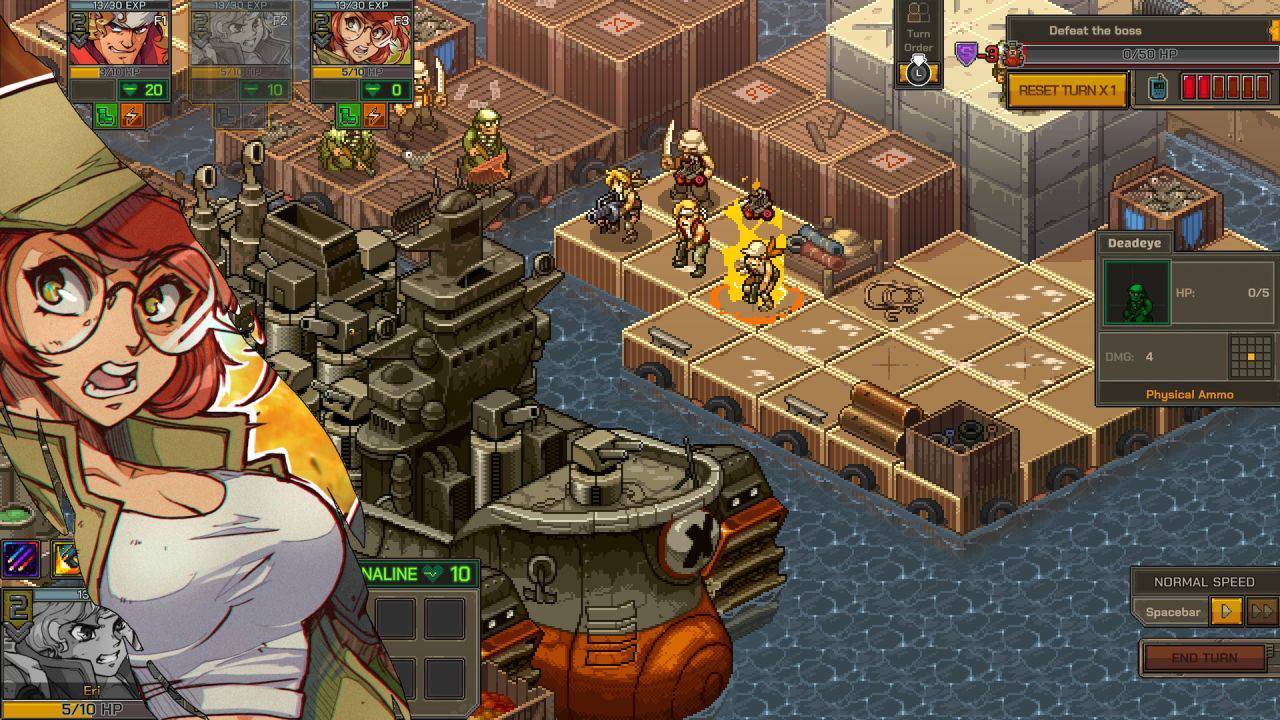
Final Thoughts
When tactical RPGs first came out in the autumn, they set a high standard, with the game's pace determined by cold supply calculations, not stat improvements. Winning is no longer the result of a lucky number of virtual hit dice; it comes from careful supply chain management.
This mix of tough logistics and grid-based combat clearly sets the direction for hardcore tactical games in the coming years, and long-term success will finally go to those who know when to quit, pulling back empty-handed to save their squad's lives and that last crate of emergency rations.
Moderator, NoobFeed
Latest Articles
No Data.