
Shadows vs. Yōtei—Two Samurai Epics, One Surprisingly Complicated Verdict
After hundreds of hours across both games, the choice between them isn't as simple as "Yōtei is better."
Opinion by Mahi Araf on Oct 19, 2025
After spending hours upon hours in Assassin's Creed Shadows and Ghost of Yōtei, one question keeps coming up: which game is actually better? Ghost of Yōtei and Shadows both deliver epic samurai experiences, yet they take very different approaches.
Shadows emphasizes freedom and constant RPG-style progression, while Yōtei gives you a story-driven open world full of memorable encounters. People often claim Yōtei is superior in nearly every category, but that oversimplifies the situation. Deciding which game to play isn't straightforward, and the choice ultimately depends on what type of gamer you are.
.jpg)
Ubisoft continues to struggle to craft a real sense of mystery in its open worlds. Assassin's Creed Shadows hides the precise locations of objectives, but even when you stumble upon them, you quickly realize they're just one of a small set of recycled activities. Ghost of Yōtei handles this differently. Even when you repeat something like a bamboo-cutting challenge, there's usually a small twist that keeps you hooked.
The difference is also clear in how each game treats Ronin enemies. In Shadows, Ronin simply roam and attack on sight. In Yōtei, each encounter is carefully designed with unique dialogue that can even shift as your bounty rises. Sometimes, you might find them integrated into other activities. For example, while picking up a bounty, you could encounter masterless samurai pursuing the same target. They might cooperate with you initially, only to turn against you later.
The contrast extends to bounties and target encounters.
Every target in Yōtei has a unique personality, whether through a brief story or an unusual encounter, making each hunt stick with you. Shadows, on the other hand, offers long lists of targets with basic profiles, but they mostly boil down to standard NPCs waiting to be eliminated.
Hunting them feels repetitive, with only occasional exceptions—like when you can lure multiple targets into one spot, or the rare ambush during meditation mini-games. These moments stand out, but in a game with nearly 100 hours of content, they remain infrequent.
Combat also highlights personal preference. Yōtei delivers more satisfying weapon impacts and includes a wider range of enemy types, which is always welcome. However, its combat relies heavily on a rock-paper-scissors system where using the wrong weapon can put you at a disadvantage.
An upgraded Odachi can mitigate this somewhat, but it's still more restrictive than Shadows, where you can freely mix-and-match weapons against any enemy. Both games include bonuses that change how you play, but Yōtei's structure is more limited.
Each armor set in Ghost of Yōtei is designed for a certain kind of playing (melee, ranged, or stealth), yet most players don't adhere to just one. A lot of bonuses are also situational. Blocking bullets is mainly useful in a limited area with certain foes, and even so, there are usually better perks to select from.
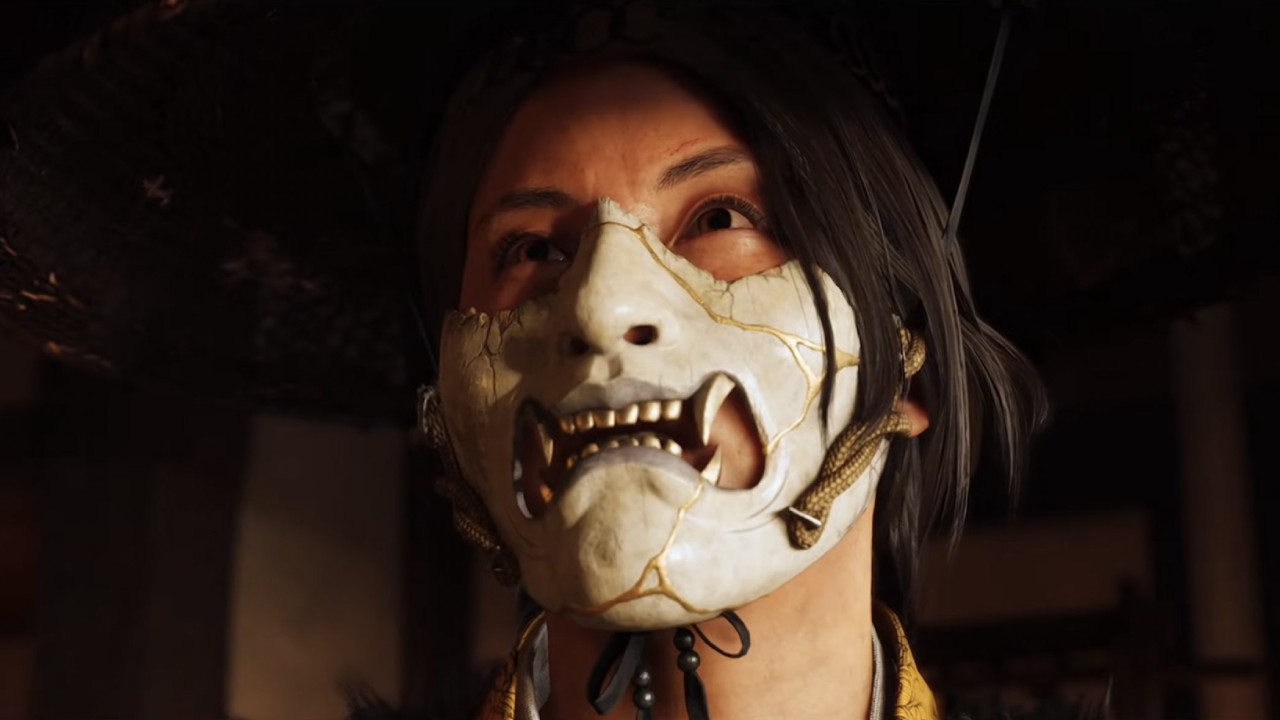
Shadows, on the other hand, lets you blend bonuses from various armor sets and weapons, which lets you make your own builds. You might get useful benefits from stuff you might not even use, so every piece of gear seems useful. Some armor sets in Yōtei are almost worthless if they don't fit your playstyle, and you can't even keep the look without transmog.
When it comes to stealth, Shadows clearly comes out ahead.
Assassin's Creed Shadows' levels are designed with stealth in mind and provide a variety of ways to sneak past enemies. Nawi has many more tools for distraction and concealment than Atsu does in Yōtei. Yōtei depends heavily on empty sake bottles to lure enemies, which, while common near tall grass, limits creativity.
Stealth rarely feels like your own invention; the game essentially tells you which path to take. Tall grass is usually your only hiding option, and shadows aren't even a cover option. The AI in Shadows might not be perfect, but enemies in Yōtei often seem even less perceptive.
The bow, particularly when combined with the True Aim charm, can trivialize stealth entirely, allowing you to eliminate multiple enemies without detection. The kunai isn't designed for stealth, but with the Crimson Kimono perk, it can chain assassinations while letting you select targets in advance. A similar perk in Shadows makes that choice automatically.
Graphically, both games are whew. Yōtei impresses with massive draw distances and striking vistas, especially on large screens, while Shadows shines with urban environments rich in detail. Though both are set in Japan, Shadows' mainland setting gives it more cities and a more varied world.
Seasonal changes with snow appearing across regions in winter add to the charm. Technically, both are impressive. Yōtei benefits from being PS5-exclusive, allowing it to make excellent use of hardware, resulting in faster load times. But Shadows takes the edge in environmental destruction.
Despite these points, Yōtei remains the easier recommendation for most players. It emphasizes quality over quantity, while Shadows includes more content, even if not all of it feels equally polished. The difference is clear when looking at the main story targets.
Both Atsu and Naoe are on personal revenge quests. Yōtei has six major targets, one of which dies early, giving Sucker Punch the space to get an upper hand on Ubisoft, at least for this category. Shadows have 12 main targets, but they lack the same level of personal development.
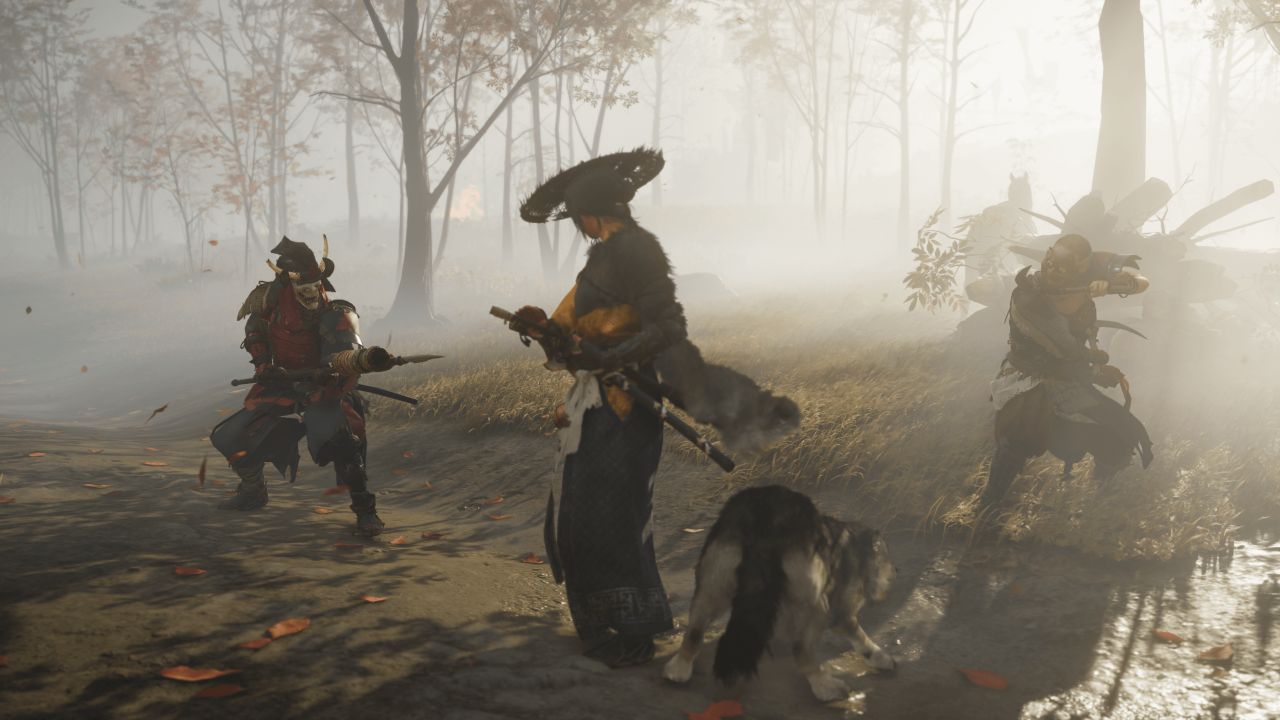
In essence, the two games serve different goals. It's like comparing Battlefield to Call of Duty—both are shooters, but one focuses on large-scale battles, while the other emphasizes fast action. Yōtei gives you an open world filled with engaging stories. Shadows is more of an RPG, focusing on constant character progression through XP, resources, gear, and hideout bonuses.
Its fast-paced content provides a satisfying grind, perfect for putting on a podcast and watching numbers rise. This loop gives Assassin's Creed Shadows more replayability than Yōtei in the long term, though the grind can sometimes feel excessive. Adding more narrative-driven side content, similar to what Odyssey offered, would improve future RPGs.
The near-simultaneous release of these titles is a blessing. Both Ubisoft and Sucker Punch have opportunities to learn from each other and bring those lessons into future projects.
Senior Editor, NoobFeed
Latest Articles
No Data.