
Steam Deck 2 Could Bring Major Performance and Battery Life Upgrades
Valve Is Preparing a New Handheld Gaming Experience With Greater Performance, Improved Efficiency, and Better Hardware Capabilities.
Handheld by Shinji Okazaki on Nov 16, 2026
Steam Deck changed the handheld gaming market by bringing PC gaming to a portable device. It let gamers access their Steam libraries without a traditional gaming PC. Now, attention is turning toward the next generation, with expectations of better performance, improved battery life, and changes to the overall handheld experience.
Steam Deck 2 could take portable PC gaming further, but Valve appears focused on delivering a meaningful generational upgrade rather than releasing another routine hardware refresh. Here's what is known, what is rumored, and what gamers should realistically expect from the upcoming device.
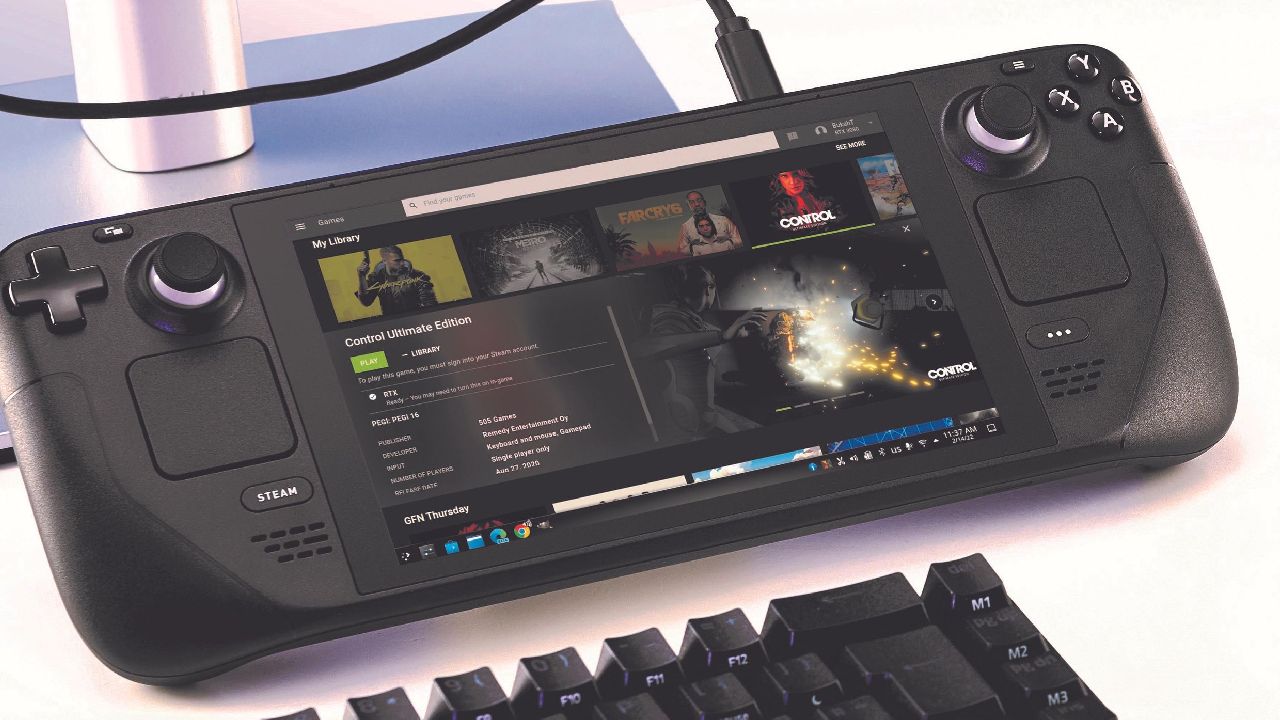
Valve Wants a Genuine Generational Improvement
One of the most important things to understand is that Valve is not treating the Steam Deck 2 like a routine hardware refresh. The company has repeatedly explained that it wants a genuine generational improvement, not just a slightly faster processor with a new product name.
Valve's engineers have indicated that even a 20%, 30%, or 50% performance increase might not be enough if battery life stayed the same. They want a much more noticeable leap in performance and efficiency. That's a big statement, especially in a market where manufacturers regularly introduce new handhelds with incremental improvements.
Modern AAA games demand increasingly powerful hardware, and the original Steam Deck sometimes requires players to adjust graphics settings to maintain smooth performance. A more capable GPU could let the successor deliver better image quality, higher frame rates, and more consistent performance in demanding games.
Imagine enjoying visually impressive open-world adventures without constantly choosing between resolution, graphical detail, and smooth gameplay. That kind of improvement could make a genuine difference. But raw performance is only half the story. Battery life could be equally important. A powerful handheld isn't particularly impressive if you need to plug it in every time you want to play demanding games.
Battery Life and Power Efficiency Remain Important
Valve understands that portable gaming requires a careful balance between processing power, heat, and energy consumption. This is one reason the company has been patient about the next generation. A more efficient processor could potentially deliver better gaming performance without dramatically increasing power consumption. However, until Valve reveals actual specifications, battery capacity, runtime, and charging speeds remain unknown.
Now let's talk about the display because this is another area where gamers will expect meaningful improvements. The Steam Deck OLED already demonstrated how much a better screen can improve the overall experience. Its vibrant colors, deeper blacks, and improved contrast made games look more immersive.
Naturally, many fans will hope that the Steam Deck 2 continues in this direction with an even better display. A higher refresh rate, improved brightness, better color accuracy, and potentially a higher resolution would all be welcome upgrades. But there is an important consideration here. Increasing resolution can place additional demands on the GPU and battery.
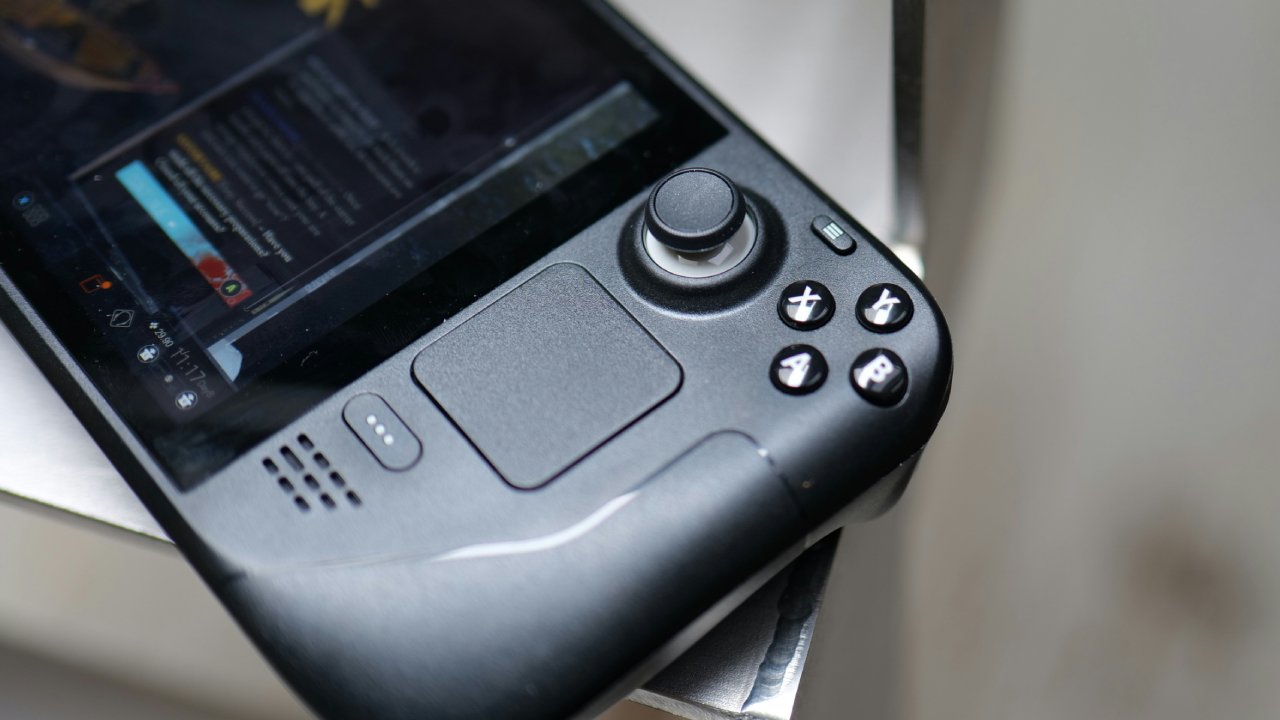
Valve will need to balance visual quality with performance rather than simply chasing impressive numbers on a specification sheet. A beautiful OLED display combined with consistently smooth gameplay would be more exciting than an unnecessarily demanding screen that compromises battery life.
More recently, Valve has reiterated that development is continuing.
This means that predictions about a 2027 or 2028 launch should not be mistaken for confirmed dates. Valve appears willing to wait rather than release a successor that fails to deliver a substantial improvement. And honestly, that could be the right decision. Nobody wants to spend hundreds of dollars on a new handheld only to find the upgrade barely noticeable.
So, should you wait for the Steam Deck 2 or buy a handheld gaming PC today? That really depends on your priorities. If you want portable PC gaming right now, several interesting options are already available. But if you're happy with your current device and want a genuinely meaningful upgrade, keeping an eye on Valve's next-generation handheld could be worthwhile.
The biggest question is whether Valve can deliver something that combines desktop-class gaming ambitions with the battery life, comfort, and affordability people expect from a portable device. That's a difficult challenge, but it's also what makes the Steam Deck 2 so interesting. The next generation of handheld gaming could bring changes beyond raw processing power.
FAQ
Q. Has Valve officially announced the Steam Deck 2 release date?
A. No. As of November 2026, Valve has not announced an official release date or launch window for the Steam Deck 2. Predictions about a 2027 or 2028 launch remain unconfirmed.
Q. What processor will the Steam Deck 2 use?
A. Valve has not confirmed the processor or architecture. A next-generation custom AMD APU is a possibility, potentially offering improved CPU performance, stronger integrated graphics, and better power efficiency.
Q. Will the Steam Deck 2 have an OLED display?
A. Valve has not confirmed the display specifications. However, an improved OLED display with better brightness, color accuracy, and a higher refresh rate would be a welcome upgrade.
Q. Why is Valve taking so long to release the Steam Deck 2?
A. Valve wants a genuine generational improvement in both performance and efficiency. The company doesn't want to release a successor that offers only a modest performance increase without meaningful battery-life improvements.
Editor, NoobFeed
Latest Articles
No Data.