
Steam Deck DLSS Support Boosts Gaming Performance as FSR 4 Arrives
Steam Deck gains unofficial DLSS support as AMD prepares a lighter FSR 4 version to improve performance and image quality.
Handheld by Tanvir Kabbo on Oct 16, 2026
New upscaling technology, community-made software, and better access to games on other platforms are all coming to the Steam Deck. With unofficial NVIDIA DLSS support already in place, AMD FSR 4 coming later this year, and a new PlayStation cloud streaming app on Steam, existing gear could stay relevant longer. Meanwhile, hardware costs are rising, memory is in short supply, and Valve's Steam Frame reservation line remains up in the air.
DLSS and FSR 4 Could Transform Steam Deck Gaming
The Steam Deck is adding new upscaling features that could boost image quality and performance in demanding games. AMD revealed yesterday that a slimmed-down version of FSR 4 will arrive for the Steam Deck and other gaming handhelds before the end of the year.
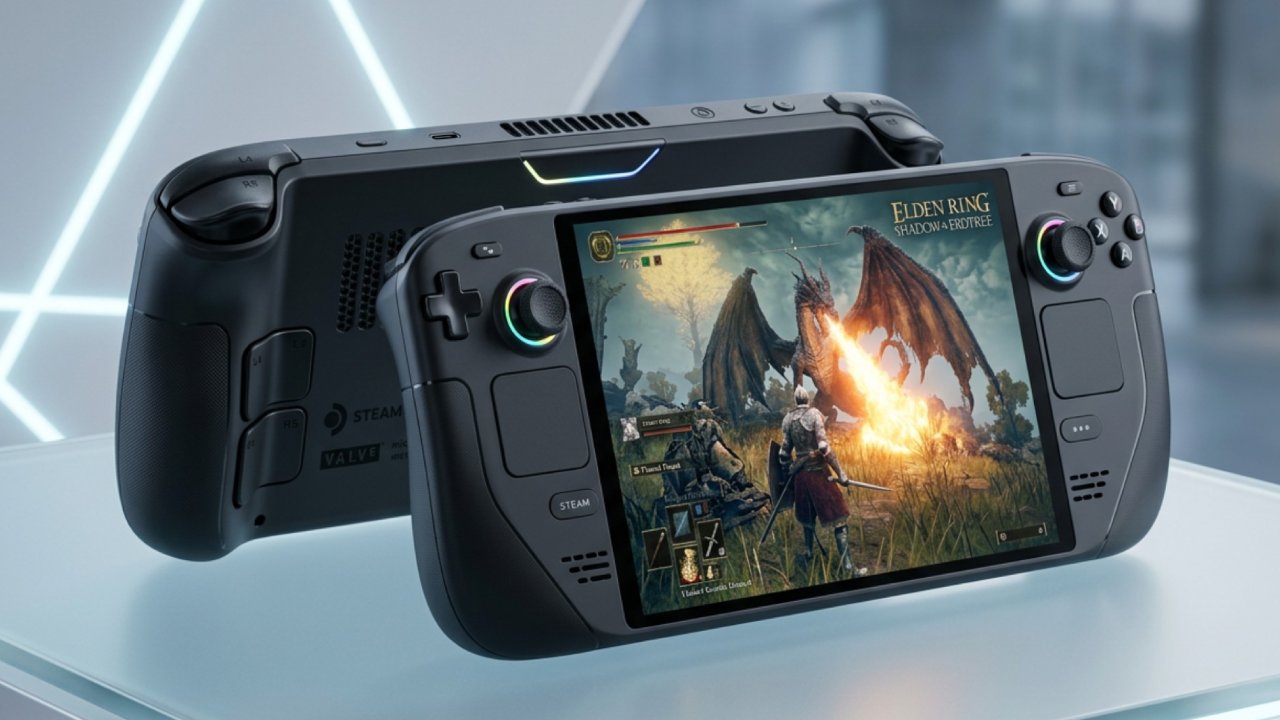
This lighter version is crucial because the current FSR 4 method needs a lot of processing power, so users typically have to choose Performance or Ultra Performance settings. A lighter version may provide better picture reconstruction without sacrificing performance.
But community developers have already gotten NVIDIA DLSS working on the Steam Deck, using an older DLSS 3 model, apparently version 3.7. While DLSS 3 doesn't use the latest Transformer-based hardware, it can still beat FSR 3 in some games.
If a game struggles to hit 30fps, DLSS can improve visual clarity and make the experience steadier. Even at lower render resolutions, it can look better than FSR 3 in either Balanced or Quality mode. But the unauthorized implementation needs DirectX 12, doesn't have Vulkan games, and still has compatibility concerns. Without NVIDIA's blessing, there's likely no official support either.
Upscaling Prolongs Steam Deck's Lifespan
Such advances could ultimately save Steam Deck users costly hardware updates. Competing mobile PCs may retail for about $1,000. Memory shortages continue to cloud future pricing. The Steam Deck 2 may arrive as early as the end of next year, but the final price is yet unknown. Even if memory prices begin to drop in 2027 or 2028, it will probably take time to recoup the losses.
That means FSR 4 and DLSS are viable approaches to extend the life of existing hardware. The Steam Machine could get similar benefits, with built-in FSR 4 support offering another option for balancing image quality and frame rates. Some difficult games can fall from 60fps to about 40fps with better reconstruction, so it's a matter of personal preference.

Steam Frame Reservations Remain Uncertain
Valve has revised its reservation projections for the Steam Frame, suggesting consumers may be able to place orders by the end of 2026 or sometime in 2027.
This offers some guidance, but the timeline remains hazy. Buyers still don't know when they'll be able to order, making it hard to budget for hardware that might cost more than $1,000. The reservation system may help deter scalping, but poor transparency still annoys customers in line.
Memory Shortages Threaten Gaming Hardware Affordability
The pressure on gaming hardware continues from memory shortages and increasing AI infrastructure demand. Reports say the RTX 5080 is priced at roughly $1,600, further underscoring the rising cost of high-performance PC gaming.
These pressures could potentially hit Valve's new devices. But for Steam Deck owners, DLSS and FSR 4 give more reasons to stick with existing hardware. Together, these developments show how software updates can extend device life as gamers hold out for more affordable hardware and clearer availability timetables.
Senior Editor, NoobFeed
Latest Articles
No Data.