
Steam Frame VR Headset: Specs, Price, Release Date, and Should You Buy It
Valve’s new headset targets the middle ground with reliable visuals, efficient streaming, and improved usability over traditional wired PCVR systems
Hardware by Tanvir Kabbo on Mar 17, 2026
The Steam Frame is finally close to release, but after a seven-year wait, launch delays, rising prices, and specs that look surprisingly average on paper, the question remains whether it is actually worth buying or if money is better spent elsewhere.
Fresh information from GDC confirms that it is still launching this year despite recent uncertainties. Everything points to a headset that may not be for everyone, depending on the type of VR experience being considered, as it could either be a perfect upgrade or something to skip entirely.
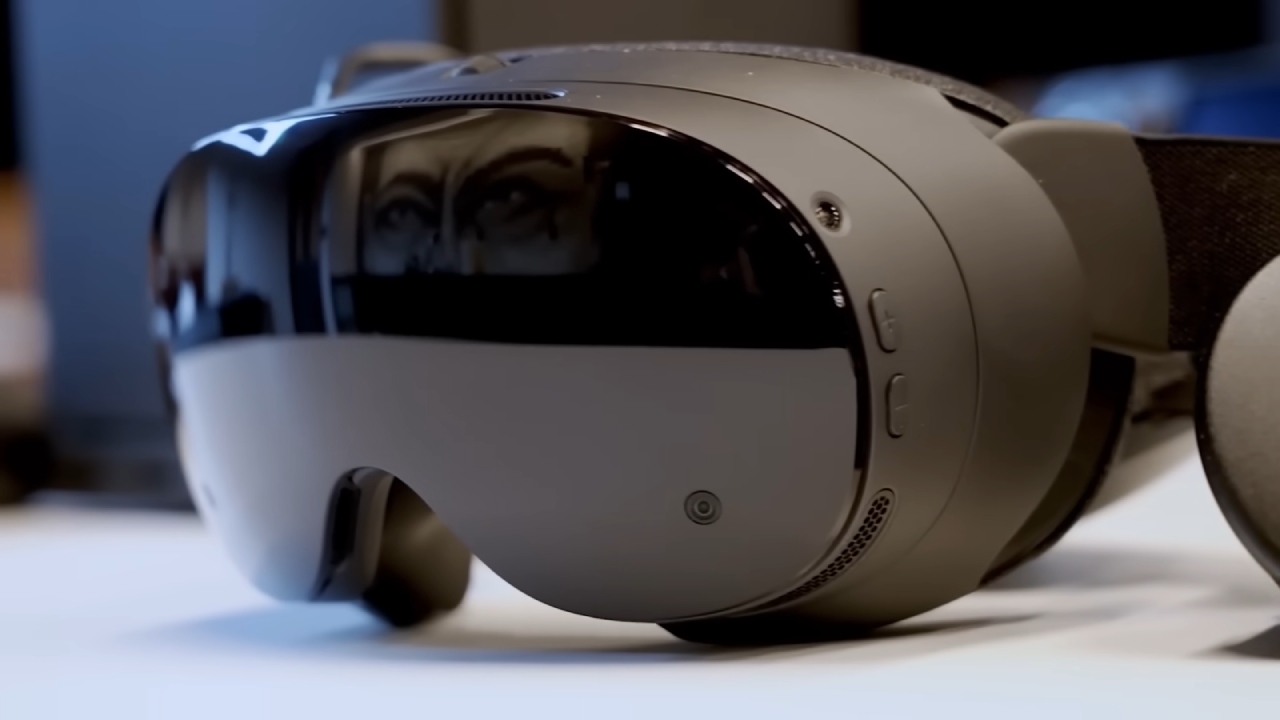
A Long-Awaited Return to VR
If we have been around PCVR for a while, we probably remember the last time Valve released a headset. The Valve Index came out in 2019 and soon became one of the best PCVR systems on the market.
After then, Valve didn't say much about VR hardware, and throughout the years, people became quite excited for the next headset. When the Steam Frame was ultimately revealed in November, the VR community quickly saw it as a big return to the space.
At first, the plan looked simple, with a launch date set for early 2026. But the messages started to change. At first, they said it would come out in the first half of 2026, but then they changed it to a more general statement that it will come out this year.
That language made things unclear, and many people thought there may be a delay until 2027. Valve later clarified that the headset is still coming this year, and the Steam store page now lists it as coming soon.
Pricing Uncertainty and Market Volatility
The bigger question right now is not when it launches, but how much it will cost. Valve initially stated that the price would be similar to the Valve Index, which originally launched as a $1000 kit including controllers and base stations. However, that comparison becomes less straightforward because the Steam Frame uses inside-out tracking instead.
Many initially expected a price between $600 and $700, which would have made it highly competitive. However, the hardware market has experienced significant volatility, especially in memory and storage pricing. Valve has already confirmed that supply issues played a role in shifting the timeline, which could also push the final price higher than expected.
During GDC, Valve mentioned that it would still be lower than the Index price, with estimates placing it around $800, though nothing has been confirmed yet.
Balanced Specs Instead of Cutting Edge
Looking at the specs, the Steam Frame does not appear especially groundbreaking. It features LCD panels with a resolution of 2160x2160 per eye and uses pancake lenses. While these are solid specifications, they are not at the cutting edge of current VR technology.
At first glance, this may seem disappointing, but there is a practical reason behind it. Even the fastest consumer GPUs, including high-end options like the RTX 5090, struggle to fully utilize ultra-high-resolution headsets. While 4K per eye sounds appealing, most systems cannot realistically handle it. As a result, 2160x2160 per eye may actually represent a balanced sweet spot between clarity and performance for current PCVR setups.
.jpg)
Wireless PCVR as the Key Advantage
The wifi system of the Steam Frame may be its best feature, not its display. It has a dedicated Wi-Fi 6E dongle that is made just for streaming PCVR wirelessly, which is one of its best features. This wireless connectivity lets the headset connect directly to a PC instead of having to buy a home network or other things.
This approach addresses many of the common issues with wireless PCVR, such as poor router placement, network congestion, interference, and resulting latency spikes or visual artifacts. By creating a direct connection, Valve aims to eliminate these variables and provide a more stable experience.
In addition, the inclusion of eye tracking enables foveated streaming. The system doesn't show the whole image at full resolution; instead, it focuses on the area being looked at and lowers the quality of the rest of the image. This saves bandwidth and makes the system work better.
There are other technologies that are similar, however many cheap headsets don't include eye tracking, which makes them less useful. If Valve’s implementation performs as expected, it could deliver one of the best wireless PCVR experiences available.
Standalone Capabilities with Limitations
The Steam Frame also includes standalone functionality, allowing games to run without a PC. However, Valve’s approach differs from competitors by also supporting regular PC games displayed on a large virtual screen. The controllers include additional inputs, making them function more like traditional gamepads.
Despite this, the standalone hardware is not expected to compete with even low-end gaming PCs. Early indications suggest performance may be around 20% to 30% better than a Quest 3, which is an improvement but not enough to make standalone features the primary reason to buy the headset.
Steam Ecosystem and Performance Targets
Valve appears to be building an ecosystem similar to the Steam Deck. At GDC, the company introduced Steam Frame verified criteria. VR games must achieve 90fps, while standard PC games running on a virtual screen must reach 30fps at 720p.
There is also a potential issue with availability. Due to ongoing supply constraints, the first wave of units may be limited. Combined with high demand after a seven-year wait, the headset could sell out quickly at launch.
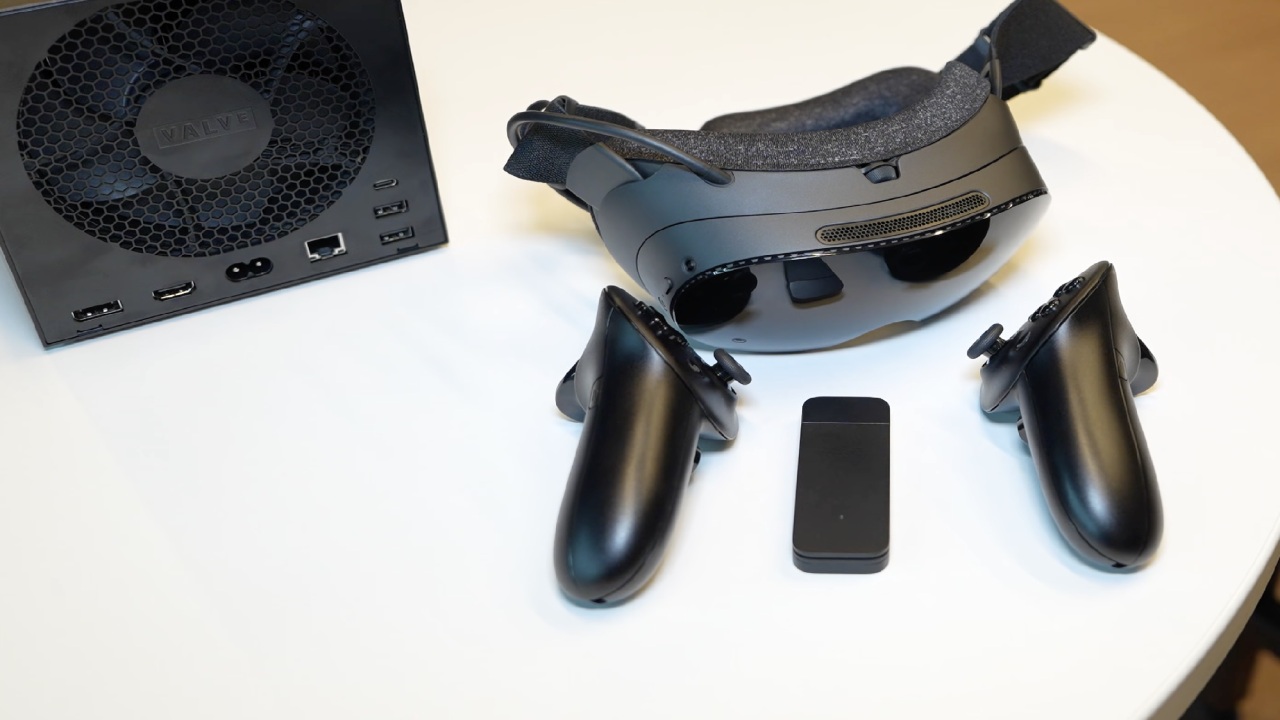
Who Should Consider Buying the Steam Frame
The Steam Frame occupies a unique position in the VR market. It does not aim to be the most affordable standalone headset, nor does it push the highest possible visual fidelity. Instead, it targets a middle ground focused on delivering a high-quality wireless PCVR experience.
If we are primarily interested in wireless PCVR, this headset could be one of the best options available. The direct wireless connection, eye-tracked streaming, and integration with Steam could make the experience smoother and more accessible than current solutions.
However, if the goal is maximum visual fidelity, other headsets already offer higher resolutions, especially for those willing to use a wired connection. For users mainly interested in standalone VR, there are more affordable options specifically designed for that purpose.
Final Thoughts
The Steam Frame appears to be a well-balanced headset designed for a specific type of user. It is not the cheapest option and not the most powerful, but it has the potential to be one of the most practical solutions for high-quality PCVR without the limitations of cables, while still offering occasional standalone functionality.
Ultimately, the decision will depend on the final price and how well the wireless system performs in real-world conditions. If both meet expectations, the Steam Frame could fill a gap in the VR market that has yet to see a clear leader.
Also, check our other hardware articles:
- AMD Ryzen 9 9950X3D Review: Setting The Standard For 2025 Gaming CPU
- Amazon Luna 2025 Review: Is Prime Gaming's Cloud Service Your Go-To For Casual Fun?
- AMD RX 9070 XT Review: AMD's RDNA 4 Champion for 1440p Gaming
- GeForce Now Ultimate: Ditching Your Gaming PC For Cloud RTX 4080 Power?
- NVIDIA GeForce RTX 5080 Review (2025): Still A 4K Gaming Powerhouse?
- Intel Core Ultra 9 285K Review And Performance Breakdown (2025)
- AMD Ryzen 7 9800X3D Review: 3D V-Cache Goes God Mode with Stunning Gaming Performance
- Intel Core Ultra 9 285K vs AMD Ryzen 7 9800X3D: In-Depth Gaming Performance and Benchmark Comparison
- NVIDIA GeForce RTX 5080 Super Performance In Cyberpunk 2077: Path Tracing & DLSS 4.0 Tested
- AMD Radeon RX 9070 XT In Cyberpunk 2077: Ray Tracing & FSR 4.0 Tested
- Intel Arc B580 Review: The $250 GPU Revolutionizing 1440p Gaming
- Intel Arc B570 Vs. B580: Value, Specs, And Real-World Gaming Performance
- RTX 5090 Laptop Vs. M4 Max MacBook Pro: Ultimate Raw Performance Vs. Battery Endurance
- Intel Arc b580 Vs. RTX 4060: Game Performance And Value Analysis
- RTX5090 Hell Is Us Demo 4K Ultra Benchmark: DLSS Vs. Native Performance Guide
- NVIDIA RTX 5070 Review: Mid-Range Muscle or Marketing Hype?
- Nintendo Switch 2 Review: Handheld Performance, Features & Value Breakdown
- RTX 5070 Ti Review: Performance, Thermals & Power Efficiency Tested
- Samsung Odyssey OLED G81SF Review 2025: Ultimate 32-Inch QD-OLED Gaming Monitor
- AMD RX 9070 Performance Review: Thermals, Clocks, and Real-World FPS
- AMD Ryzen 5 7600 Review: Best Budget Gaming CPU of 2025?
- AMD Radeon RX 7800 XT Review: RDNA 3 Power For Midrange Gaming
- Asus ROG RTX 5090 Astral OC Vs. Founders Edition: The 4K Gaming Benchmark
Senior Editor, NoobFeed
Gaming Hardware Updates
No Data.