
The Strange Alchemy of Survival in the Modern Game Industry
Mid-sized studios, live services, and strategic rebooting are quietly shaping the next decade of gaming behind the headlines.
Opinion by Zahra Morshed on Feb 13, 2026
A well-known story has started to go around about Nintendo's next step. More and more, the phrase "mid reviews" is being used to describe Switch 2 first-party games, as if average scores were the only way to measure worth. A score in the high seventies is all of a sudden seen as a warning label for a seventy-dollar album. The inference is easy to see. If the number does not go over 85, the event is not worth it.
There's no doubt about that. There are also some loose ends. Review aggregation doesn't give a single truth, but rather a picture of what most experts agree on. A decimal point has never been the only thing that determines value in interactive enjoyment. A well-thought-out four-hour effort can last longer than a long thirty-hour to-do list.
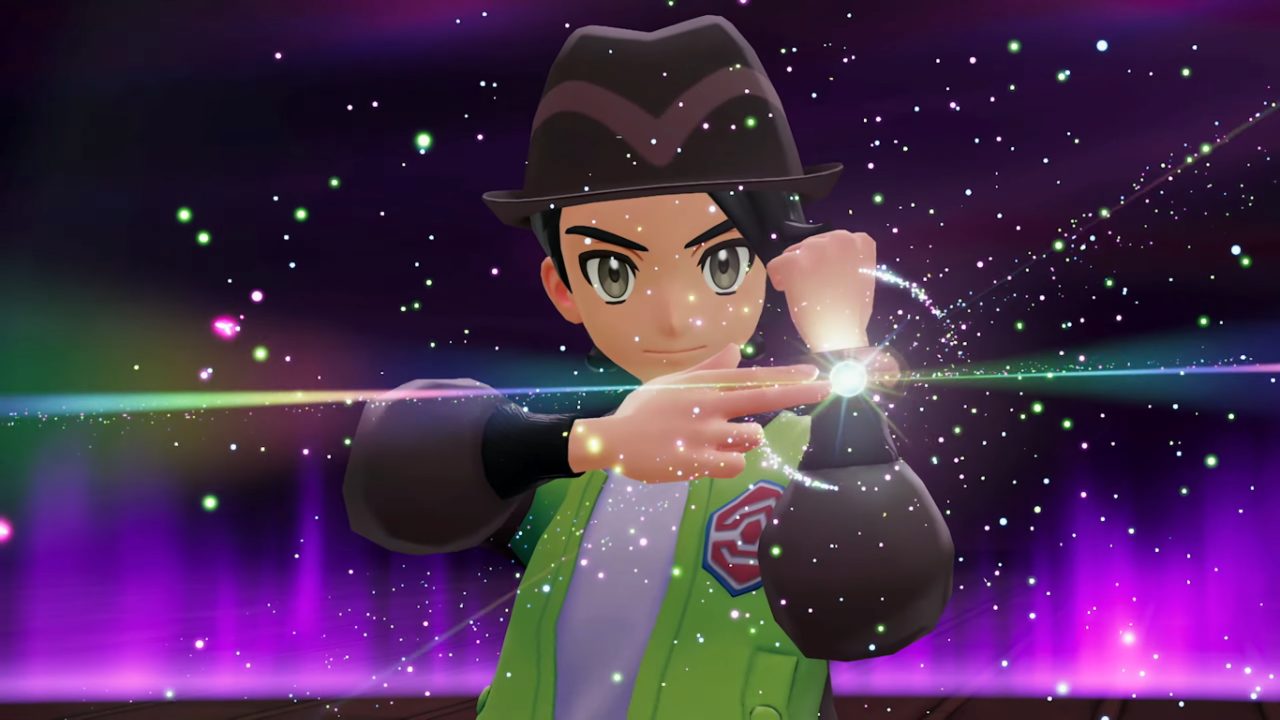
There is price awareness and emotional return on investment.
The rhythm is what makes this moment interesting. Scores for a number of new Nintendo games have been in the mid to high seventies. This level of regularity has led to rumors of a wider drop in quality. The case is made more difficult by historical facts. Major games for the original Switch, like The Legend of Zelda: Breath of the Wild, Super Mario Odyssey, and Metroid Prime Remastered, easily slipped into the 1990s. The brand still knows how to create important standouts.
Instead, the change may be due to diversifying the stock. In the past few years, Nintendo has put out a mix of big-budget games and smaller, niche-revivals and blends of different genres. Not every movie comes out with the goal of being a worldwide hit. Some are focused plays that are meant to serve certain parts of a large install base. In that situation, an 78 can mean that the score is in line with what the audience expects instead of a sign of widespread decline.
Think about the Pokémon series. Pokémon Legends Arceus was given a score in the low eighties when it came out in 2022. It was praised for functional innovation even though it had some technical problems. Mainline games like Pokémon Scarlet and Violet got mixed reviews when they came out, but they did very well in the stores, selling more than twenty million copies. Consumer demand and critical trends don't always move in sync with each other.
That tension feeds the present argument.
If a made-up Pokémon Legends: Z-A came out in the 1970s, people would probably only talk about how good the graphics are and how well the game runs. But Pokémon's long-term strength lies in how the systems are set up, how creatures are collected, and how the long tail community interacts with the game. Review scores record how people felt about the launch. They rarely check how long a culture lasts.
The price is also something to talk about. The thirty-dollar mark has become the new norm for high-end game software on the PlayStation, Xbox, and Nintendo platforms. Expectations have changed because of inflation, growing development budgets, and longer production timelines. No longer is the question whether or not $70 seems like a lot of money. It's whether the content plan makes premium positioning worth it.
Nintendo has always been more interested in polish and gaming clarity than in big, exciting movies. That way of thinking can split reviewers who have learned to connect size and worth. When compared to games with huge open worlds, a tightly focused story might be seen as small. But design depth often determines how playable something is. The company's most popular games are built around features that require skill rather than just being long.
What could break through the "1970s ceiling" is the more interesting question.
In terms of overall score, major first-party brands usually do better than experimental spin-offs. A new 3D Mario, a fully realized Zelda follow up, or a bold remake of an old IP that hasn't been used in a while could easily change the story. Trends that you look at don't usually last. Their form is set by the mix of releases and the mood of the market.
It's also possible for a property that was thrown out to make a comeback. Pokémon spin-offs that were written off by core fans have sometimes been given new life by improving the way they are built. People's ideas change quickly when creative risk meets technology refinement. It's been seen before in this business. Months of doubt can be erased by a single breakout.
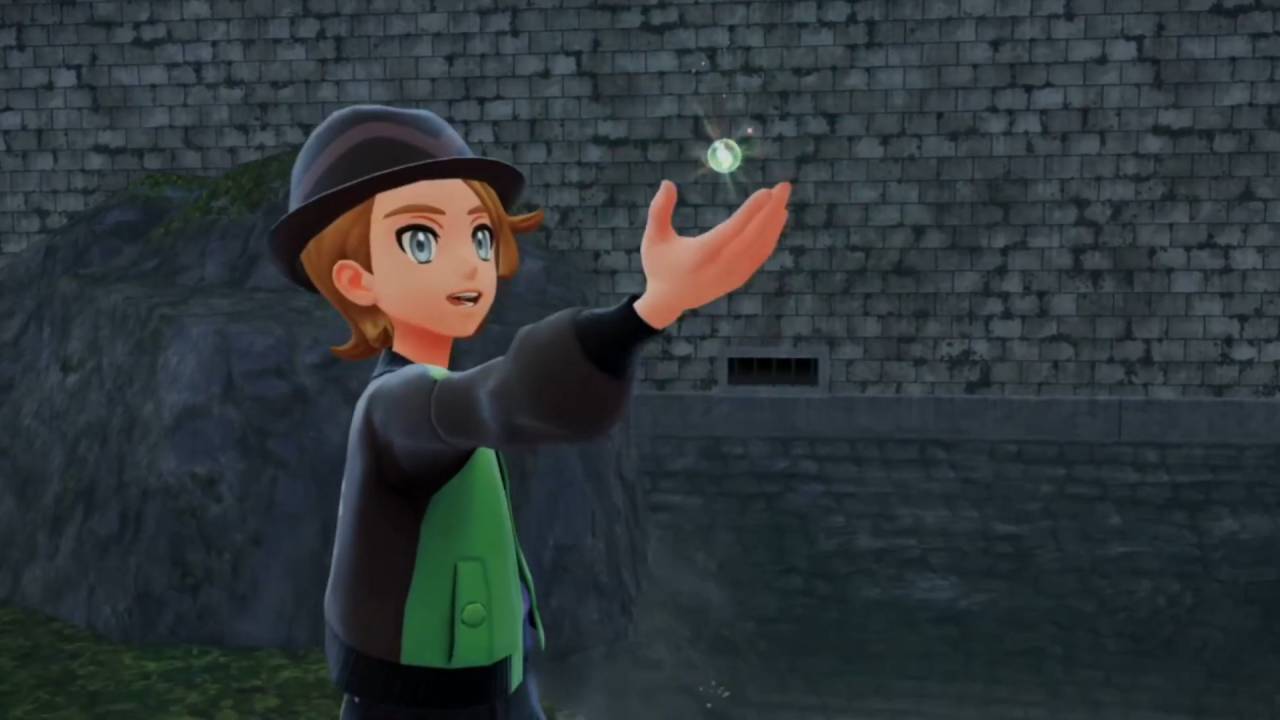
Nintendo's strategic focus is something that doesn't change. The company doesn't usually follow trends without first putting them through its own visual language. People sometimes mistake caution for inaction. It can also be the basis for living a long time. More than 100 million Switch hardware units have already been sold around the world. This has created an environment where even games with average reviews can do well in the market.
The story of the fall is interesting. It gives an easy explanation for how complicated markets work. But the numbers point to a more complex reality. The mid- to high-seventies do not always mean decline. They might show that people are trying new things, recalibrating, or changing their critical views.
In the end, review scores are just signs and not decisions. They affect what people buy, but they don't define group memory. The legacy of Nintendo wasn't just based on numbers. It was built on times that stay with you long after the numbers are no longer in the news. Resonance may be the more important measure, not whether the next release comes out in the 1970s, 1980s, or 1990s. And that's something that no computer can fully guess.
Contributor, NoobFeed
Latest Articles
No Data.