
Ultimate CPU and GPU Combos Guide for High FPS Gaming
Best affordable CPU and GPU combinations delivering strong 1080p performance for esports and casual gaming.
Anime by Mitsuba Miyu on Feb 24, 2026
Picking the right CPU and GPU is key to achieving higher refresh rates, smoother graphics, and faster response times in games. These two parts directly affect how well games run, from the quality of the graphics to the consistency of the frames.
Putting together a powerful gaming PC is all about finding the right mix. Spending too much on one part and not enough on the other often wastes potential and costs money that isn't needed. A CPU and GPU that work well together ensure neither slows down the system. This gives you the best value and speed at any price point.
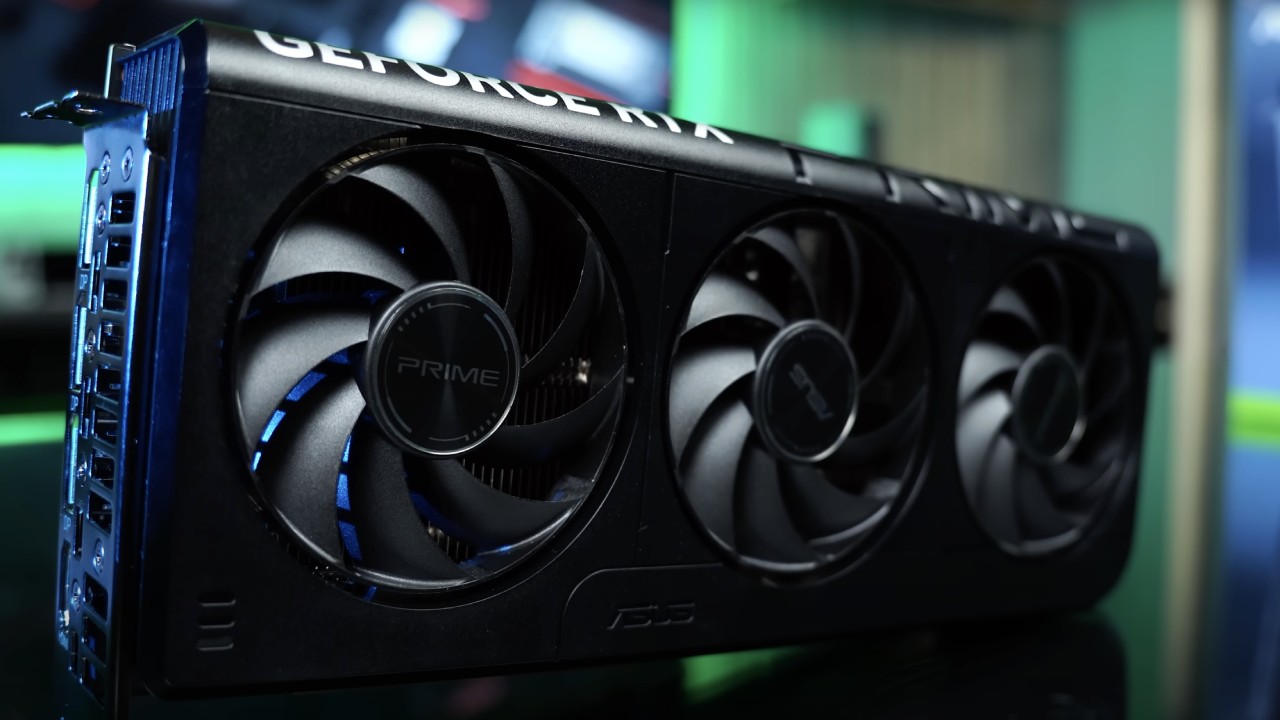
Understanding the Relationship Between CPUs and GPUs
Most of the time, the main bottlenecks in a gaming machine are the graphics processing unit and the central processing unit. They work together to set your frame rate and general responsiveness in games. It is important to make smart purchases on both parts if you want to play games at better quality settings, higher resolutions, and higher frame rates.
The GPU should be given priority most of the time. A lot of games are GPU-bound, meaning the graphics card is always at 99% to 100% utilization. In these situations, getting a faster GPU directly improves performance. But modern games rely increasingly on CPUs. In some games, the processor becomes the bottleneck, limiting the maximum frame rate achievable, even when the GPU is very powerful.
When you change the size and graphics settings, the GPU has to do more work. It doesn't matter if you switch from 1080p to 4K if your CPU's top speed is still 150 frames per second. But instead, it puts more stress on the GPU, which usually lowers the total frame rate. This is why 1080p is often used for CPU benchmarks: to see how fast the processor can run before the GPU starts slowing it down.
The choice of monitor is also very important. It only makes sense to buy a 240hz or 360hz display if your CPU and GPU can regularly push 240fps or more. You will never get the most out of a 240 Hz panel if your system can only handle 200 fps.
Also, core numbers are important. Older games work well with 4 cores, newer games work well with 6 cores, and adding more than 8 cores rarely makes gaming run faster on its own.
More than 8 cores usually help with work or compiling shaders more than they help with raw game frames per second. The stacked 3D V-Cache in AMD's X3D processors makes them great for games. However, spending more on a faster GPU often yields better performance gains than spending a lot on a high-end CPU.
Entry-Level CPU and GPU Combos
When it comes to older games and e-sports games, entry-level gaming systems are a great deal. In this category, several GPUs stand out.
The Intel Arc B580 and Arc B570 both offer good speed at a reasonable price. They have 12GB and 10GB of VRAM, respectively. The RTX 5050 and RTX 5060 are great options for gamers who want to play online and e-sports games.
They feature DLSS 4.5 and frame generation, offering higher frame rates. But each card only has 8GB of VRAM, which can make challenging single-player games drop frames or lose textures, even at 1080p. The RX 9060XT 8GB works about the same, with higher average frames per second but the same VRAM limits.
At this level, there isn't a clear winner for everyone. Arc cards have more VRAM, but they sometimes work a little slower. Even though Nvidia and AMD cards are faster, they can only hold 8GB of memory.
When it comes to CPUs, the Ryzen 5 series, both the 7000 and 9000 models, offer the best value overall. You can choose between the Ryzen 5 7500F and the Ryzen 5 9600X. For a small price premium, the latter 9000 series offers slightly better performance, making it a smart choice if money is available. When you pair any of these CPUs with any of the GPUs listed above, you get a well-balanced and powerful game system.
The Intel Ultra 5 245K is also worth mentioning because it has a good price and good game performance. But compared to AMD's AM5 ecosystem, which supports future CPU upgrades like higher-tier X3D models, its platform doesn't offer as many upgrade paths.
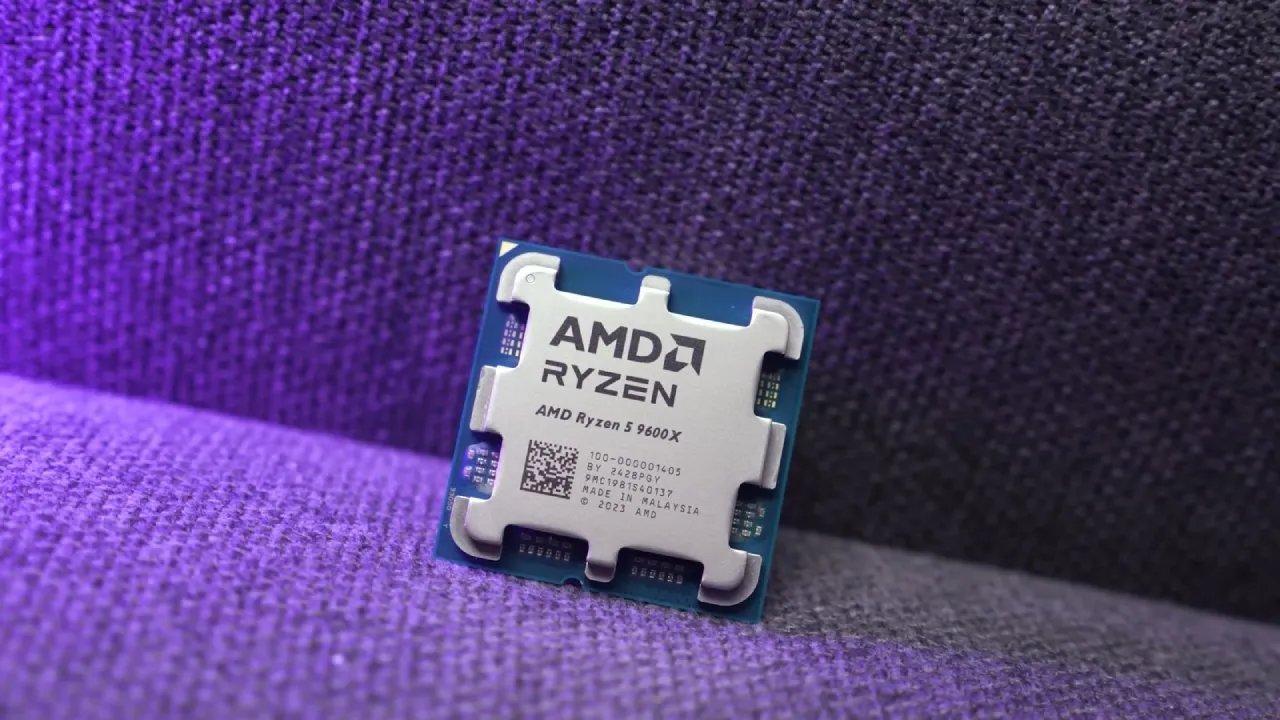
Mid-Range CPU and GPU Combos
It's much easier to balance efficiency in the mid-range segment. At this level, systems can easily handle 1440p games with better quality settings and longer life.
At the moment, the RX 9600XT 16GB is one of the best deals on GPUs in this price band. It performs similarly to the RTX 5060Ti 16GB but costs less. Even though its price has gone up lately, the RTX 5060Ti 16GB is still a good choice thanks to its good performance and Nvidia's software ecosystem.
In some games, the RTX 5070 has up to 30% more frames per second than the 5060Ti. It also has 12GB of VRAM. This makes it a strange choice. It is very strong, but its memory usage may slow it down at higher resolutions or when ray tracing is enabled. In some AAA games, 16GB GPUs may make the whole experience smoother, even if the raw frame rates are lower.
It makes sense to upgrade to an 8-core CPU. Though the cheaper Ryzen 7 7700X is faster, the Ryzen 7 90700X is still faster. For people who like to work and play games at the same time, the Ultra 7 265K and Ryzen 9 7900 offer great multi-core performance without sacrificing gaming performance.
Perhaps the Ryzen 5 7500X3D or 7600X3D is a better choice. Additionally, these computers have 6 cores, but the extra 3D V-Cache makes gaming much faster. These chips can work better than regular 8-core models for competitive esports players who want to get very high frame rates at 1080p. In the long run, though, an 8-core CPU may be the better choice for a more balanced and future-proof machine.
High-End CPU and GPU Combos
The goal for high-end computers is 1440p with ray tracing, or 4K gaming with upscaling enabled. At this level, the choices for GPUs get smaller.
The main competitors are the RX 9070 and RX 9070XT. The RX 9070XT is worth the extra money because it performs better, as long as the price difference is fair. Both GPUs have 16GB of VRAM, and they both support FSR4, which improves upscaling.
When it comes to CPUs, these GPUs work great with a Ryzen 7 9700X or Ryzen 7 7800X3D. If you can afford it, the Ryzen 7 9800X3D is an even better choice for gamers. The Ryzen 7 9850X3D is about 3% faster than the 9800X3D, but it might not be worth it unless you need the best game performance at this price point.
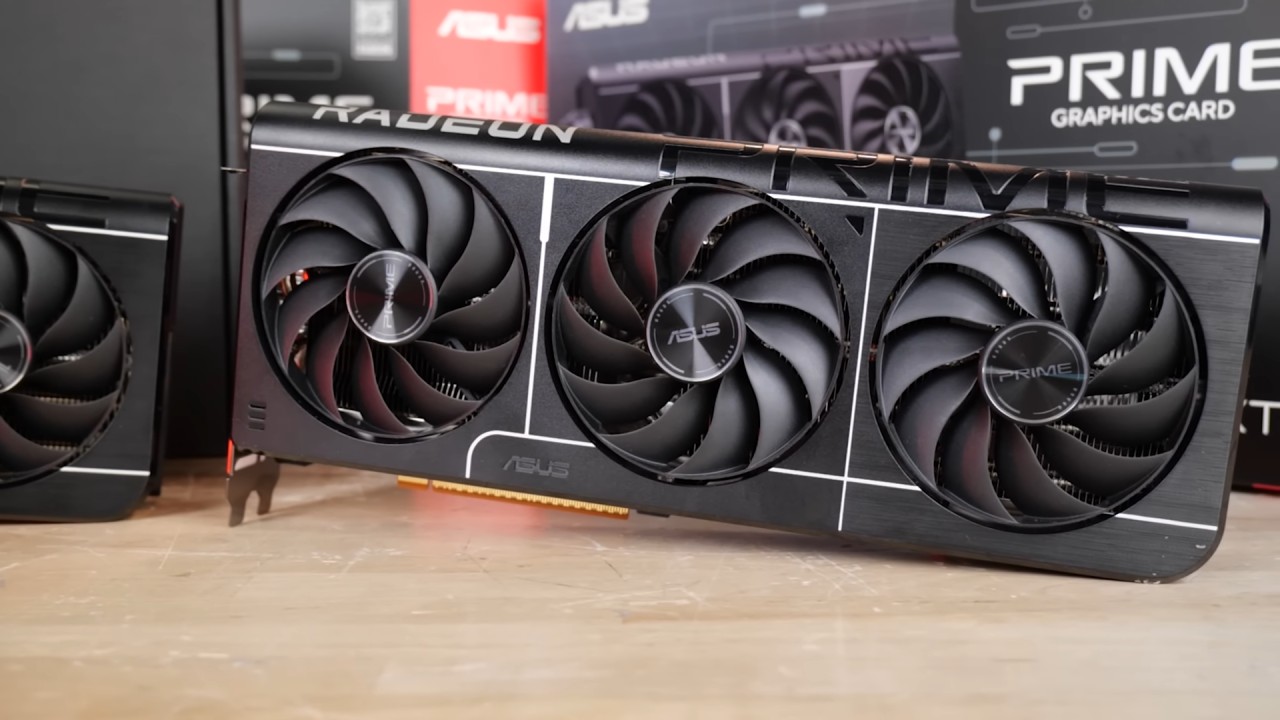
Luxury High-End CPU and GPU Combos
There are luxury configurations for people who value efficiency over value. Some GPUs, like the RTX 5070 Ti, RTX 5080, and RTX 5090, are very fast, especially for ray tracing and path tracing tasks. At this price, though, it's hard to say the GPU is only good for games unless it's also used for work that offsets the cost.
If gaming is the only thing you care about, GPUs around the RX 9070 XT level usually offer better value for money. In some situations, the RTX 5090 might be needed for its 16GB of VRAM, but it is still mostly used for games.
For the best gaming performance, the Ryzen 7 9800X3D or Ryzen 7 9850X3D is the best CPU. The Ryzen 9 9950X3D is the best choice for people who want both top-notch gaming frame rates and top-notch multi-core performance. On the other hand, people who want to focus on specific professional tasks might like a Core Ultra 9 processor. However, gaming benchmarks should be carefully looked over before making a final choice.
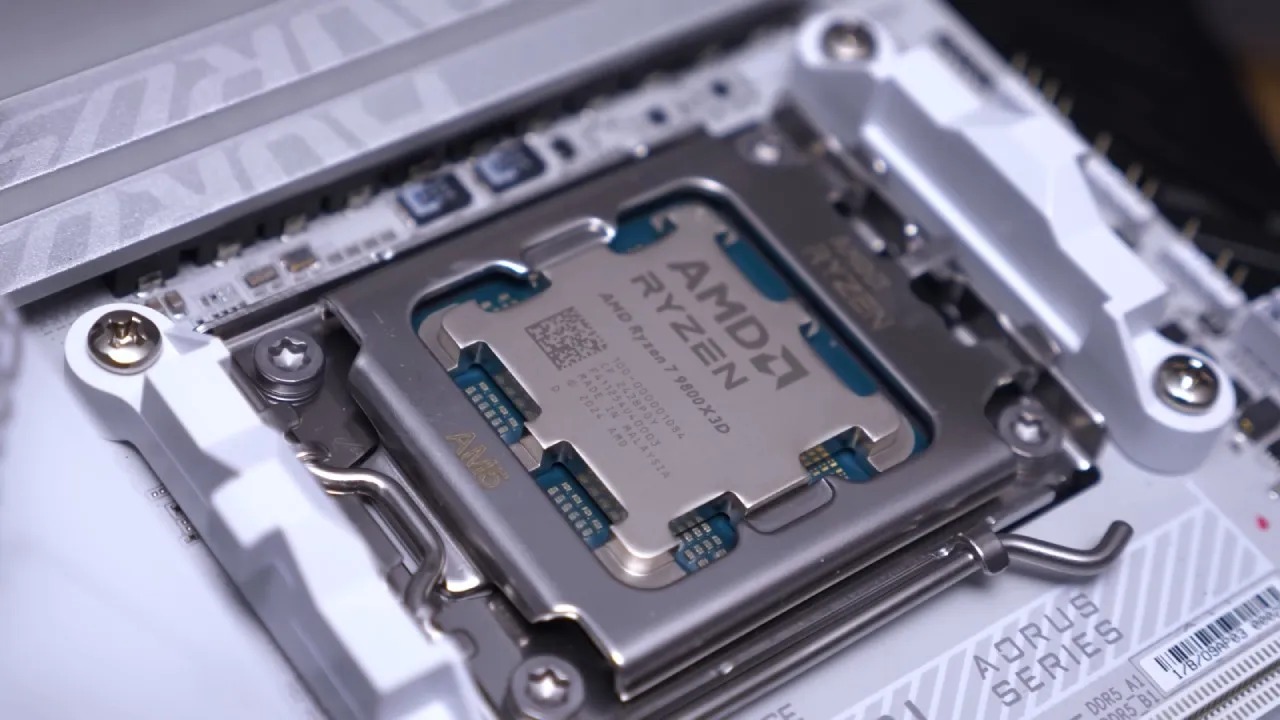
Final Thoughts
Finding the right mix is key to having the best gaming experience. Usually, putting more emphasis on the GPU results in the largest increase in frames per second. On the other hand, ignoring the CPU can slow things down and make high-refresh screens less useful. To avoid delays and get the most value, we suggest matching parts that can do similar things.
Ultimately, which CPU-GPU combination will suit you will be based on what you intend to accomplish with it in terms of resolution, refresh rate, and, of course, whether you are going to engage in gaming or if this is a minor part of your overall task. Provide a balanced mix of these components, and you can be assured that your system will be working well, last long, and yield the best returns on your investment at any cost.
Also, check our other hardware articles:
- AMD Ryzen 9 9950X3D Review: Setting The Standard For 2025 Gaming CPU
- Amazon Luna 2025 Review: Is Prime Gaming's Cloud Service Your Go-To For Casual Fun?
- AMD RX 9070 XT Review: AMD's RDNA 4 Champion for 1440p Gaming
- GeForce Now Ultimate: Ditching Your Gaming PC For Cloud RTX 4080 Power?
- NVIDIA GeForce RTX 5080 Review (2025): Still A 4K Gaming Powerhouse?
- Intel Core Ultra 9 285K Review And Performance Breakdown (2025)
- AMD Ryzen 7 9800X3D Review: 3D V-Cache Goes God Mode with Stunning Gaming Performance
- Intel Core Ultra 9 285K vs AMD Ryzen 7 9800X3D: In-Depth Gaming Performance and Benchmark Comparison
- NVIDIA GeForce RTX 5080 Super Performance In Cyberpunk 2077: Path Tracing & DLSS 4.0 Tested
- AMD Radeon RX 9070 XT In Cyberpunk 2077: Ray Tracing & FSR 4.0 Tested
- Intel Arc B580 Review: The $250 GPU Revolutionizing 1440p Gaming
- Intel Arc B570 Vs. B580: Value, Specs, And Real-World Gaming Performance
- RTX 5090 Laptop Vs. M4 Max MacBook Pro: Ultimate Raw Performance Vs. Battery Endurance
- Intel Arc b580 Vs. RTX 4060: Game Performance And Value Analysis
- RTX5090 Hell Is Us Demo 4K Ultra Benchmark: DLSS Vs. Native Performance Guide
- NVIDIA RTX 5070 Review: Mid-Range Muscle or Marketing Hype?
- Nintendo Switch 2 Review: Handheld Performance, Features & Value Breakdown
- RTX 5070 Ti Review: Performance, Thermals & Power Efficiency Tested
- Samsung Odyssey OLED G81SF Review 2025: Ultimate 32-Inch QD-OLED Gaming Monitor
- AMD RX 9070 Performance Review: Thermals, Clocks, and Real-World FPS
- AMD Ryzen 5 7600 Review: Best Budget Gaming CPU of 2025?
- AMD Radeon RX 7800 XT Review: RDNA 3 Power For Midrange Gaming
- Asus ROG RTX 5090 Astral OC Vs. Founders Edition: The 4K Gaming Benchmark
Editor, NoobFeed
Latest Articles
No Data.