
AMD Ryzen Refresh vs Intel Core Ultra and NVIDIA DLSS 5 Controversy Explained
AMD prepares higher base clock Ryzen refresh to counter Intel Core Ultra chips with increased cores and competitive pricing.
Hardware by Nahe Yan on Mar 20, 2026
The memory issue is still affecting the market, leading to strange products that can mislead shoppers. A new memory pack has been announced. It comes with one working stick and one filler module. The second stick is just for RGB and doesn't have any memory.
Even though it is explicitly labeled as an RGB filler kit and has proven to work in a single channel, there are still issues. Some people might think it's dual-channel at first glance, and resellers might claim it is too.
Problems with the Memory Market
According to market forecasts, memory costs are unlikely to stabilize any time soon, and even by the second half of 2027, they are not expected to decline. Because of this, we will probably see more unusual deals like this one. Be careful when buying memory and double-check the specs before making a choice.
AMD reacts to Intel's Core Ultra Refresh
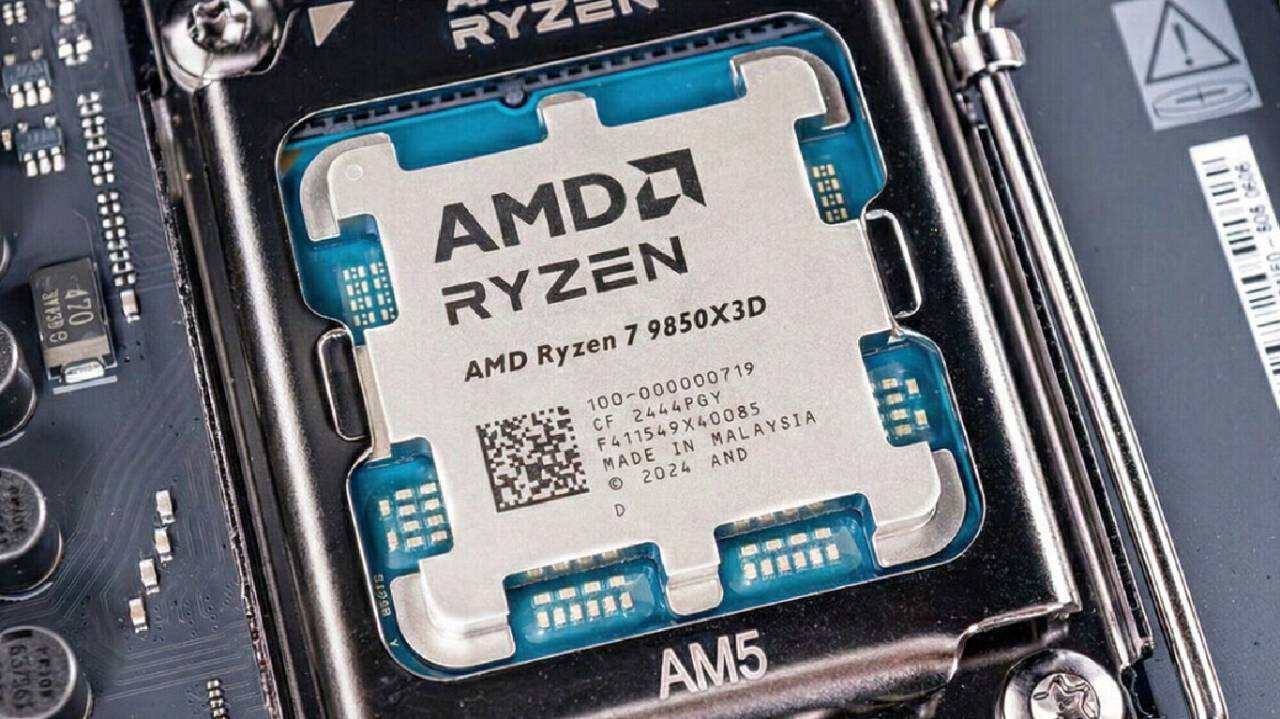
AMD is making new CPUs to compete with Intel's new Core Ultra series. Intel released new processors with more cores at competitive prices, prompting AMD to respond with its own launches. Competition remains a major driver of both firms' continued improvements.
The upcoming Ryzen 7 9750X and Ryzen 5 9650X may not seem significant at first, given only a 100MHz boost clock increase. But the base clocks get a bigger boost, rising by 400 MHz compared to their non-50 counterparts. This is about a 10% boost, which should lead to higher all-core performance over time.
AMD raised the TDP from 65W to 120W to do this. Intel's chips improve with more cores, while AMD's focus is on higher sustained performance. In the end, the price will decide how competitive these processors are in the market.
DLSS5 Controversy and Angry Gamers
A lot of people are upset with Nvidia's DLSS5 technology since it changed its purpose. DLSS5 differs from earlier versions because it uses AI to adjust how games look rather than just improving performance. This makes adjustments that could modify the original artistic purpose and the overall vibe.
The CEO of Nvidia said gamers are wrong to complain and stressed that DLSS5 blends generative AI with control over geometry and textures. But this answer doesn't adequately address worries about changes in how things look. Even if developers can make the AI better fit their artistic vision, there remain limits.
The fact that DLSS5 can work with Nvidia Streamline means that it can also work with older games using modding tools. This means that updates can be made without the original developer's help. Even though it's currently optional, similar technologies have in the past become standard requirements. Developers are using AI systems instead of spending money on design and world-building. This makes me even more worried about the long-term effects.
.jpg)
What Nvidia's Olympus Cores mean for the CPU Market
NVIDIA has released new ARM-based CPU cores called Olympus. These could affect the entire CPU market. These cores are already part of the Vera architecture. Still, they might one day show up in desktop and laptop computers for consumers.
One important feature is spatial multi-threading, which differs from the old ways AMD and Intel employed. Each thread gets its own part of the core, rather than sharing core resources through time slicing. This method fundamentally affects the way workloads are managed. The architecture also features a 10-wide instruction fetch and decode front end, along with neural branch prediction to improve single-threaded performance.
Final Thoughts
NVIDIA says that these cores can be up to 50% faster and up to 90% more efficient than x86 processors for some tasks. If these CPUs reach consumer platforms, they might bring new competitors into a market now mostly controlled by AMD and Intel.
Also, check our other hardware articles:
- AMD Ryzen 9 9950X3D Review: Setting The Standard For 2025 Gaming CPU
- Amazon Luna 2025 Review: Is Prime Gaming's Cloud Service Your Go-To For Casual Fun?
- AMD RX 9070 XT Review: AMD's RDNA 4 Champion for 1440p Gaming
- GeForce Now Ultimate: Ditching Your Gaming PC For Cloud RTX 4080 Power?
- NVIDIA GeForce RTX 5080 Review (2025): Still A 4K Gaming Powerhouse?
- Intel Core Ultra 9 285K Review And Performance Breakdown (2025)
- AMD Ryzen 7 9800X3D Review: 3D V-Cache Goes God Mode with Stunning Gaming Performance
- Intel Core Ultra 9 285K vs AMD Ryzen 7 9800X3D: In-Depth Gaming Performance and Benchmark Comparison
- NVIDIA GeForce RTX 5080 Super Performance In Cyberpunk 2077: Path Tracing & DLSS 4.0 Tested
- AMD Radeon RX 9070 XT In Cyberpunk 2077: Ray Tracing & FSR 4.0 Tested
- Intel Arc B580 Review: The $250 GPU Revolutionizing 1440p Gaming
- Intel Arc B570 Vs. B580: Value, Specs, And Real-World Gaming Performance
- RTX 5090 Laptop Vs. M4 Max MacBook Pro: Ultimate Raw Performance Vs. Battery Endurance
- Intel Arc b580 Vs. RTX 4060: Game Performance And Value Analysis
- RTX5090 Hell Is Us Demo 4K Ultra Benchmark: DLSS Vs. Native Performance Guide
- NVIDIA RTX 5070 Review: Mid-Range Muscle or Marketing Hype?
- Nintendo Switch 2 Review: Handheld Performance, Features & Value Breakdown
- RTX 5070 Ti Review: Performance, Thermals & Power Efficiency Tested
- Samsung Odyssey OLED G81SF Review 2025: Ultimate 32-Inch QD-OLED Gaming Monitor
- AMD RX 9070 Performance Review: Thermals, Clocks, and Real-World FPS
- AMD Ryzen 5 7600 Review: Best Budget Gaming CPU of 2025?
- AMD Radeon RX 7800 XT Review: RDNA 3 Power For Midrange Gaming
- Asus ROG RTX 5090 Astral OC Vs. Founders Edition: The 4K Gaming Benchmark
Editor, NoobFeed
Gaming Hardware Updates
No Data.