
ASUS Prime RTX 5070 Ti OC Review – Ultimate Small Form Factor 4K GPU
ASUS Prime RTX 5070 Ti OC redefines SFF builds with flagship performance silent operation and future ready display connectivity.
Hardware by Shinji Okazaki on Jan 03, 2026
The shortcomings of traditional case design continue to influence the design of high-performance systems, particularly in compact locations. As more people want small systems that can handle modern graphics workloads.
Hardware design is becoming increasingly focused on efficiency, compatibility, and next-generation architecture without making systems bigger.
A New Standard for Builds with Small Form Factors
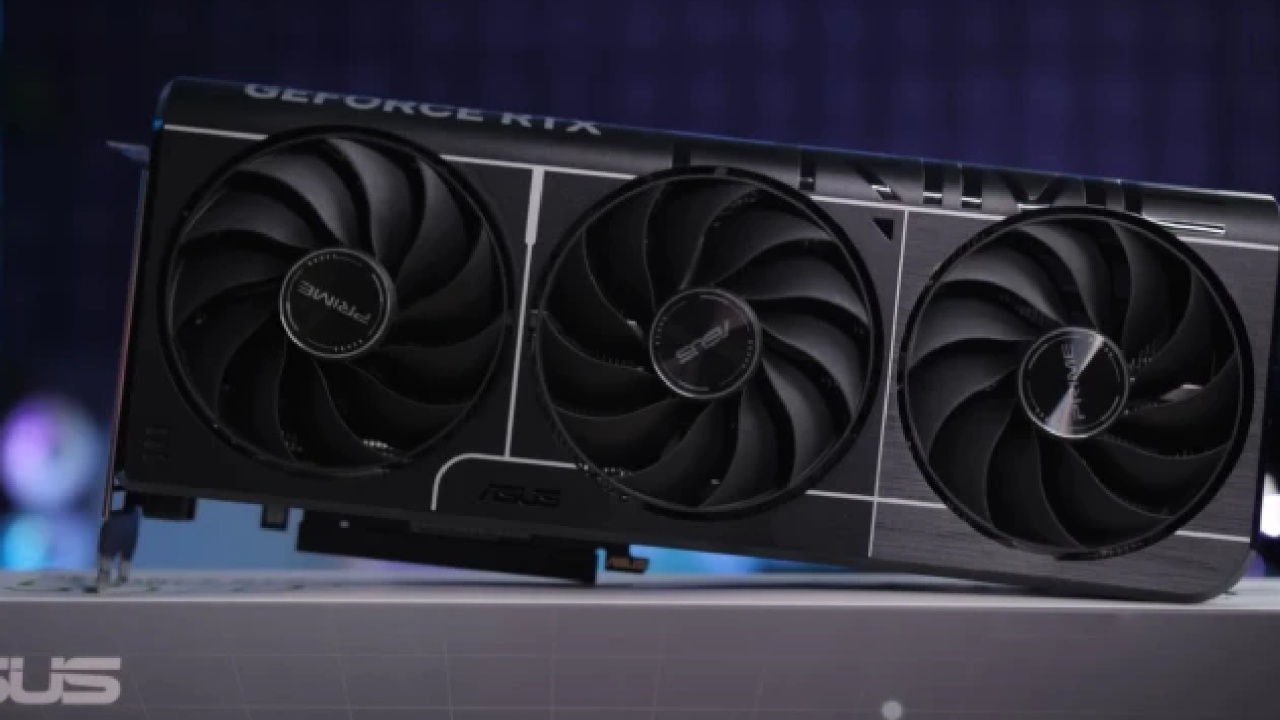
Are you ready to break the rules of traditional case design and put in a powerful graphics engine that won't give up size or speed? Stop giving up on high-performance goals for a smaller footprint and take charge with ASUS Prime GeForce RTX 5070 Ti OC Edition. We regard this card as a powerful SFF-ready option that can output 4K from both small and large rigs.
Blackwell Architecture and GDDR7 RAM
This is a big step forward in how well architecture works, thanks to the next-generation Nvidia Blackwell architecture and 16GB of GDDR7 memory. The memory setup gives the bandwidth and low latency that DLSS4 and neural rendering pipelines need to work. We depend on this combo to keep things consistent across tough scenarios and resolutions when you push modern workloads.
Compact Design That Doesn't Give Up Slots
The card features a 2.5-slot design that fits in cases without room for triple-slot graphics cards. We can fit it into narrower spaces without blocking airflow or impeding parts' movement. The physical profile is meant to allow small builds without changing the main performance goals.
Control of Heat and Clock Speeds that Stay the Same
A phase-change thermal pad and a triple axial-tech fan array work together to control heat. This setup is meant to maintain clock speeds steady at OC Edition levels. When you play games or render for a long time, you benefit from thermal behavior that stays the same rather than changing.
Connecting to the Interface and Display
The PCIe 5.0 interface sends performance data, and DisplayPort 2.1 sends it to the display. This lets us keep up with the bandwidth demands of modern displays while working with future monitor standards.
Two BIOS and Sound Management
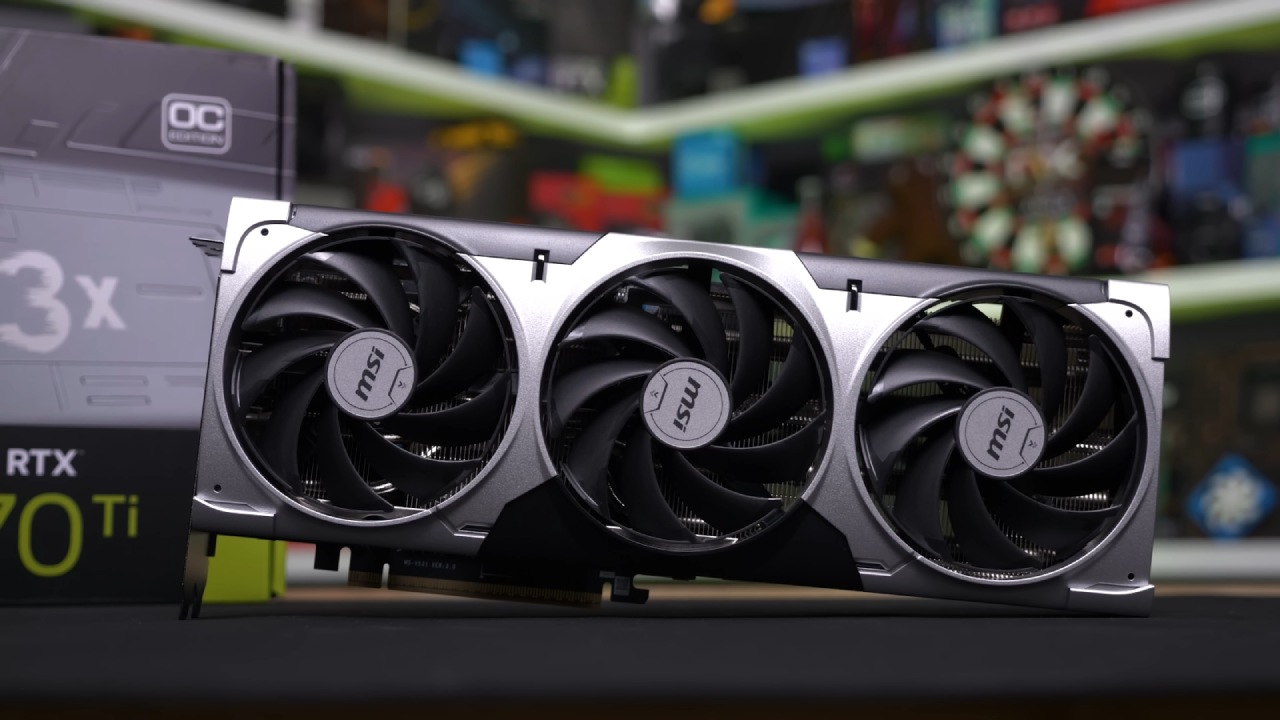
With dual BIOS support, you may switch between silent and performance modes right immediately. Zero-dB technology allows the fans stop when the workload is light, which cuts down on noise. The system operates more quietly when you're not doing hard things, and you don't have to change it.
Final Thoughts
The card's job isn't just to run software; it also has to match the needs of modern graphical workloads. When you plan a compact system, we don't think of the build as a trade-off in size; we think of it as an engineering challenge. ASUS Prime RTX 5070 Ti OC fits in with that way of thinking by focusing on compatibility, bandwidth, and long-term use.
Also, check our other AMD articles below:
- AMD Ryzen 9 9950X3D Review: Setting The Standard For 2025 Gaming CPU
- AMD Ryzen 7 9800X3D Review: 3D V-Cache Goes God Mode with Stunning Gaming Performance
- AMD RX 9070 Performance Review: Thermals, Clocks, and Real-World FPS
- AMD Ryzen 5 7600 Review: Best Budget Gaming CPU of 2025?
- AMD Radeon RX 7800 XT Review: RDNA 3 Power For Midrange Gaming
- Sapphire NITRO+ AMD Radeon RX 9070 XT Review: The Ultimate 4K Gaming GPU
- AMD Ryzen 7 7800X3D: Delivers Gaming Performance Far Beyond Expectations
- AMD Ryzen 9 7900X Review: Powering the AM5 Era with DDR5 & PCIe 5.0
- Intel Core i9‑14900K vs. AMD Ryzen 7 7800X3D: Power Profiles & Gaming Benchmarks
Editor, NoobFeed
Gaming Hardware Updates
No Data.