
Best CPUs for Console-Beating Gaming Performance
Modern game engines are exposing larger differences in CPU performance across varying workloads and frame rate targets.
Hardware by Shinji Okazaki on Jun 18, 2026
Modern games have different demands, and gaming CPUs come in all shapes and sizes. Consoles are still getting Zen 2 chips, but for PC gamers, expectations vary based on the type of game, desired frame rates, and the GPUs used with a system. Some processors are a better fit in certain circumstances, and even with high-powered graphics cards, the CPU's limitations can still show up.
With the relaunch of the Ryzen 7 5800X3D, the discussion around gaming CPUs has returned. AMD has overcome packaging problems to get the processor back. It has been revamped, however, and now costs $350, the final price for the AM4 platform.
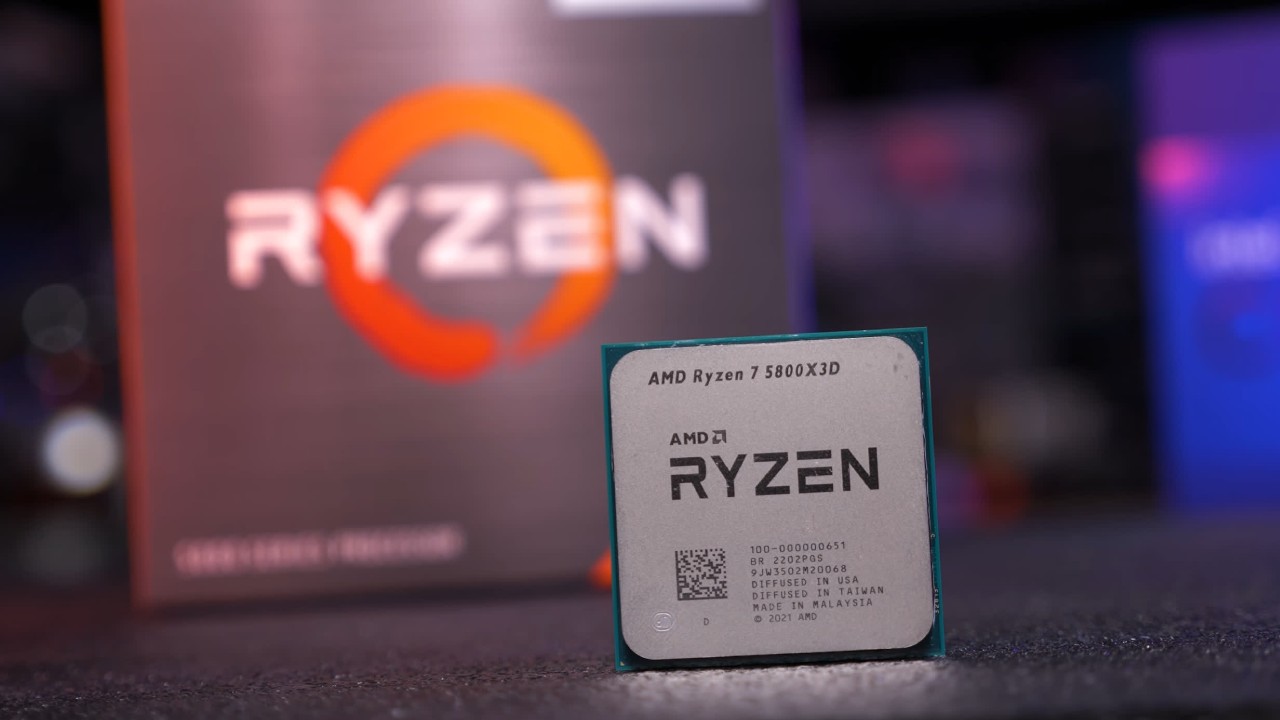
The Return of the Ryzen 7 5800X3D
The pricing is impossible to miss! Some alternatives have been seen, such as the Ryzen 7 5700X3D, which costs far less and delivers comparable performance. As a consequence, the 5800X3D's offering has evolved since its initial release. No set time that all games are CPU-bound. Every title has its unique characteristics. Some new games have higher-than-normal CPU demands.
At other times, even budget-friendly processors such as the Ryzen 5 5600 may fall short of console-grade Zen 2 performance, especially in crowded scenes. The number of CPUs is rising, and the ratio of processor to graphics card varies by game. What is a fast processor for one game may be too slow for another.
CPUs can be limited by the number of frames they can produce. If CPU bottlenecks are encountered, frame generation can increase frame rates. The greatest improvement occurs when the limiting factor is the processor. However, the added performance comes at the cost of increased latency, so there is no complete solution.
Even with top-of-the-line hardware, there is a limit for the CPU. Even with path tracing enabled and a GeForce RTX 5090 in 4K DLSS Performance Mode, processor limitations are evident. Examples such as these exemplify some of the demanding workloads of today's world.
Mid-range CPUs Continue to Deliver Playable Results
With processors such as the Ryzen 5 5600, we can see CPU bottlenecks, but performance will still stay in the 50 fps range. Many players will stick with that. Older Zen 2 parts, however, are starting to look their years. As game needs vary greatly, it is not easy to make a single recommendation. The processor you require will largely rely upon your type of titles.
Video games are a major component of the entertainment industry. Performance expectations differ for each player. Some users are interested in 360 Hz gaming and are willing to dial back graphics settings to achieve higher frame rates.
Others feel fine at 100 fps, 72 fps, or 60fps. You may be content with frame generation and making a 72 Hz experience a 144 Hz one. Others might prefer 144 Hz natively, which requires more powerful hardware. What is good enough is determined by personal preferences.
Even modern CPUs are more capable than console hardware. Moderate processors are already more powerful than console hardware. For those looking to exceed console specs, the Ryzen 7000 series processors or Intel 12th Generation Core chips are good places to begin. Most of these chips will offer good performance in today's games.
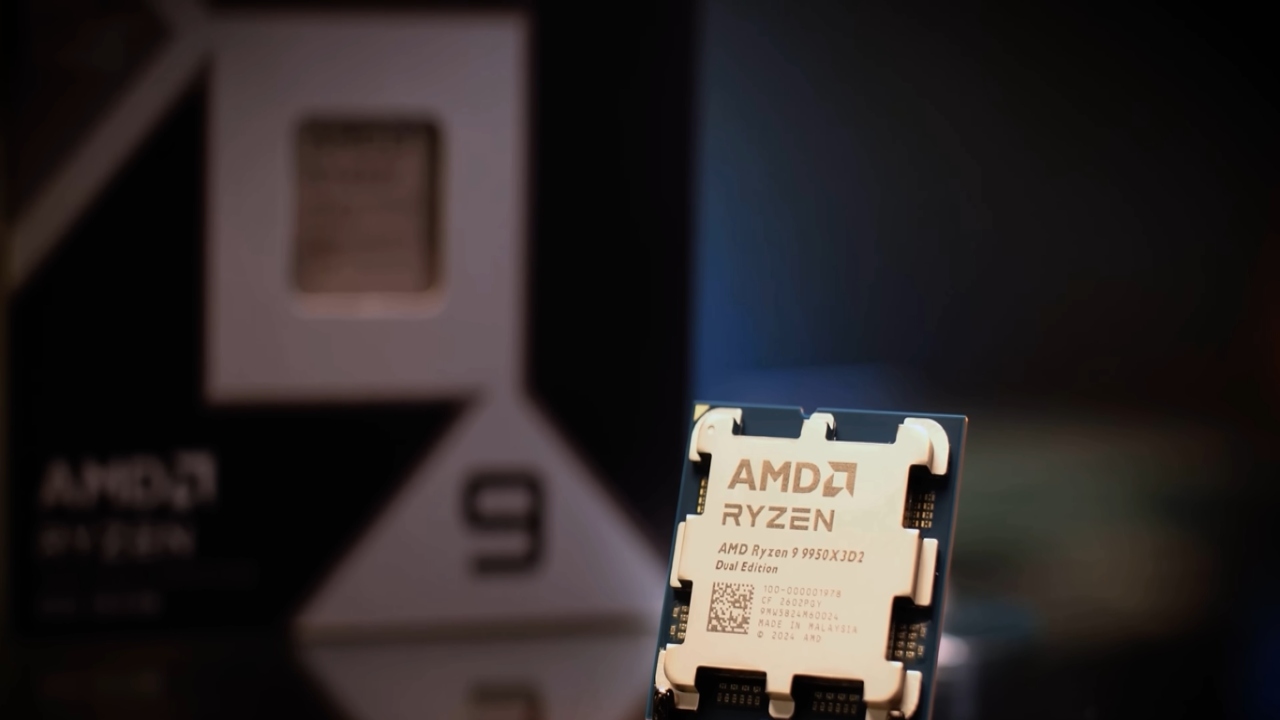
Ryzen 7000X3D or 9000X3D processors are available.
These chips deliver better performance in video games, particularly on more challenging titles. However, recommendations are based on the games you play. Some titles will stretch even the fastest processor available. When running above 60fps, CPU Bottlenecks become more noticeable. As soon as you're above 60 fps, CPU Bottlenecks become more noticeable.
Commonly, they involve CPU restrictions, and sometimes that is the primary performance limitation. This is clearly one of the reasons why the frame generation is still a useful tool. It adds extra flexibility and alleviates processor constraints. In general, present CPUs are well-balanced. The processors in both PCs and consoles are powerful enough for most applications. Most modern CPUs can handle 60 fps games quite well, so if that's your preferred gaming speed, you have no worries.
The main problems typically occur at higher frame rates, preferably above 60 fps. From then on, the processor's performance becomes critical. However, gaming on today's PCs and consoles is better than ever. It is still amazing to see what performance was squeezed from the previous Jaguar x86 chipset generation. It was impressive to reach 30 frames per second on those processors - much more noticeable today.
Editor, NoobFeed
Gaming Hardware Updates
No Data.