
Best Graphics Cards Under $300 Compared RTX 5060 vs RX 9060XT vs Arc B580
Entry-level graphics cards under $300 face growing VRAM limits while relying heavily on modern upscaling technologies.
Hardware by Shinji Okazaki on Dec 20, 2025
There are three main choices on the market right now for graphics cards costing less than $ 300 US. The Nvidia GeForce RTX 5060, the AMD Radeon RX 9060 XT 8 GB, and the Intel Arc B580 are all examples.
As DRAM prices rise significantly, lower VRAM versions may be the only GPUs still cheap in 2026. The most important question is which of these cards works best in real-world situations rather than ideal ones.
What to test and how to do it
The comparison focuses mostly on 1080p gaming because that's what entry-level GPUs in this price range are designed for. Modern games are using more and more memory, and even at 1080p, 8GB of VRAM isn't enough. So, each game was set up with the best preset that would fit in 8GB of VRAM, which usually meant medium or high settings. We evaluated native TAA rendering with each brand's upscaling solution, such as DLSS4, FSR4, and XeSS, in quality, balanced, and performance modes.
The image quality of different upscalers isn't the same; therefore, performance comparisons rely on the frame rates achievable rather than visual quality. We evaluated nineteen recent games using the latest game patches, drivers, and operating system updates. We tested all the GPUs at their stock speeds with a Ryzen 79800X3D system and 32GB DDR5-56000CL30 memory.
Setups for Hardware
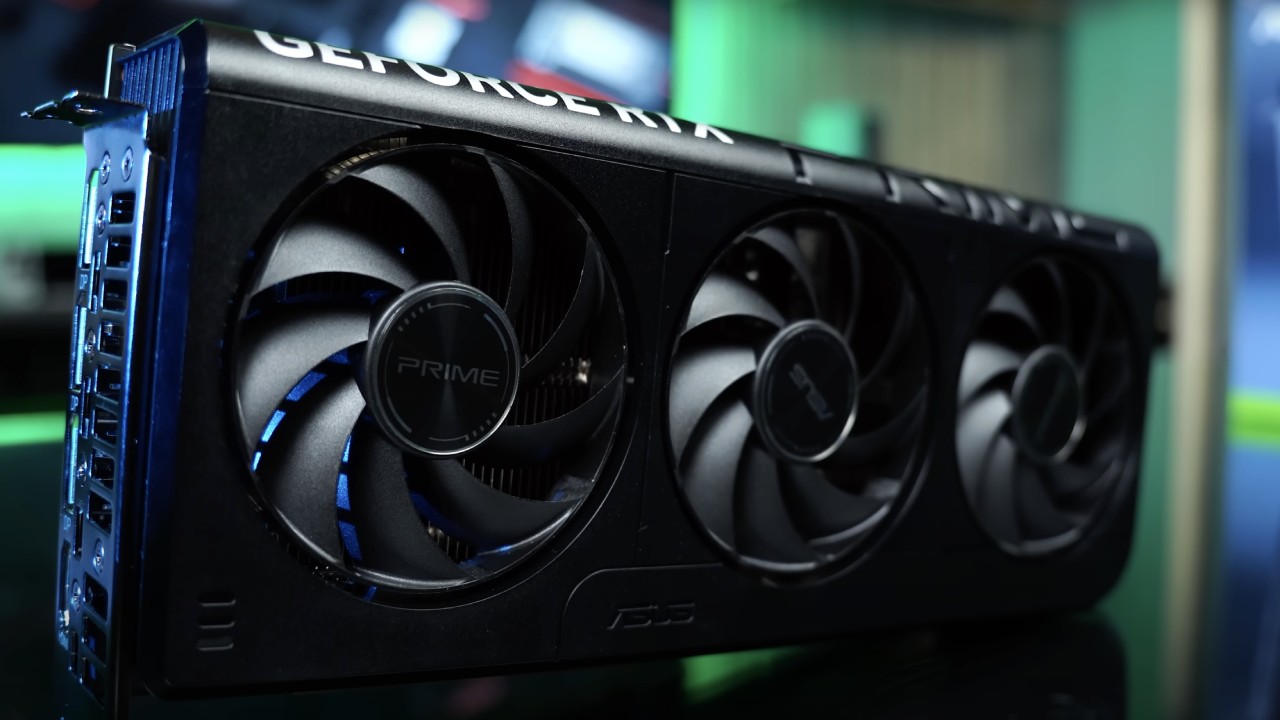
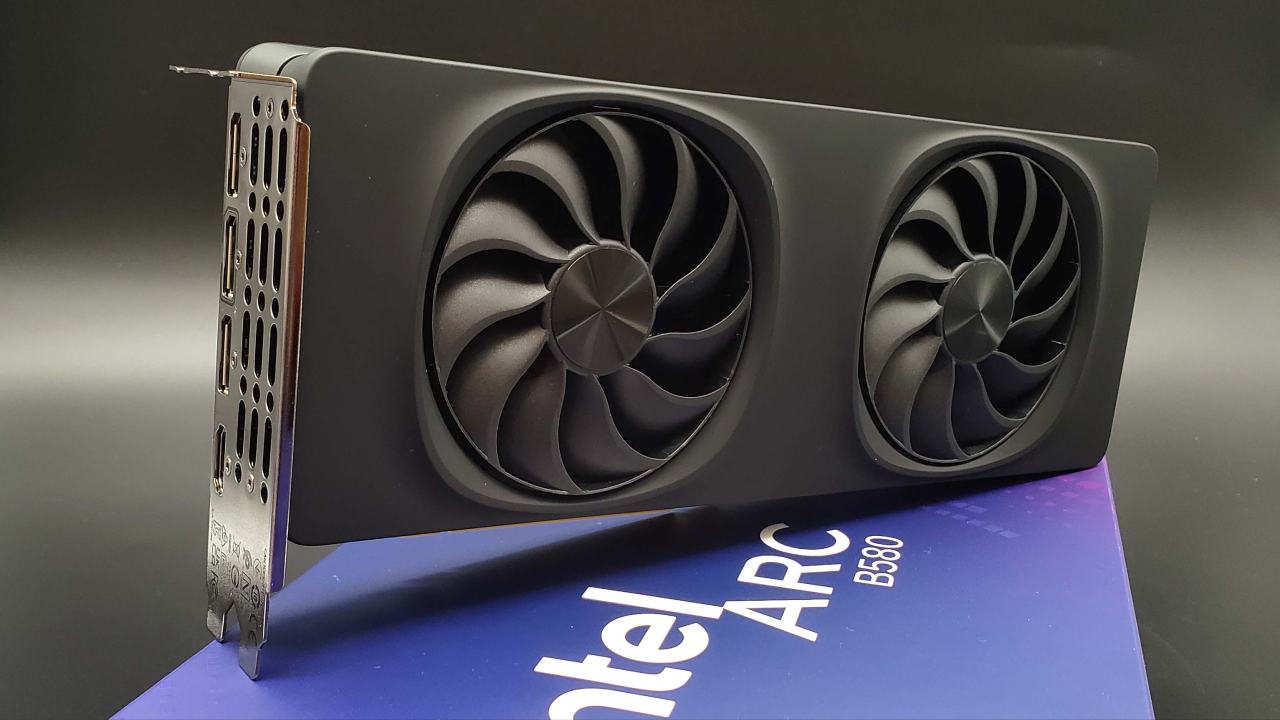
RTX 5060 tested was an Asus Prime OC model, and the RX 9060 XT 8 GB was a PowerColor Reaper model. Both were cheap versions close to the MSRP. Intel's reference-limited-edition design was used for the Intel Arc B580. We used the default settings to test each GPU and ensure they were identical.
Ratchet and Clank: Rift Apart
This game runs smoothly at 1080p on medium settings with 8GB of VRAM. Using native rendering, all three GPUs averaged more than 100 fps. RX 9060XT 8GB was the best performer, with around 15% more power than the RTX 5060 and about 22% more power than the Arc B580. B580's 12GB of VRAM lets you play at the highest settings at about 70 fps. You can choose between a greater frame rate and better graphics.
Spider-Man 2
Even with lower settings, the Arc B580 didn't work well. RX 9060XT 8GB was almost twice as quick and stayed 9% ahead of the RTX 5060 in both native and quality upscaling. It's possible to boost the AMD and Nvidia GPUs to higher levels; however, stuttering caused by VRAM restrictions makes them useless.
Assassin's Creed Shadows
This title only fits in 8GB of space at medium settings. In similar conditions, RX 9060XT 8GB was about 13% better than RTX 5060 and more than 50% faster than the Arc B580. The margins didn't change much when we upscaled, and the B580 struggled to maintain smooth performance even with XeSS enabled.
The Last of Us Part 2
To stay under 8GB, you need to use high settings. RX 9060XT 8GB was better than RTX 5060, but the Arc B580 struggled to maintain a steady low frame rate. B580, on the other hand, can run very high settings because it has a bigger VRAM buffer. With XeSS enabled, it can reach above 90 fps, but at the cost of image quality.
Ghost of Tsushima
This was the only game where the Arc B580 was as good as or better than the other GPUs, and it ran the extremely high preset well. RX 9060XT 8GB remained significantly faster than RTX 5060, further widening its overall performance lead in this price bracket.
Stalker 2
8GB GPUs are needed for high settings. With upscaling enabled, both RTX 5060 and RX 9060XT 8GB achieved about 100 fps, with performance virtually identical. The Arc B580 could handle epic settings without any VRAM issues, though it only hit about 60 fps. High settings were the best option for all GPUs.
Marvel Rivals
To avoid stuttering, the settings had to be high. In both situations, RTX 5060 was slightly better than RX 9060 XT 8 GB, but AMD's 1% lows were better. Even though it had more VRAM and could use higher presets, the Arc B580 was much slower.
Star Wars Outlaws
Every setting used more than 8GB of VRAM, meaning 8GB GPUs were always at a disadvantage. RX 9060XT 8GB usually performed better than RTX 5060 for native and quality upscaling. However, RTX 5060 performed better with lower upscaling options. The Arc B580 was even slower in most setups.
God of War: Ragnarok
All GPUs worked well with the extreme preset; however, the 8GB units gave VRAM warnings. RX 9060XT 8GB had the best performance, followed closely by RTX 5060. The Arc B580, on the other hand, was well behind in both averages and lows.
Call of Duty: Black Ops 7
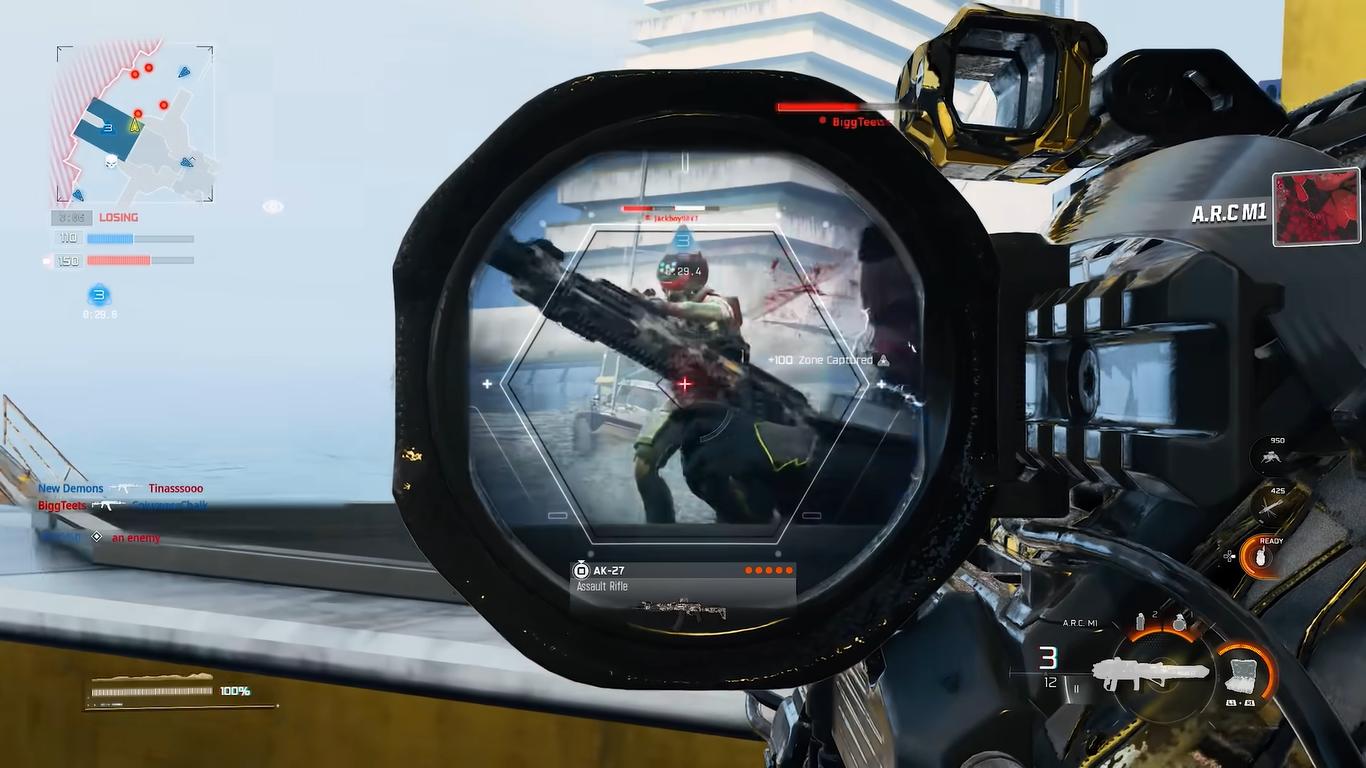
This title was quite good for Radeon hardware. RX 9060XT 8GB was about 30% faster than RTX 5060 and more than 70% faster than the Arc B580. Upscaling widened the margin, making this one of the best performances for the AMD card.
F125
All GPUs worked well at high settings, achieving frame rates over 200. The Arc B580 remained competitive and could run at super-high settings at about 90 fps, whereas the 8GB cards couldn't.
You could play Cyberpunk 2077 on 8GB GPUs at 1080p with ultra settings. RTX 5060 and RX 9060 XT 8 GB had almost identical performance, and the Arc B580 was only a little behind. Ray tracing ran at about 50 fps on the B580; however, 8GB GPUs stuttered in the same situation.
Hogwarts Legacy
8GB GPUs have to be set to medium to avoid problems. At these settings, the RTX 5060 and RX 9060XT 8GB were quite similar in speed and far quicker than the Arc B580. B580, on the other hand, could run ultra settings comfortably at lower frame rates.
Borderlands 4
All GPUs worked best with high settings. RX 9060XT 8GB and RTX 5060 traded the lead in performance depending on the rendering mode. Still, both were considerably better than the Arc B580.
Even at high settings, the Arc B580 didn't work very well. RX 9060XT 8GB was around 20% faster than the RTX 5060, and both were about twice as fast as the B580.
Arc Raiders
RTX 5060 was the clear winner in this championship, with performance that was almost 25% better than RX 9060XT 8GB and more than 50% better than the Arc B580. The amount of VRAM used stayed low; therefore, memory was no longer a limiting concern.
RTX 5060 had a noticeable performance edge; however, the Arc B580 performed well with XeSS enabled. The reduced internal rendering resolution made it clear that the image quality was different.
Arc B580 had trouble with ultra settings and only matched the performance of the other GPUs at their default settings. RX 9060XT 8GB stayed ahead of both competitors, especially at 1% lows.
Battlefield 6
All GPUs did well with high settings. RTX 5060 and RX 9060 XT 8 GB were very close, and both were much faster than the Arc B580. B580 could use higher settings, but only at lower frame rates.
A Look at Average Performance
When equipped with 8GB of VRAM, RX 9060XT 8GB was about 4% to 5% faster than the RTX 5060 across the entire game suite at 1080p. The performance difference remained the same for both native rendering and upscaling. On average, the RTX 5060 and RX 9060 XT 8 GB were about 30% faster than the Arc B580.
Limitations of VRAM and Long-Term Outlook RX 9060XT 8GB and RTX 5060 are mostly limited by VRAM, not by their calculation speed. At 1080p, both GPUs often exceed 120 fps at medium to high settings. Still, they can't improve visual quality further due to memory limits. Because it has 12GB of VRAM, the Arc B580 doesn't have this problem. It can run at higher settings and even 1440p in some circumstances, but its overall performance is worse.
As games require more VRAM, the 8GB devices will need to have their settings further reduced. Arc B580 may last longer in terms of memory capacity, as long as driver support continues to improve. However, its lower baseline performance restricts its lifespan in other ways.
Final Thoughts
The Arc B580 is the most flexible choice, especially because it costs less than $240 US. This is because it has greater visual settings or resolutions that need more VRAM. It has a lower cost-per-frame value at 1080p, but it lets you do things that the 8GB cards can't.
RX 9060XT 8GB and RTX 5060 are better choices if you usually prioritize higher frame rates and are okay with medium to high settings. There are just slight changes in performance between them, about 5%. RTX 5060 is better because it supports more DLSS features at the same price. RX 9060XT 8GB is a great deal if it is significantly cheaper.
In the end, all three GPUs require certain trade-offs. If you can afford it, a 16GB model is a better and more durable option. If not, the best solution depends on whether you care more about better settings or higher frame rates when you play games.
Also, check our other hardware articles below:
- AMD Ryzen 9 9950X3D Review: Setting The Standard For 2025 Gaming CPU
- Amazon Luna 2025 Review: Is Prime Gaming's Cloud Service Your Go-To For Casual Fun?
- AMD RX 9070 XT Review: AMD's RDNA 4 Champion for 1440p Gaming
- GeForce Now Ultimate: Ditching Your Gaming PC For Cloud RTX 4080 Power?
- NVIDIA GeForce RTX 5080 Review (2025): Still A 4K Gaming Powerhouse?
- Intel Core Ultra 9 285K Review And Performance Breakdown (2025)
- AMD Ryzen 7 9800X3D Review: 3D V-Cache Goes God Mode with Stunning Gaming Performance
- Intel Core Ultra 9 285K vs AMD Ryzen 7 9800X3D: In-Depth Gaming Performance and Benchmark Comparison
- NVIDIA GeForce RTX 5080 Super Performance In Cyberpunk 2077: Path Tracing & DLSS 4.0 Tested
- AMD Radeon RX 9070 XT In Cyberpunk 2077: Ray Tracing & FSR 4.0 Tested
- Intel Arc B580 Review: The $250 GPU Revolutionizing 1440p Gaming
- Intel Arc B570 Vs. B580: Value, Specs, And Real-World Gaming Performance
- RTX 5090 Laptop Vs. M4 Max MacBook Pro: Ultimate Raw Performance Vs. Battery Endurance
- Intel Arc b580 Vs. RTX 4060: Game Performance And Value Analysis
- RTX5090 Hell Is Us Demo 4K Ultra Benchmark: DLSS Vs. Native Performance Guide
- NVIDIA RTX 5070 Review: Mid-Range Muscle or Marketing Hype?
- Nintendo Switch 2 Review: Handheld Performance, Features & Value Breakdown
- RTX 5070 Ti Review: Performance, Thermals & Power Efficiency Tested
- Samsung Odyssey OLED G81SF Review 2025: Ultimate 32-Inch QD-OLED Gaming Monitor
- AMD RX 9070 Performance Review: Thermals, Clocks, and Real-World FPS
- AMD Ryzen 5 7600 Review: Best Budget Gaming CPU of 2025?
- AMD Radeon RX 7800 XT Review: RDNA 3 Power For Midrange Gaming
- Asus ROG RTX 5090 Astral OC Vs. Founders Edition: The 4K Gaming Benchmark
Editor, NoobFeed
Gaming Hardware Updates
No Data.