
GPU Market Is Broken but Ryzen 10000 and RTX 7000 Offer a Way Forward
Nvidia GPU shortages and rising prices continue reshaping the PC hardware market with limited relief in sight
Hardware by Masaru Hoshino on Feb 02, 2026
When it comes to GPUs, we're all doomed. People are switching back to Windows 10. The next big thing from AMD is shown. The Ryzen 10000 is everything that was expected and more. Everything could change with RTX 7000.
Right now, things are horrible. You are undoubtedly thinking about how crazy it sounds to pay $ 1,400 for an RTX 5080. These are not RTX 5080s, though. This is an RTX 5070 Ti card. The ones that were meant to cost about $750 now start at $1000, and that's only the beginning. Prices go up a lot from there.
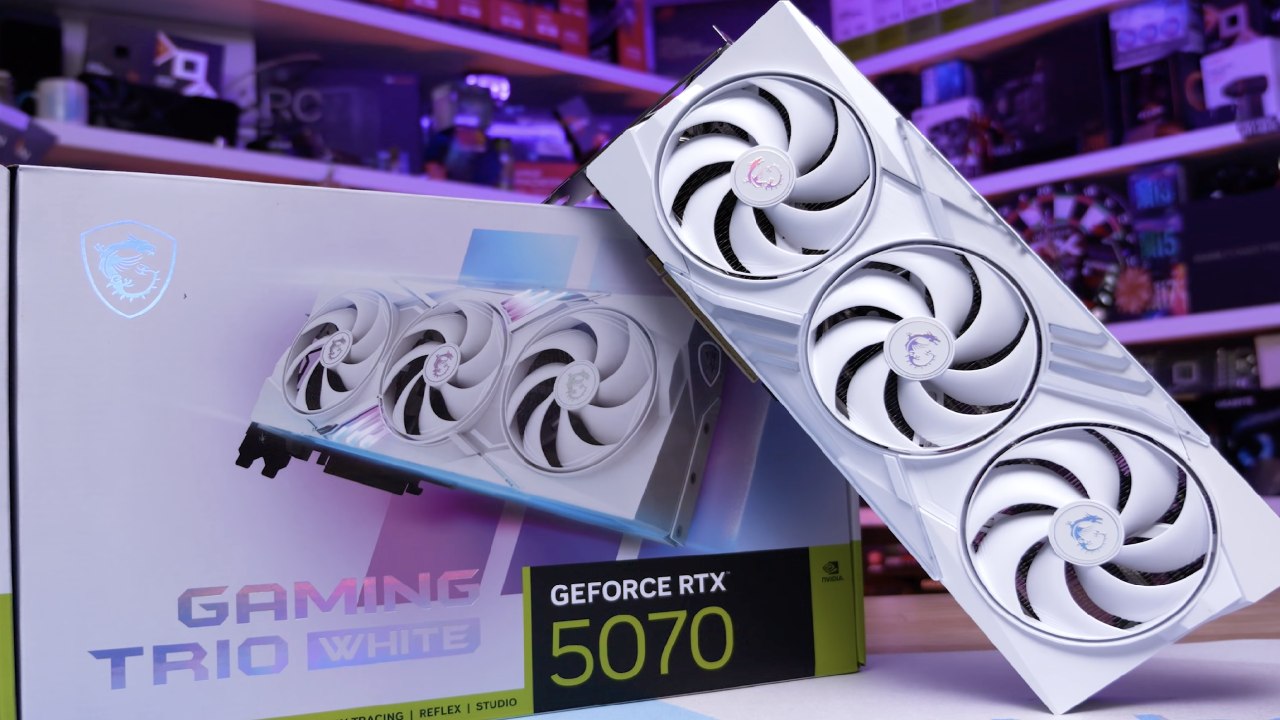
Hardware Unboxed said two weeks ago that ASUS told them Nvidia was basically killing the RTX 5070 Ti. NVIDIA publicly refuted it, insisting that production was still going on. But saying that they aren't cutting output so much that there is almost no supply makes that denial seem pointless.
A post on the Board Channels forum says Nvidia's upstream manufacturers are having trouble securing enough graphics memory, and that costs are rising. As a result, Nvidia and its AIC partners have changed their main sales plan for the first quarter of 2026.
They will be focusing on 8GB devices. According to sources inside the company, the RTX 5060 Ti 8GB will be the most popular model, followed by the RTX 5060 8 GB, and lastly the RTX 5070 series. These three models alone are estimated to account for over 75% of Nvidia's total GPU supply.
That implies the cards with the most negative reviews will be the most popular. Things don't seem good if you want to get a really good new GPU shortly.
Windows 11 Is Losing Ground
Windows 11 is not working well. User sentiment has changed a lot since the introduction of some of the most hated features in recent memory, such as Windows Recall and a strong push toward AI-focused enhancements.
According to StatCounter, Windows 10 is gaining market share while Windows 11 is losing it. This isn't just a short-term change. Windows 11 has been losing momentum steadily over the past two months, rather than bouncing back soon. Windows 7 is still around and doing better than Windows 8, which says a lot in itself.
In the past, Windows 10 had a huge market share as the newest OS. Over time, Windows 11 got stronger, as expected, and eventually passed it. That trend changed. Windows 11 went down sharply, then quickly recovered, but it has been steadily going down since then.
You presumably already know why if you use Windows 11. Microsoft keeps adding AI features that many customers don't want, rather than fixing basic problems and making the system more stable. People may keep using Windows 10 or go back to it until those priorities shift.
AMD 9950X3D2 Is Not a Rumor Anymore
You probably already know about AMD's 2.0 version of the 9950X3D, due out soon. If not, you might have missed prior talks about this chip, which is obviously on its way.
ASUS's general manager accidentally gave out further proof during a review of the Ryzen 9850X3D. A list of the 9950X3DV2 showed up on his screen. Some others name it 9950X3D2 instead of V2, but the point is apparent. This is no longer just a guess. The hardware is real.
Details about Ryzen 10000 and Zen6 come out
There is also proof of AMD's next-generation Ryzen 10000 CPUs. The source of the material is HXL, a leaker who has a good track record, especially when it comes to AMD.
The disclosure gives information on the Zen6 core complex dies. Infinity Fabric connects many tiny dies to make AMD CPUs. The leak says that each Zen6 CCD will have 12 cores. This means that Ryzen CPUs can have up to 2 CCDs, allowing up to 24 cores.
Each CCD should have 48 MB of L3 cache to support the higher core count. There are also rumors that the CPUs will use a more advanced TSMC node, which would mean more cores and a significant reduction in node size. The die size is reported to be roughly 76 mm², only slightly larger than the current version, even though the number of cores per CCD has increased from 8 to 12.
This could be one of the greatest Ryzen updates ever, and it's hard not to be thrilled about what Ryzen 10000 might bring.
NVIDIA, Intel, and the Future of RTX 7000
This last story could mean a big change in Nvidia's plans for future devices. DigiTimes says that both Apple and Nvidia are considering working with Intel to develop their next CPUs. Interestingly, Apple might use Intel for standard M-series CPUs but not for the Pro and Max versions.
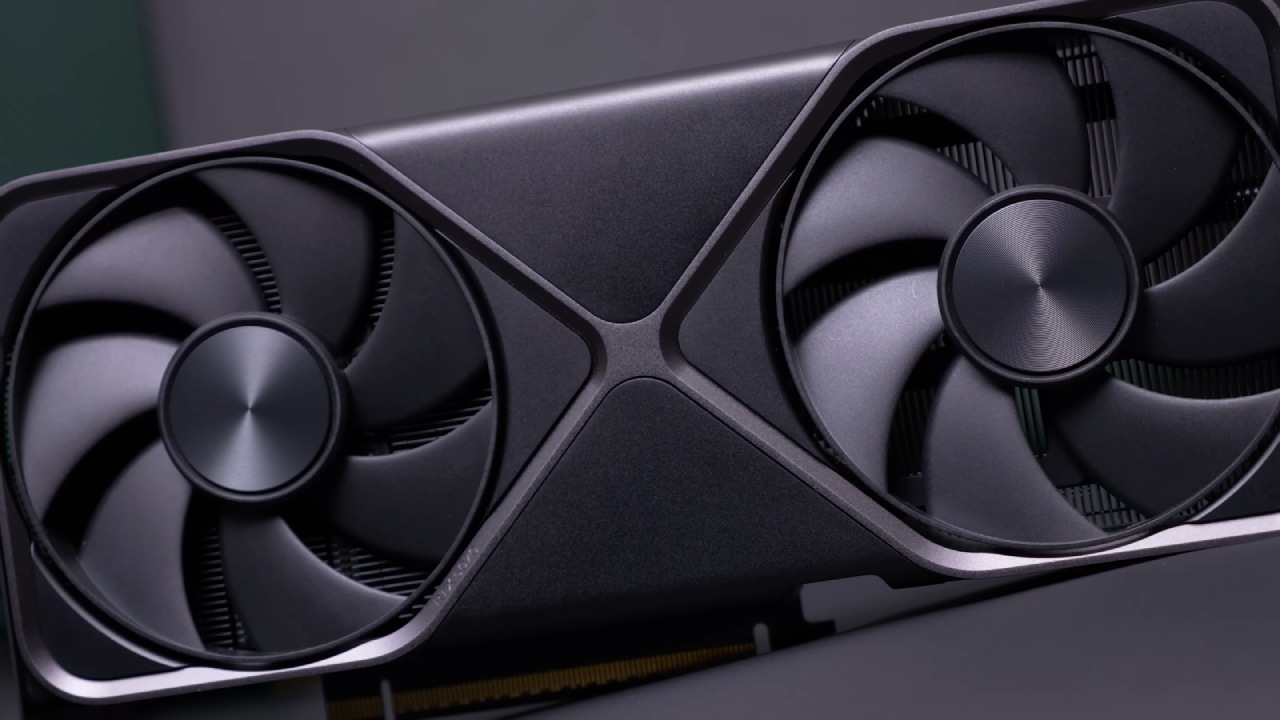
The Nvidia aspect is even more interesting. Reports say Nvidia is considering having Intel make the IO dies for its new GPU architecture, Fineman, which comes after Rubin. The report is mostly about AI accelerators; Nvidia often employs the same architectural ideas for both AI and gaming devices.
This suggests that Fineman could be a real multi-chip module architecture instead of just putting together big, monolithic dies. NVIDIA might use MCM designs in GPUs the same way AMD uses them to build CPUs from smaller chiplets.
If that happens, Nvidia might make compact, high-yield compute dies and combine them to make faster, higher-tier cards. That method might save significant costs and make scaling across product stacks easier.
Because of this, RTX 7000 might be made by Intel and based on an MCM design. Whether Nvidia really does this is still up in the air, but the fact that they might is one of the biggest changes in GPU design in decades.
The fundamental decision is whether you want Nvidia to use MCM GPUs and new manufacturing methods, or just want more of the current generation of cards to be available.
Also, check our other NVIDIA articles below:
- NVIDIA GeForce RTX 5080 Review (2025): Still A 4K Gaming Powerhouse?
- NVIDIA RTX 5070 Review: Mid-Range Muscle or Marketing Hype?
- RTX 5070 Ti Review: Performance, Thermals & Power Efficiency Tested
- ASUS GeForce RTX 5090 LC Liquid Cooled GPU Review: Unmatched Silence & Speed
- MSI GeForce RTX 5090 32GB SUPRIM SOC Review: Power Efficiency, Cooling, and Gaming Performance
- INNO3D RTX 5060 Ti 16 GB X2 Review: Gaming Benchmarks, Temps, and Power Efficiency
- HP Omen 45L Review: RTX 5090 Performance, Thermals, and Value Analysis
- ASUS TUF Gaming GeForce RTX 5060 Ti Review: DLSS 4, Power Efficiency, and Gaming
- ASUS Prime RTX 5060 Ti OC 16GB Review: DLSS 4, Ray Tracing, & Thermals Tested
- NVIDIA GeForce RTX 5060 Review: Specs, Gaming, and Cost per Frame
- MSI GeForce RTX 5090 GAMING TRIO OC Review: A Monster Power GPU
Editor, NoobFeed
Gaming Hardware Updates
No Data.