
Intel vs. AMD Roadmap—Titan Lake Serpent Lake Zen 6 and Future CPU Plans
Upcoming Intel and AMD processor designs signal major shifts in performance, efficiency, and platform strategy.
Hardware by Shinji Okazaki on Dec 22, 2025
AMD has largely outperformed Intel over the past two generations. This does not imply that Intel has not produced competent processors. Gamers continue to favor the 265K, and the 285K offers good performance as well. AMD, however, made several early strategic choices that influenced the current situation.
Performance and efficiency were gradually increased with Zen 2, the switch to chiplets, the addition of X3D V-Cache, and the ongoing development of the Zen architecture. At the same time, the cost of PC gaming keeps rising, and the market is harmed by reliance on a single major company. For the industry to remain balanced over the long run, increased competition and advancements in Intel Foundry are crucial.
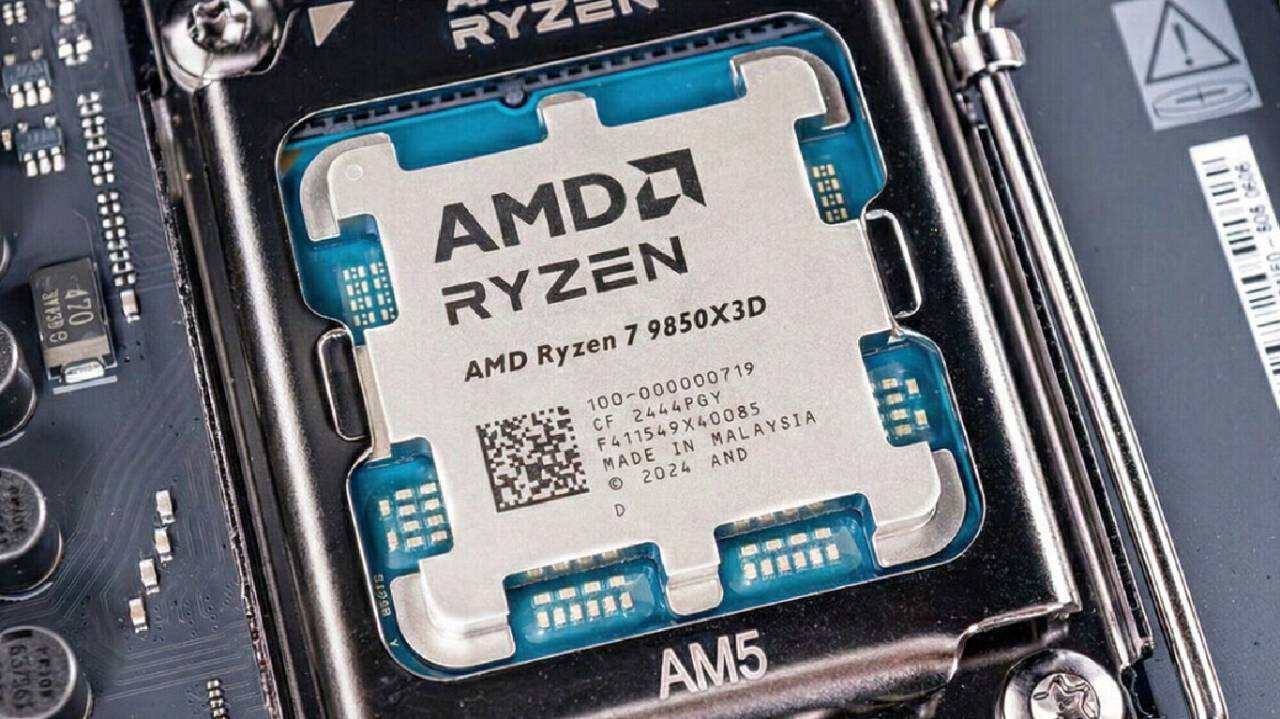
AMD and Intel's Most Recent Updates
Understanding the current refresh cycle is helpful before examining future architectures. Based on our current understanding, there is little chance that the general state of affairs will change substantially anytime soon. With a few minor adjustments, the designs of Intel's Arrow Lake refresh and Zen 5 refresh components are essentially the same.
Retailers are already offering Intel processors, such as the 290K. For instance, the 270K adds four additional E-cores while closely resembling the 265K. Faster supported memory speeds up to 7200, faster clock frequencies on both P-cores and E-cores, and selective improvements in E-core counts across specific SKUs are the key sources of Intel's performance advances.
AMD has verified the Ryzen 9850X3D, and it is now available in drivers. With somewhat higher clock frequencies, it is very similar to the 9800X3D. If the alleged 9950X3D 2 is real, it will have two CCDs that leverage X3D V-Cache. Although it's unknown how twin X3D CCDs would affect gaming, workloads that benefit from cache and core count would benefit.
Anticipating the Next Generation
Beyond simple updates, Zen 6 and Intel's Nova Lake paved the way for more significant adjustments. Nova Lake's core configuration makes it very significant.
According to what we're hearing, the E-cores are robust, but the P-cores might experience an IPC rise of about 15%. Although actual performance will depend on clocks and production realities, that value probably applies to non-BLLC variants as well.
On paper, the AMD Zen 6 offers significant improvements, with claims of up to 70% in performance and efficiency. It is anticipated that Medusa-class CPUs would provide up to 24 cores and 48 threads. Redesigned integer execution units and architectural modifications have led to significant improvements in IPC. One significant benefit is that AM5 compatibility lets you upgrade from Zen 4 or Zen 5 without having to switch systems.
Creating the Conditions for Razer Lake and Titan Lake
Intel's longer-term strategy, which includes Titan Lake, Razer Lake, and subsequent designs, is framed by an understanding of present and next-generation devices. Titan Lake is frequently misinterpreted. An improved version of Razer Lake has replaced the original designs, which called for a unified architecture.
Mobile platforms are Titan Lake's primary focus. It is anticipated to have a new NPU, SoC upgrades, support for LPDDR5X or LPDDR6, and an iGPU based on Xe3P with up to 12 Execution Units on higher configurations. There are conflicting reports regarding the support for both memory standards or just LPDDR6. Titan Lake is an iterative design rather than a major break from previous generations' advancements.
Core Evolution and Razer Lake
Intel's plan becomes clearer with Razer Lake. With 16P, 32E, and four LP cores, the core configuration is anticipated to be identical to that of Nova Lake. The performance targets suggest 15% improvement in P-cores and double-digit IPC gains. The E-cores, which are anticipated to experience greater relative increases and take on a more significant role in the future, are the true focus, though.
Although clock speeds are still unknown, the design approach emphasizes scalability and efficiency over sheer frequency. When considering Intel's long-term unified core intentions, this change becomes even more significant.
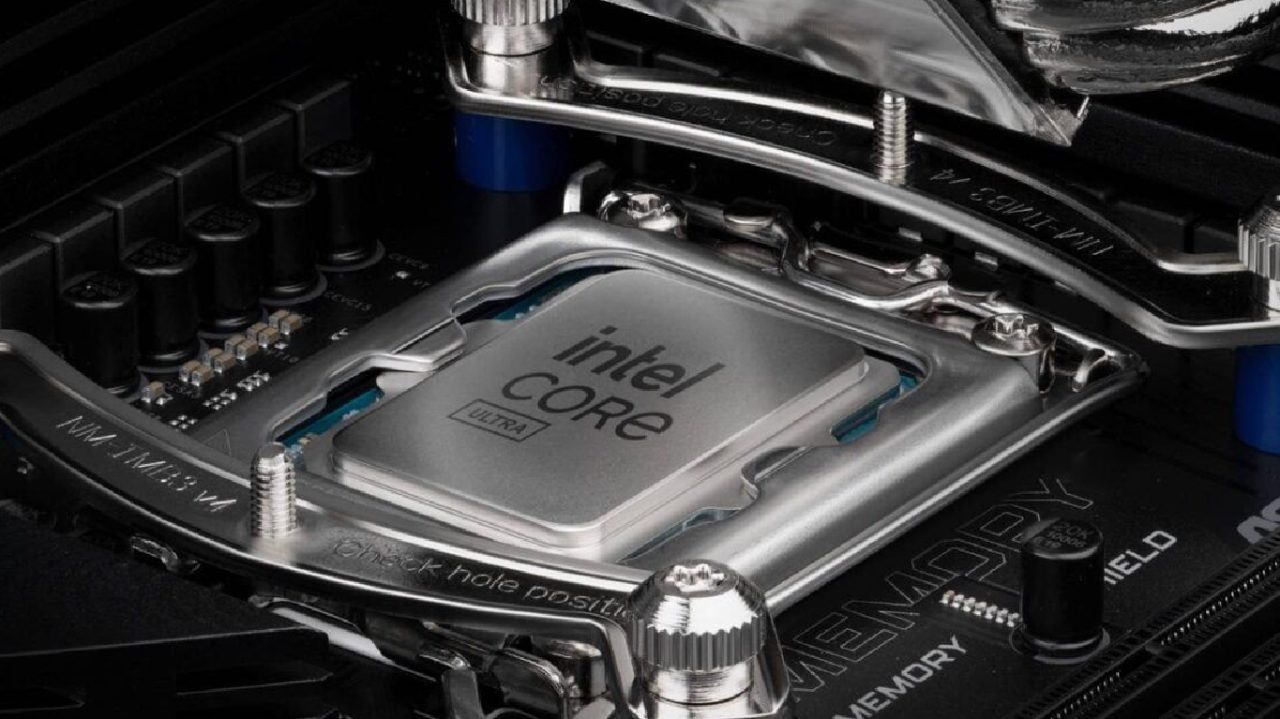
The Unified Core Design and Hammer Lake
Intel's first truly unified core architecture is called Hammer Lake. Release dates are set until at least 2029, though there may be delays. This design is currently under development and far from retail silicon.
Teams now in charge of E-core development are purportedly designing hammer cores. Intel is expected to shift away from the conventional P-core and E-core segmentation toward a model more akin to AMD's, such as the Zen and Zen+ architectures. Instead of depending on essentially distinct core types, core clusters, cache sizes, instruction sets, and feature blocks, these components will be adjusted to segment products.
It's still unclear how Hyper-Threading is doing. According to some sources, it may remain restricted to server-grade components. In contrast, others point to a return to mainstream components. The trade-offs may still be being considered by Intel itself.
Serpent Lake and the Partnership between Intel and Nvidia
Serpent Lake, the result of the announced partnership between Intel and Nvidia, is one of the more intriguing developments. An Nvidia GPU and an Intel CPU are anticipated to be combined in Serpent Lake. Development is continuing, but release is not assured.
The GPU component may be manufactured on TSMC N3P and is likely based on a Rubin-class design. Although that is still up in the air, Intel would like to manufacture internally. Although the final specifications are still unknown, Serpent Lake is expected to be based on the Titan Lake architecture on the CPU side.
AMD's Strix Halo and Medusa Halo designs are the most similar. Compact systems, handheld gadgets, laptops, and tiny PCs with powerful integrated GPU capability are now possible.
Pricing and Market Outlook
Over the coming generations, competition among AMD, Intel, and Nvidia may help stabilize prices. Memory costs remain a concern, though, depending on market conditions, forecasts point to an improvement sometime between late 2026 and 2027.
Pricing pressure may lessen by the time Zen 6, Zen 7, and items like Serpent Lake are released. Sustained competitiveness and advancements in manufacturing throughout the sector are critical to that result.
Final Thoughts
The designs of CPUs and SoCs will rapidly evolve in the upcoming years. The battle is expected to get tougher as AMD continues its architectural momentum and Intel shifts its strategy. If the deployment goes as planned, people will have more choices, be more productive, and eventually pay fairer prices on all platforms.
Also, check our other Intel chips Articles below:
- Intel Core Ultra 9 285K Review And Performance Breakdown (2025)
- Intel Core Ultra 9 285K vs AMD Ryzen 7 9800X3D: In-Depth Gaming Performance and Benchmark Comparison
- Intel Core i5-13400F Gaming Performance: Still Worth It in 2025?
- Intel Core i9‑14900K vs. AMD Ryzen 7 7800X3D: Power Profiles & Gaming Benchmarks
- Intel Core i9 14900K: Specs, Benchmarks, and Competitor Comparison
- Intel Core Ultra 5 245K Review: Gaming, Productivity & Power Efficiency Tested
- Intel Core Ultra 9 285 K's iGPU Gaming: In-Depth Benchmarks & Analysis
- Intel vs. AMD Gaming Laptop: Performance, Thermals & Battery Life Compared
- AMD Ryzen 7 9800X3D vs.7800X3D vs. Intel Core Ultra 7 265K: Gaming, Thermals & Price Analysis
Editor, NoobFeed
Gaming Hardware Updates
No Data.