
Lenovo Legion Go Fold Specs Leak: 32GB RAM, 48Wh Battery, Intel 258V
Lenovo’s Foldable Ambition Could Merge Laptop Productivity With Dedicated Handheld Gaming Power
Hardware by Tanisha Aria on Mar 08, 2026
Lenovo is working on a very ambitious foldable handheld device that can transform from a small laptop to a gaming device. Recent leaks point to a hybrid form factor that combines features of a folding PC and a detachable handheld controller.
Even without any public details yet, the idea itself is enough to get people talking about where portable gaming hardware might go next.
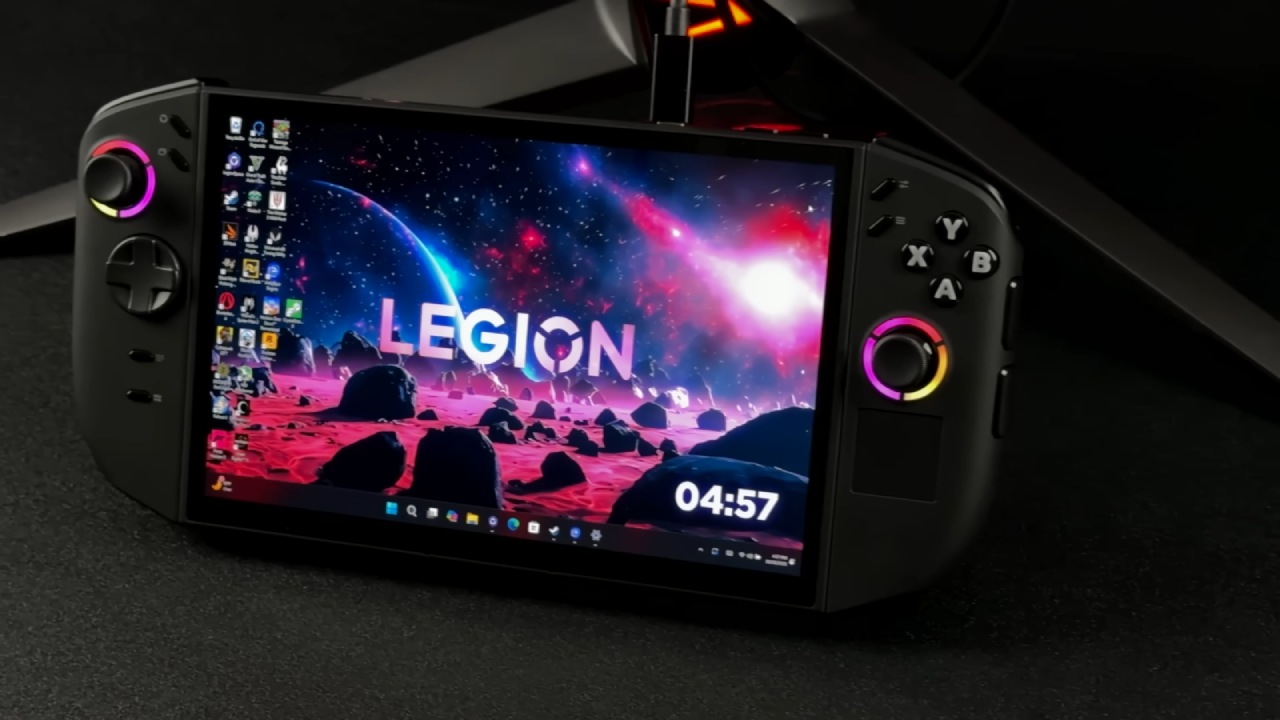
Lenovo's Track Record With Experimental Hardware
Lenovo isn't afraid to bring new, unusual ideas to the market. The ThinkPad X1 Fold was the first folding PC with a flexible OLED screen, which set it apart. Foldable computing was brought to the masses in a way that seemed advanced at the time. Users could switch between laptop and tablet modes.
Lenovo's Lenovo Legion Go made news in the handheld market as well. It had detachable controllers and a special FPS mode that turned the right controller into a mouse-like input device. Even though detachable controls had been seen before, Lenovo's version made the idea more appealing to regular users. It is believed that the Lenovo Legion Go 2 will build on that foundation even more.
But not every big idea has made it to stores. The Lenovo C Plus had a fully bendable screen that could wrap around the wrist, but people never got to buy it. This past helps us remember that, even though Lenovo tries many new things, not all of its ideas become finished products.
A Foldable That Transforms: Laptop to Handheld
The rumored gadget, sometimes called the Lenovo Legion Go Fold, is designed to work in multiple ways. It is said to have an 11.6-inch folding PLED display and a detachable keyboard in its expanded form, which makes it look like a small laptop.
When the keyboard is removed, the 11.6-inch screen can be turned into a full-screen handheld mode with controllers on the sides. This already puts it up against handheld game systems with big screens.
The folding display, on the other hand, is what makes it unique. Reports say that the device can be shrunk down to a more portable 7.7-inch size by folding the 11.6-inch screen in half.
When you attach the controls, the system gets smaller and easier to carry. This ability to switch between two sizes could let you pick between more immersive big-screen gaming and easier portability, based on the situation.
Leaked Specifications and Performance Expectations
It has been said that the gadget might be powered by the Intel Core Ultra 7 258V. This chip has already been used in products like the MSI Claw 8 AI+ and has been shown to work well. It's a strong competitor to AMD's high-end handheld chips in many situations, providing good game performance and higher efficiency thanks to regular ARC driver updates.
The rumored configuration has 32GB of RAM, which is more than enough for current productivity and gaming tasks. The foldable PLED monitor can range from 7.7 to 11.6 inches, making it even more useful.
A small screen built into the right controller that can be used as either a touchpad or a mouse interface is a very odd design feature. Some users might prefer a standard touchpad like the ones on Legion Go devices to a second mini-display, even though the latter is an interesting idea.
It is said that the battery can hold about 48Wh. This smaller battery may not be the best choice for a foldable gadget because it is thin and light. For many mobile fans, battery life is still very important, and 48Wh might not seem like enough when compared to competitors that are bigger and put durability over slimness.
.jpg)
Panther Lake Question
The Intel Core Ultra 7 258V is a fast processor. Still, some people think that Intel's next-generation Panther Lake design could make a future version even better. There are rumors that Panther Lake will have a B390 iGPU, which could make handheld games much faster. If Lenovo wants to be the leader in the high-end market, adding a more powerful next-generation chip could really set this foldable idea apart.
Still, Intel's ongoing work to improve the ARC driver is already making games run better on current Lunar Lake hardware. For many users, steady driver gains can make the hardware they're using feel newer for longer.
Who Is This Device Really For?
For portability's sake, some mobile gamers prefer smaller screens, while others prefer larger ones for a more immersive experience. Both groups might appreciate the ability to switch between 7.7in and 11.6in modes. It could be used as a laptop for work and media, and then folded down into a small handheld for gaming.
Performance and energy life are still very important, though. For many fans, experimental form factors are less important than larger batteries and better performance. If price becomes very important, buyers might wonder if the foldable form is worth giving up some raw power or endurance.
Final Thoughts
It's said that Lenovo's Legion Go Fold will be an experimental foldable PC designed to work with handheld gaming hardware. It sounds very bold: a foldable screen that can be used from 11.6 to 7.7 inches, detachable controllers, 32GB of RAM, and an Intel Core Ultra 7 258V processor.
The biggest unknowns are still the final price, how long the battery will last, and how durable the folding screen will be in real life. If all those things come together just right, we might see a truly unique addition to the handheld market. If it doesn't, it might stay a cool idea that shows what's technically possible without becoming popular.
As foldable technology improves and mobile processors get more powerful, hybrid devices like this could become the next big thing in portable gaming. How well Lenovo strikes a mix between new ideas and everyday usability will determine how well this model does.
Also, check our other hardware articles:
- AMD Ryzen 9 9950X3D Review: Setting The Standard For 2025 Gaming CPU
- Amazon Luna 2025 Review: Is Prime Gaming's Cloud Service Your Go-To For Casual Fun?
- AMD RX 9070 XT Review: AMD's RDNA 4 Champion for 1440p Gaming
- GeForce Now Ultimate: Ditching Your Gaming PC For Cloud RTX 4080 Power?
- NVIDIA GeForce RTX 5080 Review (2025): Still A 4K Gaming Powerhouse?
- Intel Core Ultra 9 285K Review And Performance Breakdown (2025)
- AMD Ryzen 7 9800X3D Review: 3D V-Cache Goes God Mode with Stunning Gaming Performance
- Intel Core Ultra 9 285K vs AMD Ryzen 7 9800X3D: In-Depth Gaming Performance and Benchmark Comparison
- NVIDIA GeForce RTX 5080 Super Performance In Cyberpunk 2077: Path Tracing & DLSS 4.0 Tested
- AMD Radeon RX 9070 XT In Cyberpunk 2077: Ray Tracing & FSR 4.0 Tested
- Intel Arc B580 Review: The $250 GPU Revolutionizing 1440p Gaming
- Intel Arc B570 Vs. B580: Value, Specs, And Real-World Gaming Performance
- RTX 5090 Laptop Vs. M4 Max MacBook Pro: Ultimate Raw Performance Vs. Battery Endurance
- Intel Arc b580 Vs. RTX 4060: Game Performance And Value Analysis
- RTX5090 Hell Is Us Demo 4K Ultra Benchmark: DLSS Vs. Native Performance Guide
- NVIDIA RTX 5070 Review: Mid-Range Muscle or Marketing Hype?
- Nintendo Switch 2 Review: Handheld Performance, Features & Value Breakdown
- RTX 5070 Ti Review: Performance, Thermals & Power Efficiency Tested
- Samsung Odyssey OLED G81SF Review 2025: Ultimate 32-Inch QD-OLED Gaming Monitor
- AMD RX 9070 Performance Review: Thermals, Clocks, and Real-World FPS
- AMD Ryzen 5 7600 Review: Best Budget Gaming CPU of 2025?
- AMD Radeon RX 7800 XT Review: RDNA 3 Power For Midrange Gaming
- Asus ROG RTX 5090 Astral OC Vs. Founders Edition: The 4K Gaming Benchmark
Contributor, NoobFeed
Gaming Hardware Updates
No Data.