
Memory Shortage Reshapes PC Hardware Plans and GPU Release Timelines
Memory constraints ripple through GPUs, system builders, and upcoming platforms as pricing pressure reshapes the PC ecosystem.
Hardware by Shinji Okazaki on Feb 08, 2026
The crisis with PC memory and hardware in general is still going on, and it looks like it will get worse. Launches that were planned, such as the Steam Machine and NVIDIA and Intel GPUs, are being delayed or canceled. Even while things seem bad, there are still a few signs that progress is being made on some of the bigger problems in the hardware sector.
Some businesses are backing away from their promises to make AI-related deals, while others are listening to customers who don't want AI to be part of everything. Some technologies that will be available in the future may help ease the burden on AI data centers that consume significant global hardware resources.
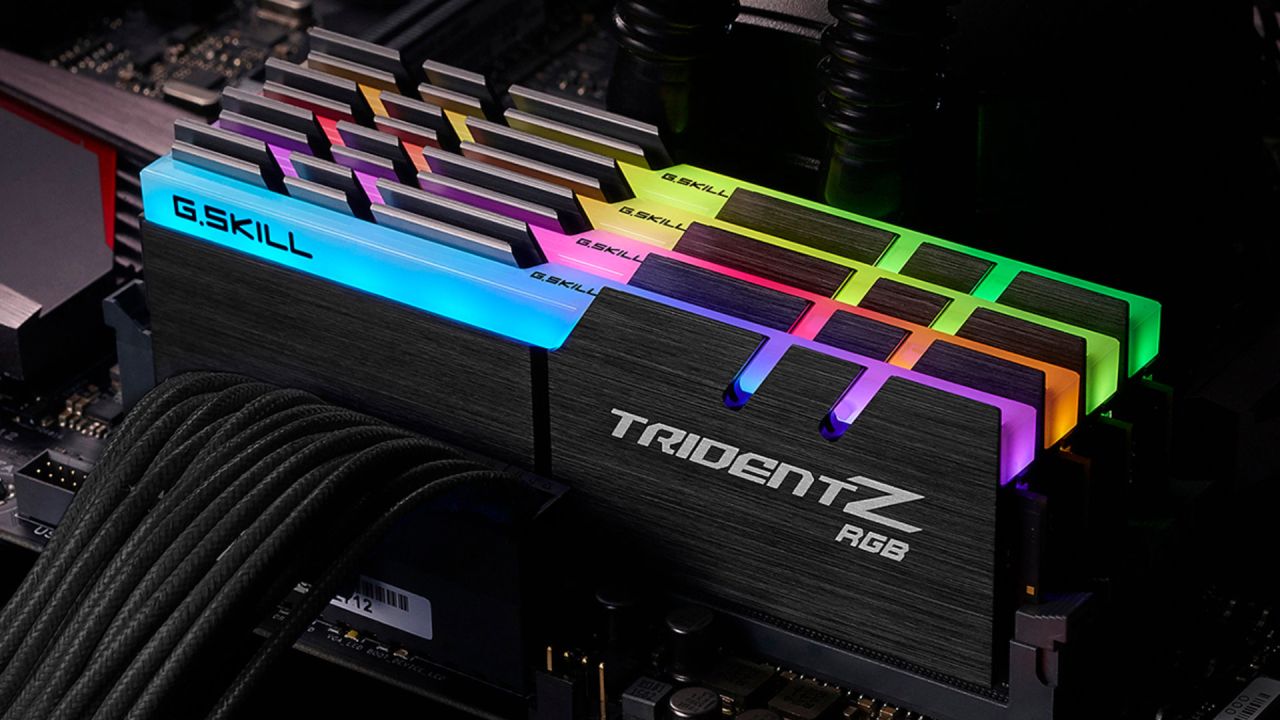
Prices for RAM Keep Going Up
The shortage of RAM and PC parts is still far from over. Counterpoint Research, a research organization, published a report warning of a record-breaking rise in memory prices from Q42025 to Q12026. Prices will increase by 80% to 90%, on top of the already rising prices from late last year. This price rise is causing people to worry they might not be able to afford personal computers at all.
When asked about the health of the consumer PC industry, AMD CEO Lisa Su said the higher-end and enterprise segments are still growing, even as consumer demand declines. In the meantime, major PC makers and system integrators are racing to secure RAM. HP, Dell, Acer, and Asus are now cooperating with Chinese memory maker CXMT, which used to push for lower prices.
CXMT raised prices to make more money, so those lower prices are no longer available. At the same time, the prices of raw materials like copper, tin, and aluminum are rising, which is making hardware costs even higher.
Valve Says Steam Machine Will Be Late
Valve launched the Steam Frame VR headset and the Steam Machine tiny PC in November, when RAM prices were rising. People were worried at the time because there were no prices or debut dates. Valve later addressed these concerns in a news post, saying there would be delays but still aiming for a launch window in the first half of 2026.
Valve said that when the products were first introduced, the business thought it would be able to discuss detailed price and launch details by now. However, plans have changed. Valve has joined other system integrators in saying that costs may have to rise due to current market conditions. However, there are still no set pricing or delivery dates.
Plans for NVIDIA GPUs are on Hold
According to reports, NVIDIA's RTX 50 Super refresh was initially scheduled to launch in Q12026. But reports say NVIDIA administrators had to adjust their plans in December due to global memory shortages. These sources say that NVIDIA might not release any new gaming GPUs in 2026. This would be the first time in 30 years that this has happened. There is still no new timeline for the RTX50 Super lineup.
The next-generation RTX60 series, based on the Rubin architecture, was projected to enter mass production by the end of 2027. If things go well, mass manufacturing may not start until 2028.
Uncertainty about the Intel ARC GPU
Intel's ARC GPUs were a third option to NVIDIA and AMD's duopoly, but things haven't been going well lately. People were waiting for the ARC B770 to be announced, but it never came. Leaker SquashBionic says the GPU is not financially viable because Intel is focusing on professional and enterprise GPUs that generate more revenue.
Because of these accusations, the ARC B770 might not come out for a long time. A lot of people have now given up on GPUs, making it much harder for gamers to find what they want.
Hardware Reliability Gives Us Some Peace of Mind
Even though many people are worried about hardware breakdowns, anecdotal evidence doesn't necessarily show how reliable things are in the real world. Puget Systems, a system integrator, exchanged reliability statistics from thousands of constructed systems.
In 2025, both the Intel Core Ultra 200S and the AMD Ryzen 9000 CPUs have failure rates of about 2.5%. Intel's 265K had a failure rate of 0.77%, which was better than the average. Ryzen 9000X3D CPUs, on the other hand, had a failure rate of 1.51%.
Founders Edition RTX 50 series cards have the lowest GPU failure rate at 0.25%. Gigabyte B860M Aorus Elite WiFi6E ICE had a spotless record on the motherboard side, and the ASUS TUF B850M Plus WiFi came in second with only one failure. From a reliability perspective, these results show that recent hardware decisions have been mostly good.
Slowdown in AI Investment and its Effects on the Market
For hardware prices to return to normal, either supply needs to increase or demand needs to decrease. Even if new fabs are being built, it will take time for them to start working. There are indicators that demand may be slowing on the other side.
The $100 billion AI data center investment that NVIDIA and OpenAI had discussed before was clarified as an invitation to invest, not a promise to do so. NVIDIA CEO Jensen Huang stressed taking things one step at a time instead of making a big promise all at once. At first, this clarification affected stock prices, but they gradually settled down. Less momentum in AI buildouts can make it easier for people to get the hardware they need.
People Don't Want AI
People are growing increasingly negative about AI. Mozilla recognized this change by saying that Firefox would have AI controls. In Firefox version 148, users will be able to turn off all AI features or just some, such as translations, alt text generation, and chatbot sidebars. This development shows that more and more people want to govern how AI is used.
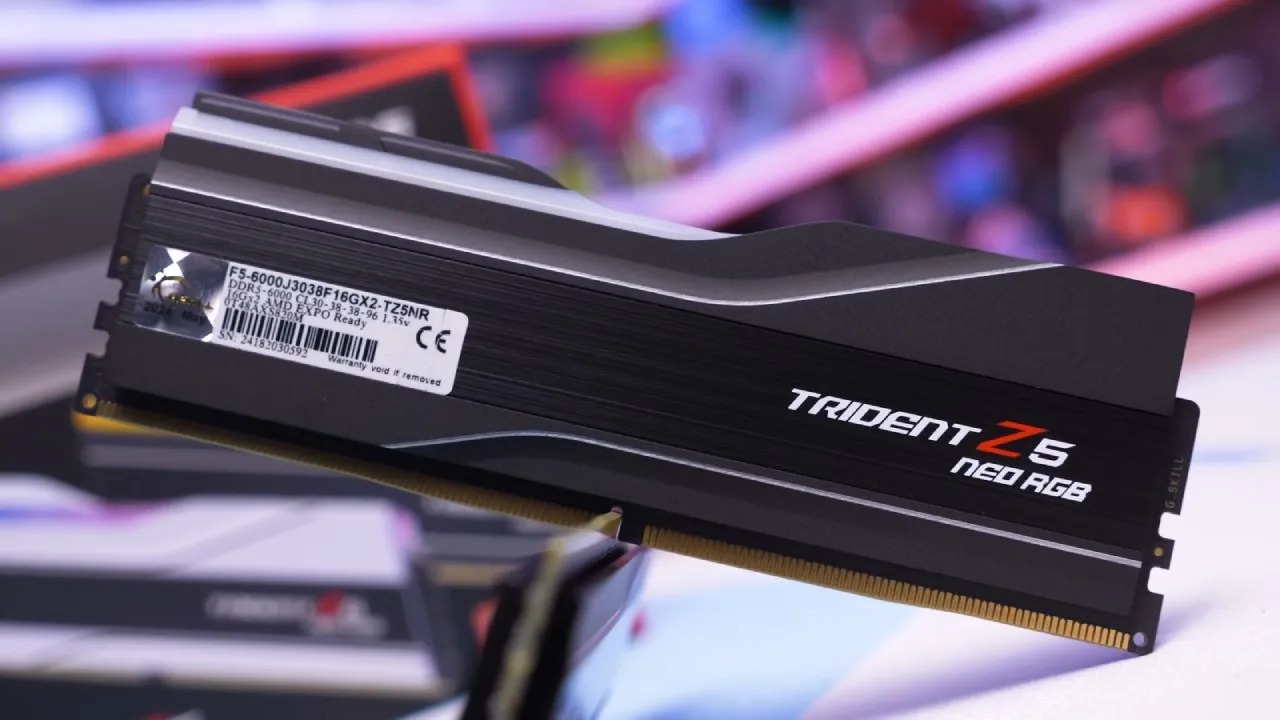
Changes in Storage Technology
Western Digital talked about possible improvements in hard drive technology. The next generation of drives might hold between 50TB and 100TB and have sequential speeds of up to 1200MBps, which is much faster than the present average of roughly 300MBps.
These upgrades would depend on high-bandwidth drive technology, which lets you read and write to multiple tracks simultaneously, and twin-actuator designs. These improvements could greatly boost data center workloads and ease storage-related supply constraints, even if random-access performance isn't as good as SSDs'.
GTA 6 and the Lack of Generative AI
GTA6, set to release on consoles on November 19, 2026, is one big release that hasn't been pushed back yet. Take-Two Interactive CEO Strauss Zelnick said in an interview that generative AI is not being used to make GTA6. AI tools are used only for internal operations, not for creating content. The game environment is being made by hand.
Even though GTA6 has been delayed several times, people are happy to hear that generative AI is not a part of the game's design. The launch may take people's minds off the ongoing hardware problems.
Final Thoughts
The lack of hardware is still affecting every part of the PC ecosystem, from the price of memory to the availability of GPUs to the release of new systems. Even though short-term relief remains unlikely, there are reasons to be cautiously optimistic, such as shifting AI investment plans, consumer opposition, and new technologies.
Also, check our other Intel chips Articles below:
- Intel Core Ultra 9 285K Review And Performance Breakdown (2025)
- Intel Core Ultra 9 285K vs AMD Ryzen 7 9800X3D: In-Depth Gaming Performance and Benchmark Comparison
- Intel Core i5-13400F Gaming Performance: Still Worth It in 2025?
- Intel Core i9‑14900K vs. AMD Ryzen 7 7800X3D: Power Profiles & Gaming Benchmarks
- Intel Core i9 14900K: Specs, Benchmarks, and Competitor Comparison
- Intel Core Ultra 5 245K Review: Gaming, Productivity & Power Efficiency Tested
- Intel Core Ultra 9 285 K's iGPU Gaming: In-Depth Benchmarks & Analysis
- Intel vs. AMD Gaming Laptop: Performance, Thermals & Battery Life Compared
- AMD Ryzen 7 9800X3D vs.7800X3D vs. Intel Core Ultra 7 265K: Gaming, Thermals & Price Analysis
Editor, NoobFeed
Gaming Hardware Updates
No Data.