
Microsoft Confirms Next Gen Xbox Timeline Amid Industry Chaos
Microsoft’s next Xbox generation signals a strategic shift toward premium hardware and deeper integration with the PC ecosystem.
Hardware by Tanvir Kabbo on Feb 08, 2026
Xbox is still alive. In fact, it's running toward the next chapter. At first, the concept that a new generation of Microsoft Xbox hardware could be out in the next 12 to 36 months sounds crazy, but recent events show that this isn't just a guess. There is new information that changes how we should think about the future of Xbox.
Lisa Su, the CEO of AMD, said on an earnings call that AMD is on schedule to have its semi-custom chip available for the next generation of Xbox in 2027. This was a big reason for the discussion.
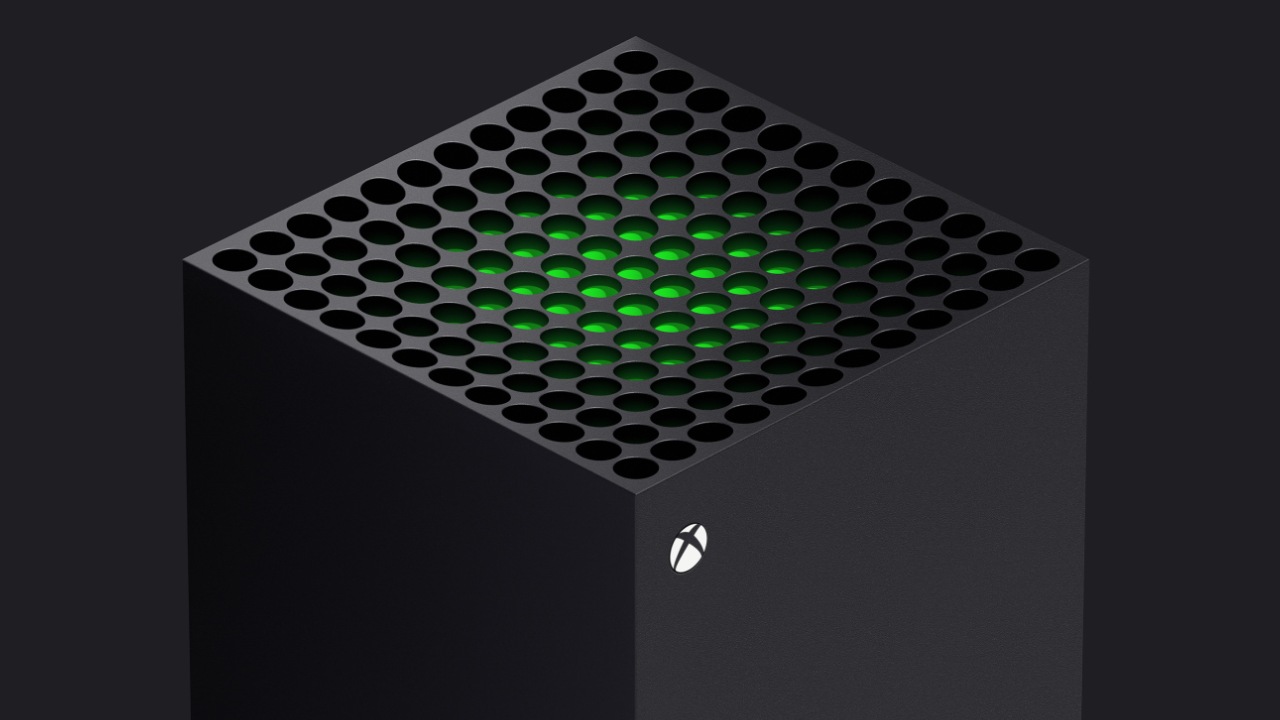
That one sentence means a lot. It wasn't just a random comment to say "next generation Xbox" along with a 2027 date. It came from a source that would know exactly what is going on behind the scenes.
From Full Steam Ahead to Controlled Momentum
There has been a lot of talk about what will happen to consoles in the future. It seemed like everything was moving at full speed six months ago. It looked like both Microsoft and Sony were getting ready for the next generation in a big way. Then things changed a lot.
A jolt to the memory market put prices for RAM through the roof. Memory that used to cost $20 suddenly costs $60, $80, or even $100. That one change changed the way consoles work in a way that can't be ignored.
In hindsight, it doesn't seem like Microsoft was ever really at full steam. It seems more appropriate to state that the corporation was moving at a medium pace. Things like the Xbox Ally didn't feel like a full commitment; they felt more like dipping your toe in the water. It was never marketed as a regular Xbox console, and that makes a difference.
Xbox’s Gradual Shift Toward a PC-Like Future
Microsoft probably made a purposeful choice years ago to change Xbox from being just a console to something more like a PC. It's not apparent if that was the proper thing to do, but it's clear why it was done.
PlayStation has taken a lot of market share from Xbox as a traditional console. Windows is one of the best things about Microsoft. Using that ecosystem might make Xbox more relevant in a new way, even if it means breaking some of the old norms for consoles.
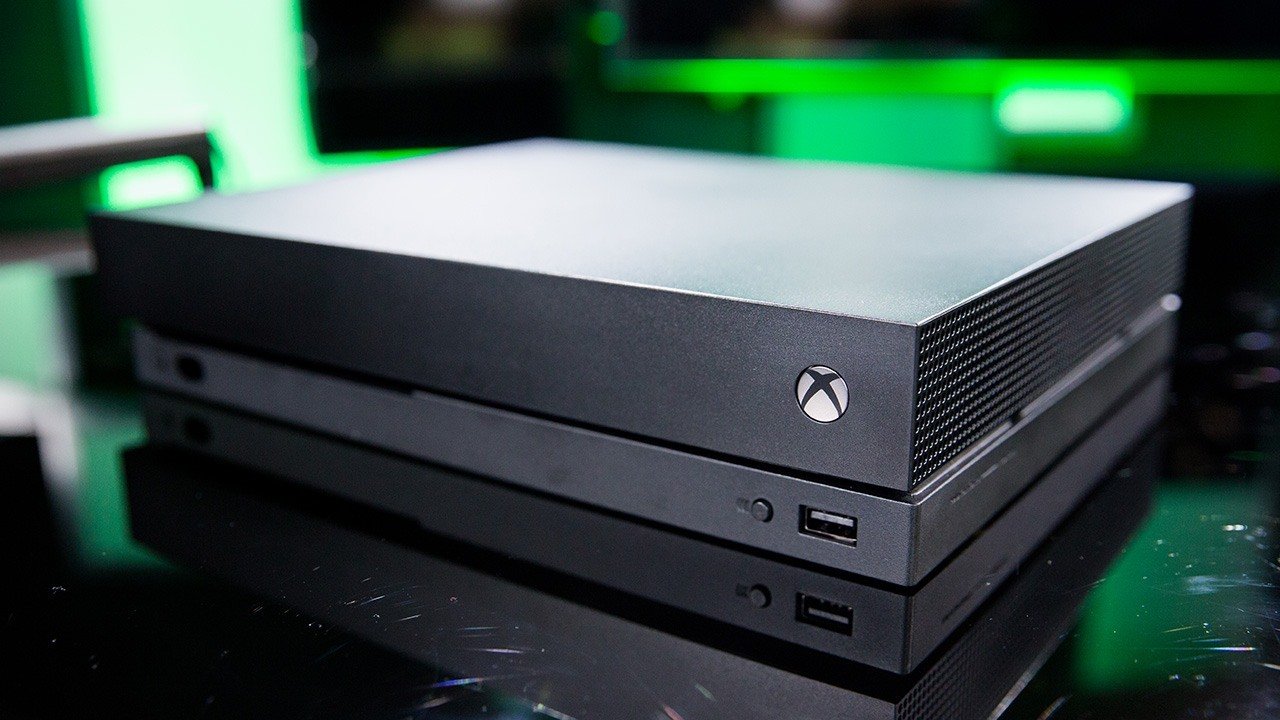
It's not a novel idea for Xbox to run on a Windows base. The Xbox One even runs a version of Windows with an Xbox UI on top of it. A lot of people thought that convergence would eventually make Xbox hardware work more like a regular PC, but that never really happened.
It looks like the Xbox Ally is a public beta test of that idea. It is a version of Windows that has had some of its messier parts removed and is better suited for use with a console. Drivers, background services, and annoying features are hidden. It seems like this is the first step in a larger plan.
Cleaning Up Windows for Console Players
People expect Microsoft to keep burying more of Windows' rough edges underneath the surface over the next year or two. It looks like the idea is for the user to not have to worry about Windows at all.
If Microsoft just put a full version of Windows on an Xbox, it wouldn't be very interesting. Things like annoying assistants, continuous prompts, and background services would make the experience worse. But if those parts are hidden and managed, the outcome might be much better.
In principle, players would benefit by pressing a button on an Xbox and installing Steam. People are hesitant since Windows has had a bad reputation lately. The way something looks is just as important as how it works.
A Tough Year for Xbox Hardware
Here, honesty is important. The last year was probably the worst year ever for Xbox. Sales of hardware fell sharply, by about 30% to 35%, according to reports. Because of price increases, it was hard to endorse either the Xbox Series S or the Series X.
Microsoft has done well as a third-party publisher, putting out titles like Forza on several platforms. However, the hardware side is still having trouble. Call of Duty is still the most important part, and when a large release doesn't do well, it brings everything else down with it.
It was a crazy year, and the harm to how people see the brand is significant.
Xbox Series Z Concept is here
The next-generation Xbox, which we often call the Xbox Series Z, raises more questions than it answers. The 2027 timescale is strange, especially since AMD has said they are ready. Partners usually don't share these kinds of data without first agreeing on them.
That means there are two options. Microsoft is either happy with the message and everything is going according to plan, or Microsoft is unsure and AMD wants investors to know that its work is done. If a partner said they were ready before getting permission, it would normally cause problems. The fact that this hasn't happened in public yet implies that people are working together.
PlayStation, Parity, and Strategic Delays
In the past, the chips in PlayStation and Xbox consoles have been almost the same in terms of power. It makes sense to think that parity will last. There are, however, more and more reports that Sony would push out the release of their next platform until 2028 or perhaps 2029.
Sony has already said that it doesn't intend to send out a $900 console. Prices might settle if you wait, and the launch might happen for $600 or $700 instead. That delay wouldn't have to entail a chip that is very different or better; it may just mean one that is cheaper.
Sony can wait. Microsoft, on the other hand, may not be able to.
Premium Xbox and the Open PC-Like Ecosystem
The next Xbox should look more like a mid-range PC than a regular console if Microsoft debuts it in 2027. Prices between $800 and $900 are possible. That move would leave Sony with a lot of room in the typical mid-range console area.
There have also been suggestions that Microsoft may license the same Xbox processor to partners like Asus or Lenovo, who could then make their own Xbox-branded devices. People haven't talked about this notion as much lately, but it could just mean it's been put on hold, not canceled.
Consoles Are Not Getting Cheaper Anymore
In the past, consoles got cheaper over time as chips got smaller and the cost of making them went down. That model doesn't work anymore. Chips that are more advanced are getting more expensive, not less.
Because of this, consoles are not expected to organically reduce in price over time. Companies may instead use tiered models from the beginning. Microsoft might use the flexibility of a PC-like ecosystem, while Sony is likely to use a dual-tier approach.
PC games can run on a wide range of hardware, from low-end to high-end. This means that Xbox could theoretically provide additional options without breaking compatibility.
Risk, Chaos, and Uncharted Territory
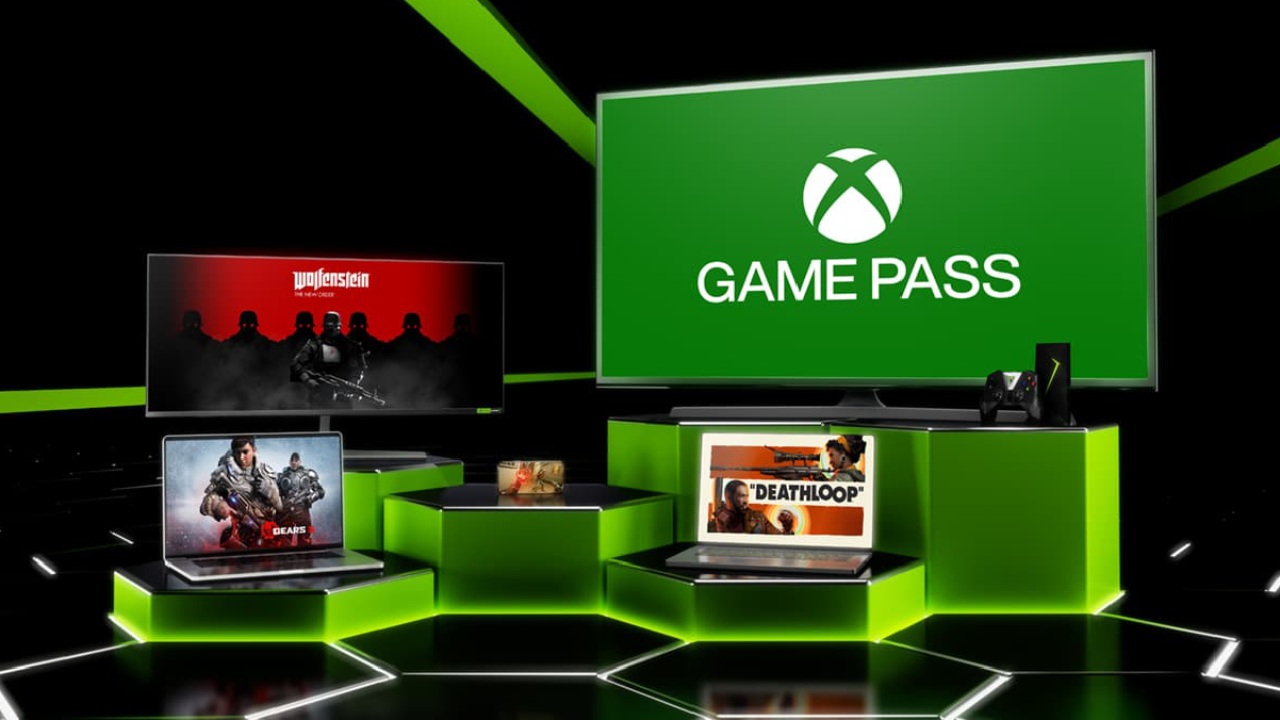
All of this shows that the console market is in disarray. Prices are going up. People are less loyal to brands. Gaming on Linux is becoming better quickly, and online services like GeForce Now are growing. The traditional strategy that worked for the last 30 years doesn't work anymore.
Microsoft probably needs to make some big moves to move forward. That may mean giving more money to hardware, like $50 or $100 each unit, and hoping to make money in the long run from software, subscriptions, and in-game transactions.
The problem is that the numbers don't add up the way they used to. It's difficult to justify those bets since the costs of parts are going up and the value of the brand is going down.
A Narrow Path Ahead
There is still a bright side. The brand might become more stable with a strong handheld strategy, better control over Windows, and prices that are competitive. But the execution has to be almost perfect, and the money has to be real.
There may not be a typical console battle in the future for Xbox. It might turn into a family of PC-like devices with varied prices, or it could just become another high-end option among many.
A few important choices made in the near future will determine what occurs next. The outcome is rather uncertain, and the next generation may change what a console is.
Also, check our other AMD articles below:
- AMD Ryzen 9 9950X3D Review: Setting The Standard For 2025 Gaming CPU
- AMD Ryzen 7 9800X3D Review: 3D V-Cache Goes God Mode with Stunning Gaming Performance
- AMD RX 9070 Performance Review: Thermals, Clocks, and Real-World FPS
- AMD Ryzen 5 7600 Review: Best Budget Gaming CPU of 2025?
- AMD Radeon RX 7800 XT Review: RDNA 3 Power For Midrange Gaming
- Sapphire NITRO+ AMD Radeon RX 9070 XT Review: The Ultimate 4K Gaming GPU
- AMD Ryzen 7 7800X3D: Delivers Gaming Performance Far Beyond Expectations
- AMD Ryzen 9 7900X Review: Powering the AM5 Era with DDR5 & PCIe 5.0
- Intel Core i9‑14900K vs. AMD Ryzen 7 7800X3D: Power Profiles & Gaming Benchmarks
Senior Editor, NoobFeed
Gaming Hardware Updates
No Data.