
PS5 Pro Updates: AMD Collaboration, PSSR 2.0, and AI Graphics Enhancements
New PSSR 2.0 technology and AMD collaboration bring improved upscaling, frame stability, and next generation graphical performance enhancements
Hardware by Tanvir Kabbo on Mar 24, 2026
A quick breakdown explores the latest updates surrounding the upcoming PS5 Pro, including new developments in PSSR technology, AI-driven enhancements, and future expectations for PlayStation platforms.
Ongoing Discussions Around PS5 Pro and PSSR
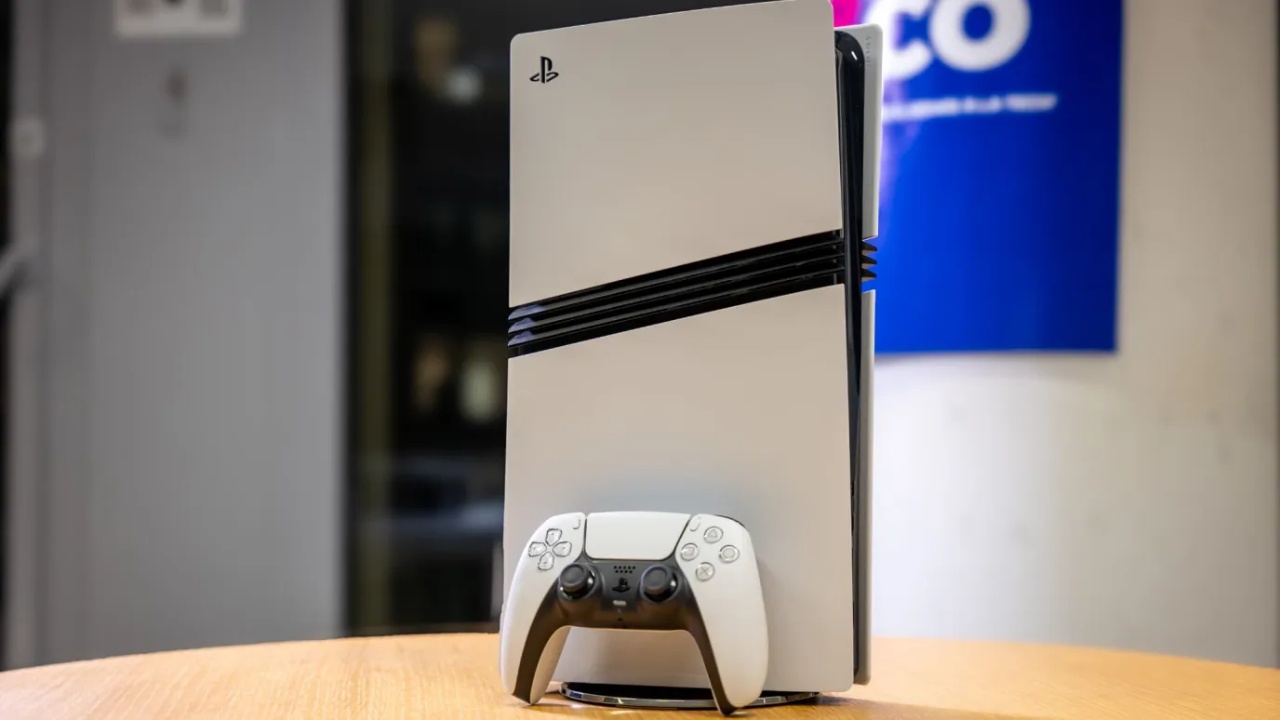
We have a quick breakdown to go over regarding the upcoming PS5 Pro. As many already know, the brand new PSSR update has been generating a lot of discussion. There is still interest in diving deeper into gameplay reactions and analysis, especially as more footage becomes available.
In simple terms, frame creation works by guessing where to put frames between existing ones. The system fills in the gap if you think about moving between two points. This makes the movement smoother.
On the other hand, upscaling improves resolution without needing all of the rendering capacity. The system doesn't render everything at native 4K; instead, it intelligently puts the image back together.
We are also seeing curiosity build around what comes next. What features should be expected, and how far can these upgrades go? More details are beginning to surface, and even more are expected in the near future.
Who is Mark Cerny and Why It Matters
Mark Cerny, the lead system architect behind PlayStation consoles, plays a central role in these developments. He has been deeply involved in the design of both the PS4 and PS5, making him one of the most influential figures in the PlayStation ecosystem.
We can think of him as the person guiding the overall direction of the console. While he is not physically assembling hardware, he is the one making key decisions about how everything should function and evolve.
Frame Generation and AI Integration on PlayStation
Cerny has confirmed that frame generation technology is expected to arrive on PlayStation platforms. This comes through collaboration with AMD under what is known as Project Amethyst.
From what we understand, machine learning-based frame generation is in development, although no further updates are expected within this year. The focus right now is on refining existing technologies and ensuring stable rollout.
We are essentially looking at systems that use AI to generate additional frames, fill in missing visual data, and reduce the workload on GPUs and CPUs. This allows hardware to focus more on rendering higher resolutions and maintaining consistent frame rates.
Understanding PSSR and AMD’s Role
PSSR is closely tied to AMD’s FSR technology. The new PSSR 2.0 uses the same core co-developed algorithm as AMD’s upscaling solutions.
If you are familiar with PC graphics, this is similar to how DLSS works on Nvidia GPUs. In simple terms, upscaling takes a lower resolution image, like 1080p, and enhances it to appear closer to 4K. Frame generation then fills in intermediate frames to smooth motion, improving overall visual fluidity.
We are now seeing PlayStation directly benefit from this shared development. Since AMD provides the GPUs for PlayStation consoles, both companies gain from optimizing these technologies together.
What Frame Generation and Upscaling Actually Do
In simple terms, frame creation works by guessing where to put frames between existing ones. The system fills in the gap if you think about moving between two points. This makes the movement smoother.
On the other hand, upscaling improves resolution without needing all of the rendering capacity. The system doesn't render everything at native 4K; instead, it intelligently puts the image back together.
There are also mentions of ray regeneration, which likely relates to improvements in lighting or ray tracing, although details on that remain unclear.
Project Amethyst and Co-Development with AMD
We are seeing confirmation that PlayStation and AMD have been working closely together on these technologies. This means that even PC users benefiting from FSR advancements are indirectly using tech co-developed with PlayStation.
It also explains why PlayStation is heavily investing in these features. If both companies are building the technology, it makes sense to integrate it deeply into the console ecosystem.
Future Plans and Platform Limitations
Right now, there are no additional releases planned within the year. The focus is on stabilizing PSSR 2.0 and ensuring smooth adoption.
One major question is how far these technologies will extend. Will they be limited to the PS5 Pro, or will they reach the base PS5 as well? There are also questions about whether future updates like PSSR 3.0 or beyond are already in development.
We are also seeing discussions around whether older hardware can handle these AI-driven features or if they will remain exclusive to newer systems.
.jpg)
Patent Insights and Adaptive AI Possibilities
Recent patents suggest even more advanced capabilities. One idea is smoothing frame rates without relying heavily on resolution drops. The system could change the AI's accuracy on the fly instead of lowering the resolution when performance drops.
This might lessen the need for severe dynamic resolution scaling and make performance feel more stable overall.
There are also adaptive AI systems that change in real time, which might make things run more smoothly and look better while putting less stress on hardware.
Final Thoughts
We are currently seeing significant progress in AI-driven graphics technology. PSSR 2.0 represents a major step forward, combining upscaling, frame generation, and future enhancements into a unified system.
At the same time, there is still a lot to learn. More extensive explanations of how PSSR and FSR work together could help us better comprehend what's going on behind the scenes.
For now, the path seems clear. PlayStation is putting a lot of money into AI-assisted graphics, and working with AMD is a big part of making consoles work better in the future.
Also, check our other hardware articles:
- AMD Ryzen 9 9950X3D Review: Setting The Standard For 2025 Gaming CPU
- Amazon Luna 2025 Review: Is Prime Gaming's Cloud Service Your Go-To For Casual Fun?
- AMD RX 9070 XT Review: AMD's RDNA 4 Champion for 1440p Gaming
- GeForce Now Ultimate: Ditching Your Gaming PC For Cloud RTX 4080 Power?
- NVIDIA GeForce RTX 5080 Review (2025): Still A 4K Gaming Powerhouse?
- Intel Core Ultra 9 285K Review And Performance Breakdown (2025)
- AMD Ryzen 7 9800X3D Review: 3D V-Cache Goes God Mode with Stunning Gaming Performance
- Intel Core Ultra 9 285K vs AMD Ryzen 7 9800X3D: In-Depth Gaming Performance and Benchmark Comparison
- NVIDIA GeForce RTX 5080 Super Performance In Cyberpunk 2077: Path Tracing & DLSS 4.0 Tested
- AMD Radeon RX 9070 XT In Cyberpunk 2077: Ray Tracing & FSR 4.0 Tested
- Intel Arc B580 Review: The $250 GPU Revolutionizing 1440p Gaming
- Intel Arc B570 Vs. B580: Value, Specs, And Real-World Gaming Performance
- RTX 5090 Laptop Vs. M4 Max MacBook Pro: Ultimate Raw Performance Vs. Battery Endurance
- Intel Arc b580 Vs. RTX 4060: Game Performance And Value Analysis
- RTX5090 Hell Is Us Demo 4K Ultra Benchmark: DLSS Vs. Native Performance Guide
- NVIDIA RTX 5070 Review: Mid-Range Muscle or Marketing Hype?
- Nintendo Switch 2 Review: Handheld Performance, Features & Value Breakdown
- RTX 5070 Ti Review: Performance, Thermals & Power Efficiency Tested
- Samsung Odyssey OLED G81SF Review 2025: Ultimate 32-Inch QD-OLED Gaming Monitor
- AMD RX 9070 Performance Review: Thermals, Clocks, and Real-World FPS
- AMD Ryzen 5 7600 Review: Best Budget Gaming CPU of 2025?
- AMD Radeon RX 7800 XT Review: RDNA 3 Power For Midrange Gaming
- Asus ROG RTX 5090 Astral OC Vs. Founders Edition: The 4K Gaming Benchmark
Senior Editor, NoobFeed
Gaming Hardware Updates
No Data.