
RTX 5070 Ti Prices Double as AMD Zen 6 Benchmarks Leak
NVIDIA's RTX 5070 Ti and RTX 5060 Ti prices surge as retail stock declines and availability becomes increasingly limited.
Hardware by Nahe Yan on Nov 09, 2026
The PC hardware market is shifting as graphics card availability declines and prices rise. NVIDIA's RTX 5070 Ti and RTX 5060 Ti 16GB are becoming difficult to find at their original prices, while AMD is making its priorities clear by focusing on its data center business. Meanwhile, early benchmarks of AMD's Zen 6-based Ryzen processors have appeared.
Recently, reports suggested that NVIDIA had seemingly discontinued the RTX 5090, followed by the RTX 5080. The company also faced reports that it was doing something similar with the RTX 5070 Ti and 16GB RTX 5060 Ti. Now, VideoCardz has published a follow-up report on the situation, and graphics card prices have increased.
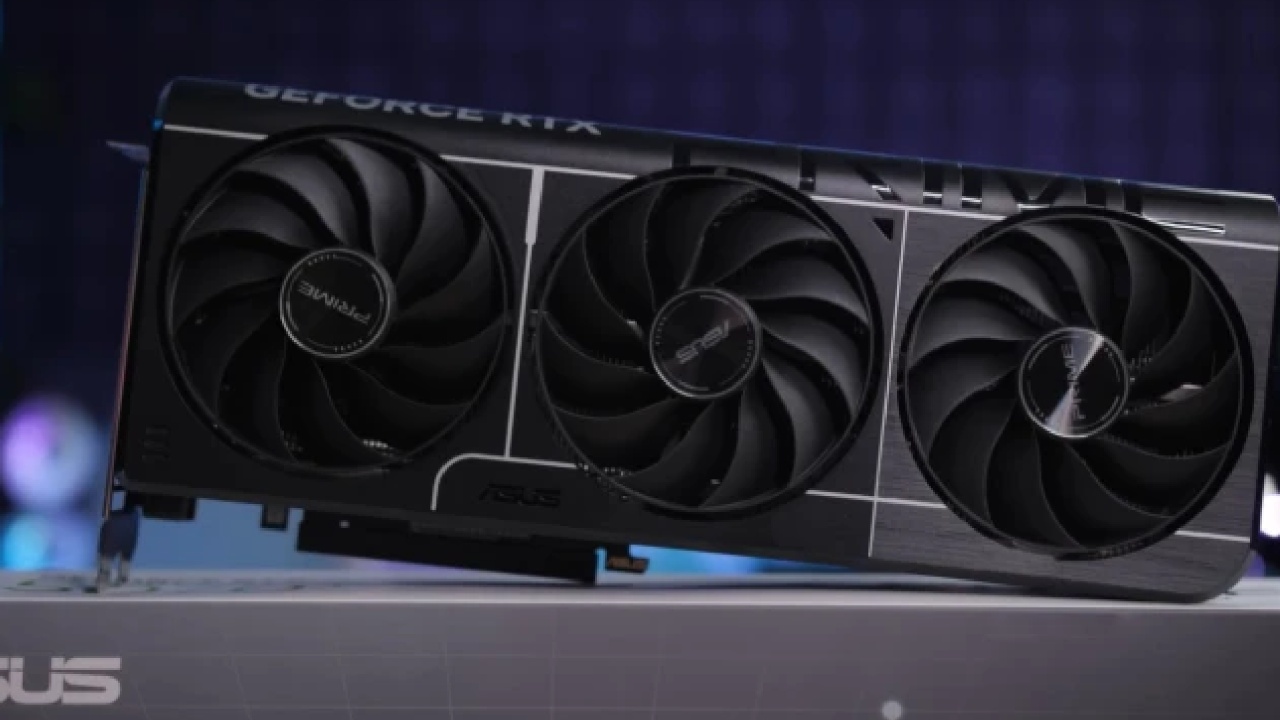
RTX 5070 Ti and RTX 5060 Ti Prices Got Doubled
On October 29, the cheapest RTX 5070 Ti was available for $1,179.99. By November 6, the lowest available price had reached $1,339.99. That represents a 13.6% increase in just over a week. The 16GB RTX 5060 Ti has also seen its prices increase. The cheapest model on Newegg is now listed at $800, nearly double its MSRP.
These prices suggest that the initial reports were mostly correct. It appears NVIDIA is still shipping some of these graphics cards occasionally, but not in quantities large enough to meet demand. This lets the company keep saying none of its GeForce SKUs have been discontinued without technically lying.
However, with so little stock available, the difference is minimal for the average consumer. Some of these graphics cards may have effectively been discontinued. Newegg is still selling RTX 40-series graphics cards, even though NVIDIA hasn't produced them in a while. Either way, the earlier reports had some truth to them, and consumers who bought these graphics cards before prices rose avoided the current situation.
During AMD's Q3 earnings call, the company discussed its expectations for the PC market, specifically its plans for PC unit shipments to decline by a double-digit percentage next year. At the same time, its data center business continues to grow, with record sales of $8.5 billion and an expected $12.8 billion by the next quarter.
AMD Confirms It's A Data Center-First Company
This has made it clear that gaming is not AMD's primary focus. Consumers are also becoming less important to the company's overall business strategy. She said AMD is looking to double its business, or more, as the company moves into next year. She also described AMD as a data center-first company, explaining that the industry needs more computing power to support applications.
AMD's data center-first approach is not particularly surprising. Even before the current AI demand, the company focused heavily on the server market. However, AI demand is now growing and taking up an increasing share of the computing market. The company is also looking to more than double its business next year. That is a significant target for a company already in the S&P 500.
When asked about Wall Street's concerns about AI spending, Su essentially said investors were focusing too much on the short term. AMD is looking further into the future, expecting AI computing requirements to become more essential and continue growing. Therefore, it is not surprising that AMD is prioritizing its data center business.
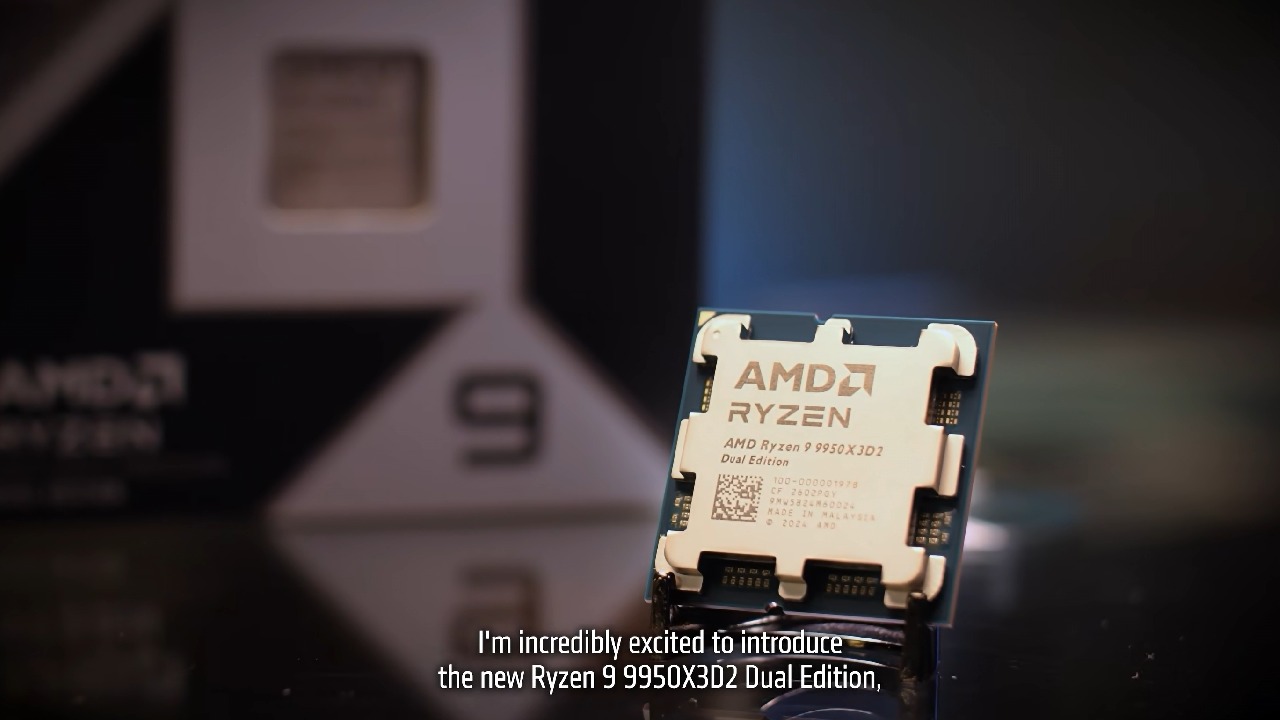
AMD Zen 6 Ryzen benchmarks show performance improvements over current CPUs.
We now have our first benchmarks of AMD's Zen 6-based Ryzen processors, and the results suggest the next generation could deliver higher performance than current-generation CPUs. The leaked results include one 6-core benchmark, two 8-core benchmarks, and one 10-core benchmark. The 10-core result is particularly interesting because it comes from AMD's Medusa Point processors, which use the Zen 6 architecture for mobile Ryzen.
According to the reported configuration, the 10-core processor is split between four Zen 6 cores and six Zen 6C cores. The benchmark also reports a maximum frequency of 2GHz, although this is unlikely to be accurate. Geekbench can report incorrect frequencies on early engineering samples, so the frequency reading isn't particularly useful yet.
The performance scores are more interesting. The processor reportedly achieved 3,100 points in single-core performance and 18,313 points in multi-core performance in Geekbench 7. On single-core, this processor actually beats the Ryzen 9 9950X. That may not sound significant at first, but remember this is a mobile processor.
FAQ
Q. Why have NVIDIA RTX 5070 Ti prices increased significantly?
A. Limited stock and reduced shipments appear to be contributing to the price increases. The cheapest RTX 5070 Ti increased from $1,179.99 on October 29 to $1,339.99 on November 6.
Q. What is the current price of the 16GB RTX 5060 Ti?
A. The cheapest 16GB RTX 5060 Ti on Newegg is listed at $800, nearly double its original MSRP.
Q. Why is AMD prioritizing its data center business?
A. AMD is prioritizing its data center business because of growing AI computing demand. CEO Lisa Su confirmed that AMD is a data center-first company and expects to more than double its business next year.
Q. How fast is AMD's leaked Zen 6 Ryzen 10-core processor?
A. The Zen 6-based Medusa Point processor reportedly scored 3,100 points in single-core and 18,313 points in multi-core performance in Geekbench 7. It features four Zen 6 cores and six Zen 6C cores.
Editor, NoobFeed
Gaming Hardware Updates
No Data.