
Steam Deck Performance Issues Highlight Need for Better Upscaling Technology
Upscaling limitations on SteamOS highlight growing performance and image quality gaps compared to competing gaming platforms.
Hardware by Shinji Okazaki on Mar 26, 2026
As newer games require more power from portable and console-like hardware, upscaling on SteamOS has become a hot topic. The conversation has grown more heated as advances in upscaling technology and the gap between platforms have widened.
We had already started working on this before the DLSS5 issue worsened. NVIDIA showed off DLSS5 alongside Resident Evil Requiem, Starfield, and Hogwarts Legacy. The results changed these games significantly.
DLSS5 and How It Affects Game Presentation
There was a big change in tone in Resident Evil when you compared the before and after. The original scenario was scary because it was set in a survival-horror world. The DLSS5 update changed the lighting and how the characters looked, altering the mood. Hogwarts Legacy has similar problems, with character features being too large. Starfield's realistic art direction made it look less impacted, although it still lost some of its original style.
In general, these implementations had problems ranging from minor inconsistencies to major changes in how things looked. Because DLSS is restricted to certain hardware, Steam hardware is mostly safe for now. There isn't much Nvidia support, even on custom SteamOS PCs.
The Current State of Upscaling on the Steam Deck
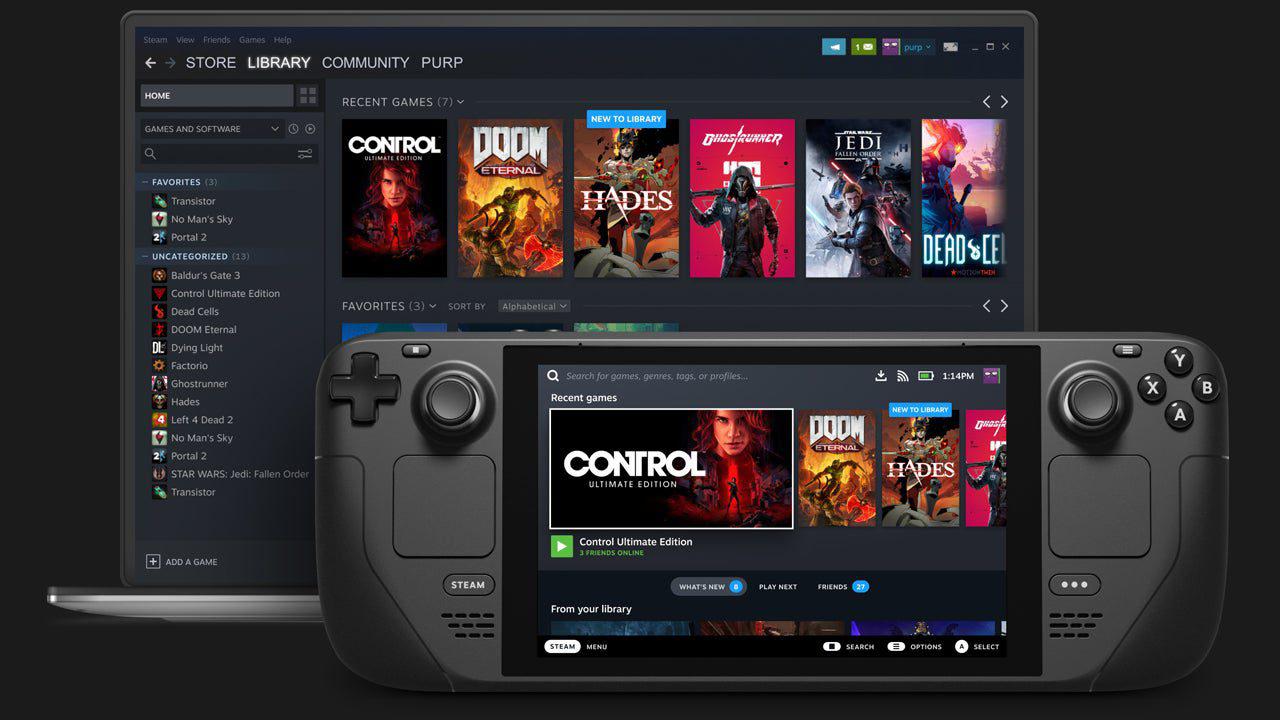
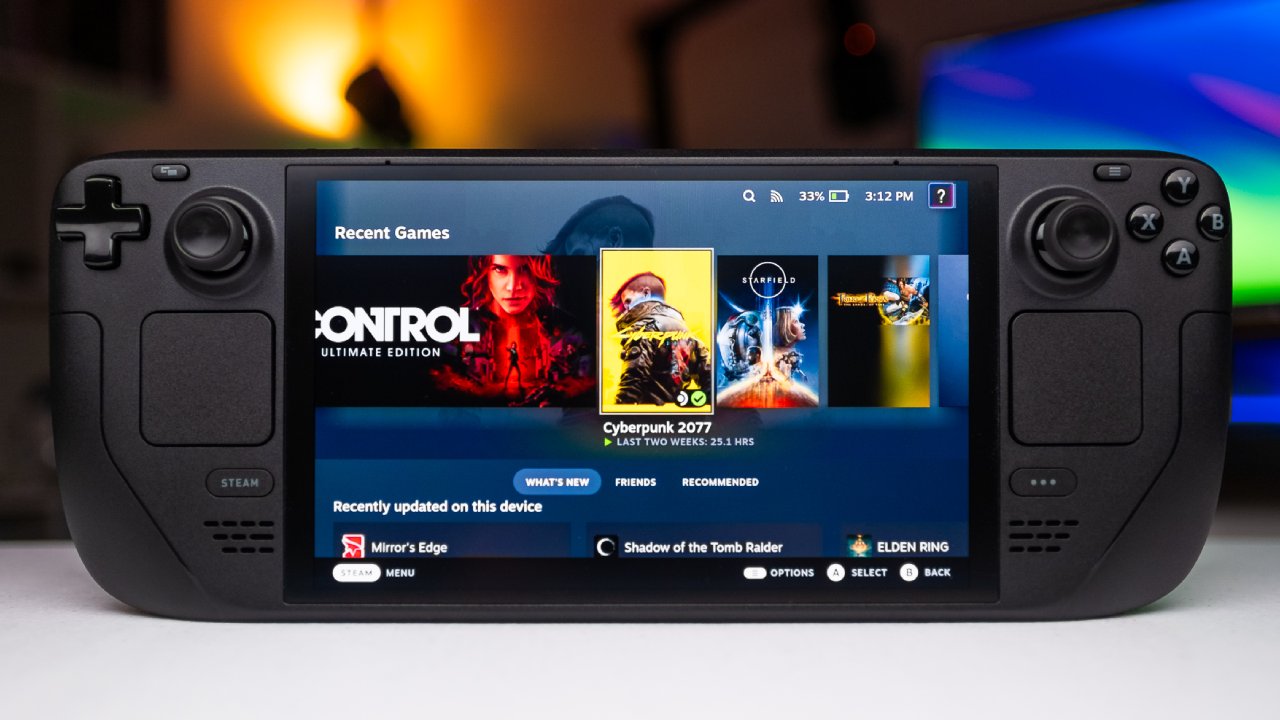
To play recent AAA games on the Steam Deck, you need to use upscaling. We need it to get a playable performance. There are many options, such as AMD's FSR, Intel's XeSS, Unreal Engine 5's TSR, and simple fixes like TAA or SteamOS's built-in FSR1.
We use these tools as intended, which helps our hardware last longer. There were concerns that developers would resort to upscaling to compensate for poor optimization, but results differ across games. Some games are optimized and work better with FSR.
Steam Deck, on the other hand, officially supports up to FSR3. It is better than older versions, but the difference is evident compared to modern technologies. It doesn't do as well in terms of picture quality or consistency.
Why FSR4 Isn't a Quick Fix
You might be wondering why Valve doesn't add FSR4 straight to SteamOS. The problem seems easy to fix, but it's not.
DLSS is a piece of hardware that only works with NVIDIA GPUs. FSR started out as software that worked with all types of GPUs. FSR4 added functionalities at the hardware level; previous architectures like RDNA2 and RDNA3, which power devices like the Steam Deck, don't fully support these upgrades.
We can still use FSR4 on these devices, though the performance boost is not significant. The picture quality improves, but the performance is more like native-resolution rendering. This makes it less effective on current Steam hardware because it has to make a trade-off.
Other Platforms Moving Forward Faster
Over the last year, several platforms have improved their upscaling options.
Switch 2 is an obvious example of this because it uses an older version of DLSS. It produces cleaner pictures than the Steam Deck with FSR, even though it uses older technology. Switch 2 has improved graphics in games like Kronos: The New Dawn and Resident Evil Requiem, but the performance is about the same.
The regular PS5 model uses FSR3, which has the same problems as the Steam Deck, like shimmering and rough edges. PS5 Pro, on the other hand, comes with PSSR, a unique upscaling solution. At first, PSSR didn't work well in many games, especially those made with Unreal Engine 5. But after the 2.0 upgrade, performance and picture quality improved significantly. It is now very close to other recent solutions.
Project Helix is another thing Xbox is working on to make an OS-level upscaler. The goal is to build an automatic solution that works like FSR4 or DLSS.
Valve's Point of View and the Need for Change
We are currently in a situation where other platforms have either enhanced existing solutions or made their own. At the same time, Valve still uses older FSR implementations. This worsens performance and visual quality.
People have been discussing the possibility that Valve is developing its own upscaler. Valve hasn't confirmed any specifics based on the available information and interviews. They have said they will reveal more information as the Steam Machine debut approaches.
We think Valve needs to come up with a new solution before or alongside the Steam Machine. If you wait months after debut, the platform will be behind competitors that currently offer better upscaling.
Trust in Valve's Method
Valve has dealt with problems like this before. They built features and technologies without telling anyone in advance, then released them when they were ready. Examples include work on ARM compatibility and support for Android-related features.
Upscaling is a more obvious problem, and it's doubtful that people will miss it. The current scenario shows how important it is to go beyond FSR3 and use a more advanced or unique solution for future Steam devices.
Final Thoughts
For modern gaming gear, upscaling is now a must instead of a choice. We depend on it for both its performance and its appearance. SteamOS is flexible, but its existing solutions aren't as good as those on other platforms.
You can see the discrepancies across devices, and it's evident that things need to improve. Valve needs to take a new approach to stay competitive and make sure that future products like the Steam Machine and improved Steam Deck hardware work better.
Also, check our other Handheld articles below :
- ASUS ROG Ally X Handheld Review: Double the Battery, Double the Comfort
- Nintendo Switch 2 Vs. Original Switch 1: A Full Comparison
- How To Connect A Camera And Join Voice Chat With Nintendo Switch 2
- Nintendo Switch 2 Review: Handheld Performance, Features & Value Breakdown
- ROG Xbox Ally X Vs. ROG Ally X: Display, Battery & Controls
- ASUS ROG Ally X vs. Steam Deck OLED: Display, Battery & Gaming Benchmarks
- MSI Claw 8 AI+ Review: Display, Controls & Gaming
- Nintendo Switch 2 vs. Steam Deck OLED: Gaming, Performance, Battery, Display and Value
- NVIDIA GeForce Now on Steam Deck: Battery Life, Gameplay, Streaming
Editor, NoobFeed
Gaming Hardware Updates
No Data.