
High-End PC vs. Switch 2 Ray Tracing Debate and Gaming Performance Gap
Rising hardware costs continue reshaping the balance between graphical fidelity, accessibility, and overall gaming performance expectations.
Hardware by Masaru Hoshino on May 16, 2026
But the debate over high-end graphics, ray tracing, and the value of visual improvements to the gaming experience continues. The debate over whether the level of visual detail in these games is worth the significant price tag increase goes back and forth, with comparisons between handheld devices like the Switch 2 and high-end PC hardware like the RTX 5080 or 5090, and whether the differences are noticeable or significant for most players.
Switch 2 to High End PC Visual Divide
When comparing a Switch 2 with a high-end PC with a 5080 or 5090-class GPU, it is evident that there is a considerable performance and output difference. Many games, particularly in the modern AAA era, have a significant underlying difference.
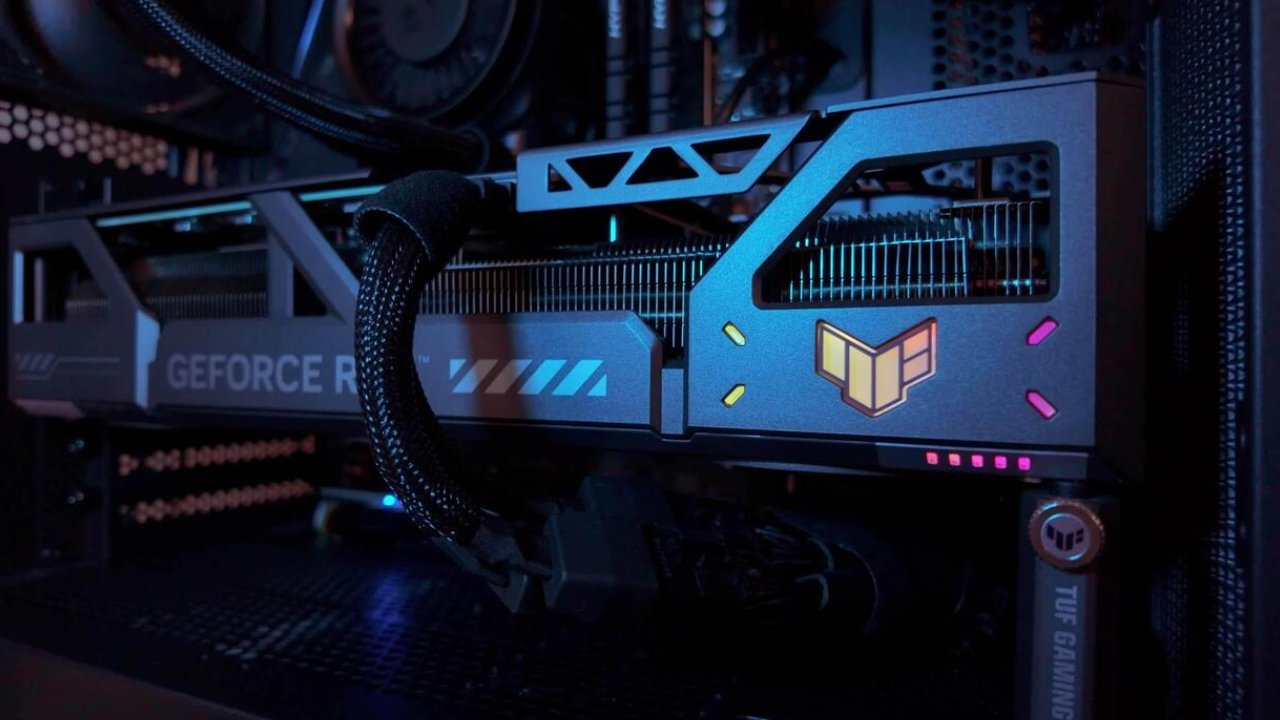
Some ports are not capable of maintaining 60 fps on Switch 2, and on high-end PC systems, the reaction time, frame pacing, and overall visual smoothness are much greater without even factoring in graphical improvements.
The big issue is whether the user is bothered by these distinctions. Some people are satisfied with the Switch 2 experience. Others feel that if they invest more in hardware, they will have a better experience and spend accordingly.
Frame Rate, Motion, and Real Experience Differences
Comparing platforms side by side doesn't always reflect the true differences. The "gap" is more clearly seen in moving shots than in still comparison shots. While the gameplay is stable on Switch 2, some have frame pacing problems that can make the experience less enjoyable.
Conversely, the frame rates of high-end PC systems tend to be much greater, and since they're usually much more responsive, you can enjoy a smoother experience. This alone can completely alter the experience of playing a game, even if the game doesn't have high-end graphical capabilities.
Meanwhile, PS5 versions of the games offer great graphics as well; in low-resolution video previews, it can sometimes look worse than when playing, and sometimes even better.
Ray Tracing, Development Costs, and Visual Scaling
Ray tracing is often associated with games like RTGI, RTAO, and path tracing, which can raise questions about its benefits relative to development costs and player response. In many cases, these systems aren't the biggest expense in game development. Typically, integrating ray tracing features is a much more cost-effective process than creating assets, designing environments, and producing high-quality art.
When viewed through a player's eyes, these features can still make a significant difference in a machine's overall visual quality. The difficulty is hardware requirements; complex rendering techniques can require much more computing power, which would make them much more expensive for the end user if they want to be played at their optimal quality.
Meanwhile, many gamers aren't bothered by differences in rendering methods, such as ray tracing or screen-space effects. For most users, the most important thing is that the game looks good and performs well, not how it is accomplished.
Performance Scaling and Accessibility Concerns
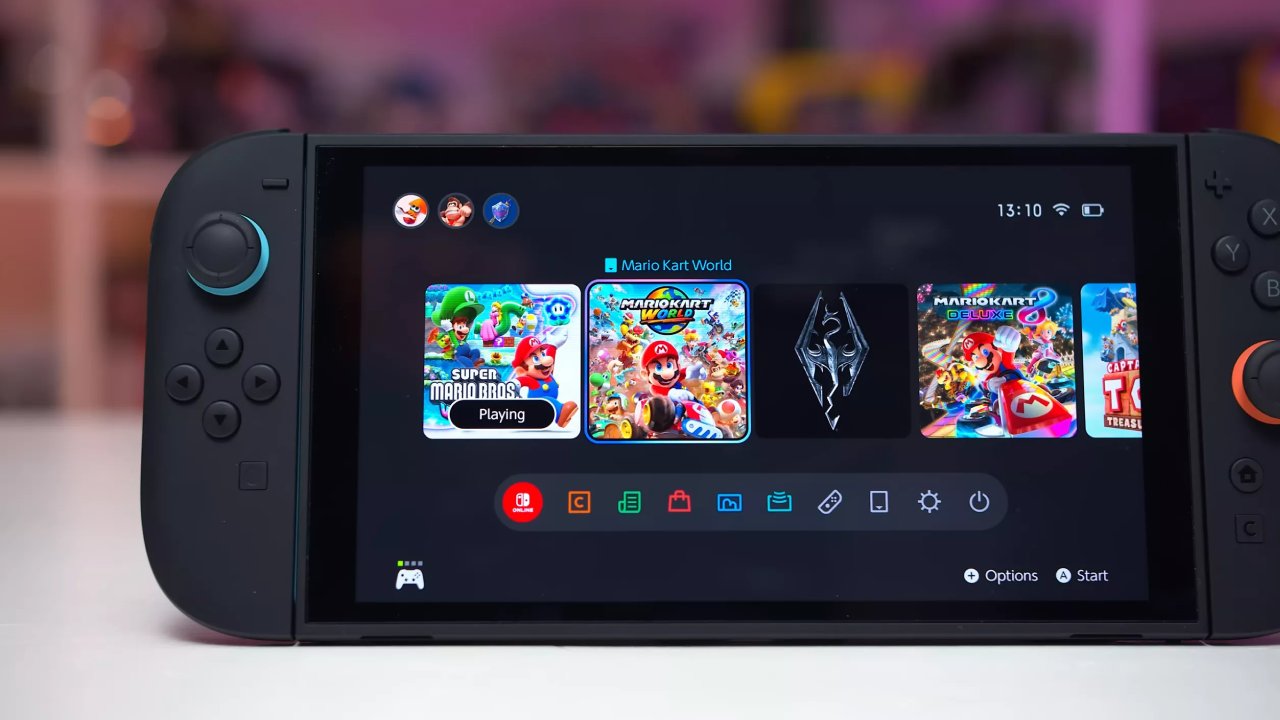
One issue that will need to be addressed in the future is the rising price of top-tier hardware, such as GPUs and console variants. High-end PCs offer better performance and visuals, but they're too expensive and unnecessary for most players.
For the most part, gamers are content with the base console experience, and in many cases, versions of games on systems such as Switch 2, Series S, or PlayStation 5 offer the same core story and gameplay as the console of origin. The differences are mostly in how well the apps perform, how visually clear they are, and what options are available to improve them, not in their core content.
The Future of Graphics and Game Development
The industry seems to be moving towards more scalable game design, and more and more games are aiming to cater to a variety of hardware. This change could diminish the significance of certain cutting-edge graphics capabilities in the future, as everyone strives to make games run smoothly across various platforms.
A similar debate is underway about the competition from non-ray-traced rendering paths. In some instances, ray tracing is becoming part of a game's visual goals, and without it, the presentation quality can differ.
However, current consoles are likely to stay for years and will be able to see new releases. What we will see more of in the future is a growing range of visual quality options, so that users can choose when and how much to invest in graphical enhancements and higher-quality performance.
Editor, NoobFeed
Gaming Hardware Updates
No Data.