
Valve Steam Frame OLED Leak: Plano Specs, Price, and Release Timeline
Kernel source code points to an OLED Steam Frame codenamed Plano with a 3552x3840 per eye display at 90hz.
Hardware by Shinji Okazaki on Oct 14, 2026
Valve may be developing an OLED version of the Steam Frame, according to code in the headset's published kernel source. The discovery points to a device codenamed Plano, with a 3552x3840 per-eye display resolution and up to a 90Hz refresh rate. The code also suggests that Valve has been experimenting with 120Hz support.
The current Steam Frame uses 2160x2160 LCD panels and launched only recently. An OLED version could offer a different display experience, but questions remain about battery life, performance, pricing, and when it might arrive. The available information comes from code and does not confirm that Valve will release the device.
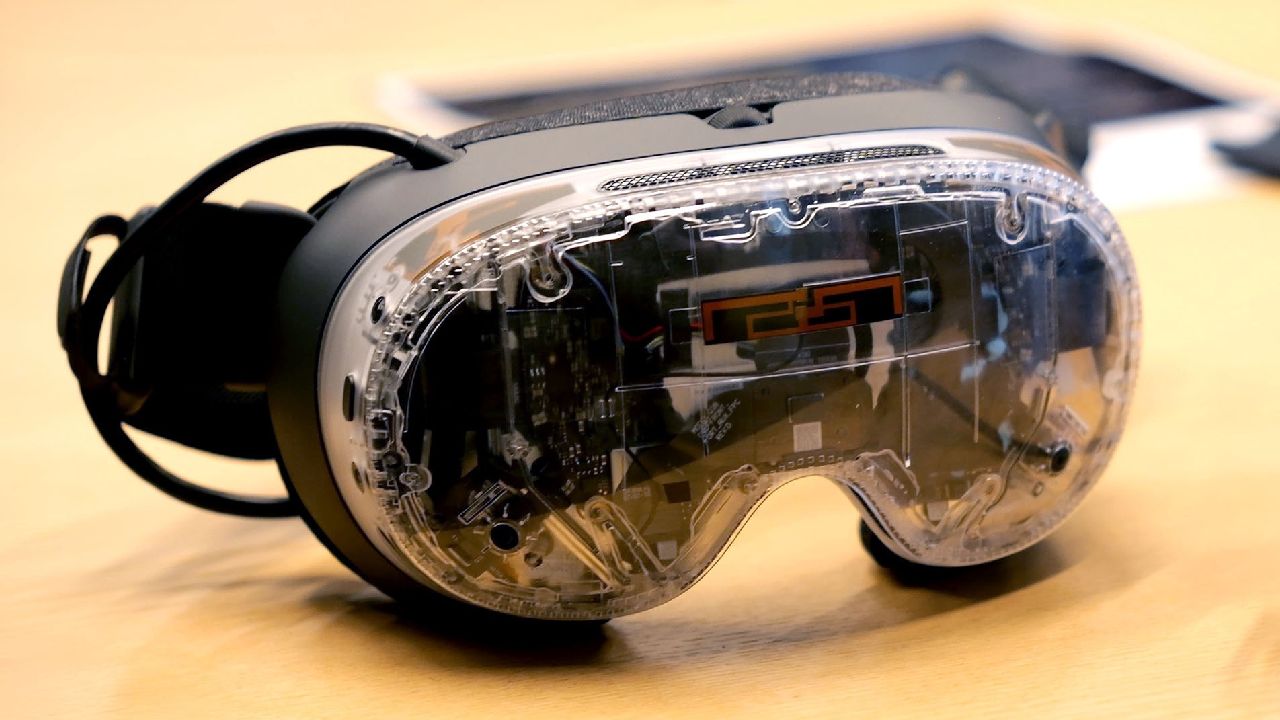
Valve's Kernel Source Reveals the Plano OLED Headset
Valve published the Steam Frame kernel source, which an account called Evo F mirrors on GitHub. According to the report from Steam Frame Hub, the source contains branches for Plano that began as Decard-OLED on December 17, 2025. The branches were updated on February 9, then continued as Decard Plano from March 3 through October 2. This suggests that someone at Valve was still working on the project a couple of weeks ago.
However, the discovery only reveals what Valve has been testing, not necessarily what the company plans to build. The panel specifications listed in the code indicate a resolution of 3552x3840 per eye at up to 90Hz, with experiments to get 120Hz working as well. These match the resolution and refresh rate of the Samsung Galaxy XR, a micro-OLED headset that launched at $1,800.
This suggests that Plano could use a panel from the same family supplied by Sony or Samsung, although that remains a guess rather than a confirmed detail. The display specifications also bring the Pimax Dream Air into the discussion. The Dream Air uses a display with the same resolution figures, though its specifications list 3840x3552, with the numbers swapped.
Plano Could Use a Display Similar to the Pimax Dream Air
If the leak is accurate, Plano's panel would fall into the same class as the more expensive Dream Air. The difference is that the Pimax headset receives its display signal from a desktop graphics card over a cable. Plano, on the other hand, has a mobile chip. It reportedly uses the same Snapdragon 8 Gen 3 processor found in the current Steam Frame.
This raises questions about how a Snapdragon mobile chip could drive a panel with such a high pixel density. The chip cannot natively render the full resolution twice, once for each eye, so the headset would need to render at a lower resolution. The default resolution would be either half or native resolution on each axis, resulting in 1776x1920.
Running the numbers, this setting would render about 27% fewer pixels than the current Steam Frame, but display them on a much sharper panel. There is also an experimental 1.5x mode at 2368x2560, which renders around 30% more pixels than the current Frame. However, this would come at the cost of performance. The main limitation is the chip's display bandwidth.
That is why running the panel at full resolution and 120Hz remains a work in progress, and it's unclear whether the combination will work at all. A headset that renders fewer pixels than the current model while using a higher-resolution screen presents an interesting trade-off. A wired connection might let the headset use its full resolution and refresh rate, but that hasn't been confirmed.
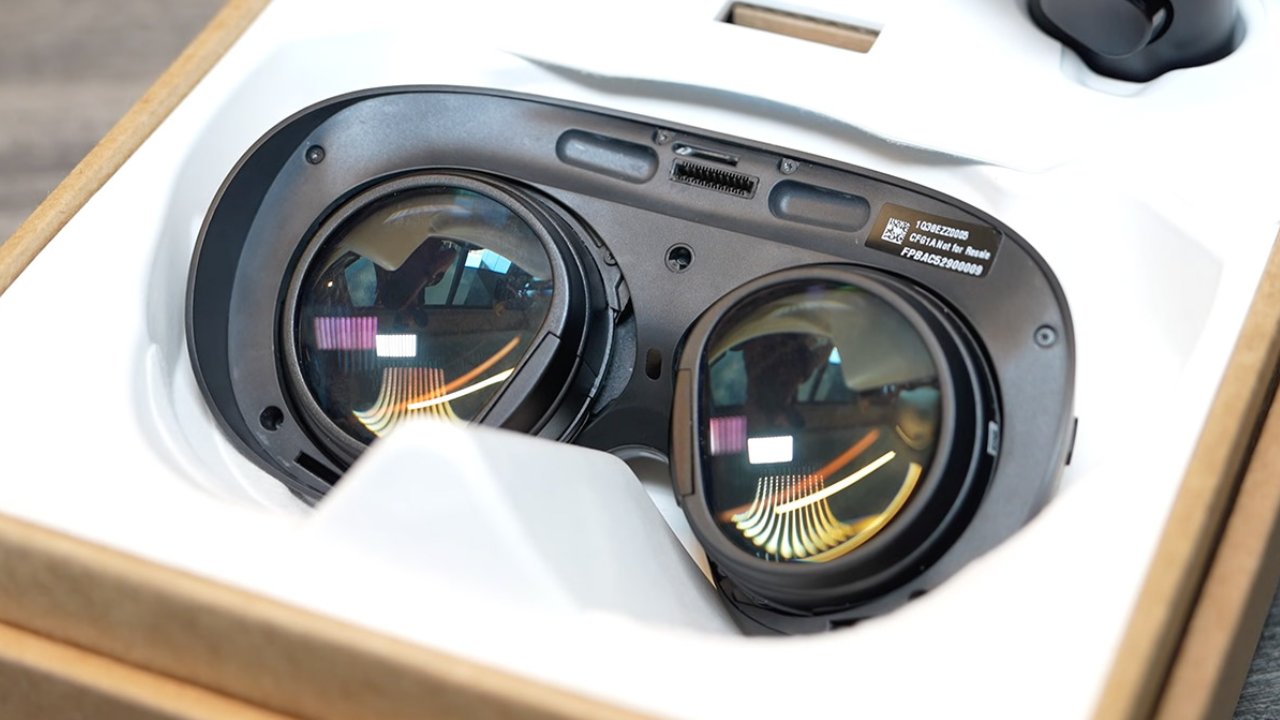
Another technology mentioned in the report is something called foveated scaling.
The display controller scales different sections of an image in hardware, placing more pixel density where the eyes are looking. This could make the panel appear to run at its native resolution while using only a fraction of the bandwidth. Foveated scaling should not be confused with foveated rendering or foveated streaming, as these are different technologies.
However, eye tracking appears likely to play an important role. The current Steam Frame already has eye tracking, although the report does not clearly explain how it would work with Plano. We have previously discussed how operating-system-level foveated techniques could benefit everything Valve makes, so it makes sense for the company to experiment with this technology in hardware.
Valve appears to be exploring ways to improve foveated technology across its VR hardware, although the available code does not confirm how the final implementation would work. Battery life is one of the first considerations for a higher-resolution OLED headset. Valve rates the current Steam Frame's battery at 21.6Wh but does not publish an official runtime.
Editor, NoobFeed
Gaming Hardware Updates
No Data.