
Xbox Project Helix Explained: Console Simplicity vs. PC Power Debate
Next generation Xbox aims to unify multiple libraries, yet maintaining seamless performance and simplicity remains a key uncertainty.
Hardware by Nahe Yan on Apr 05, 2026
Xbox is starting to discuss Project Helix, the name of its next-generation console, more publicly. Some parts sound cool and interesting, but other parts make me worried.
Xbox has had a fascinating year, especially since the leadership has been completely changed, which might mean new aims and directions. The next generation strategy is still going well in one area. Xbox talked about its plans for Project Helix at GDC last month.
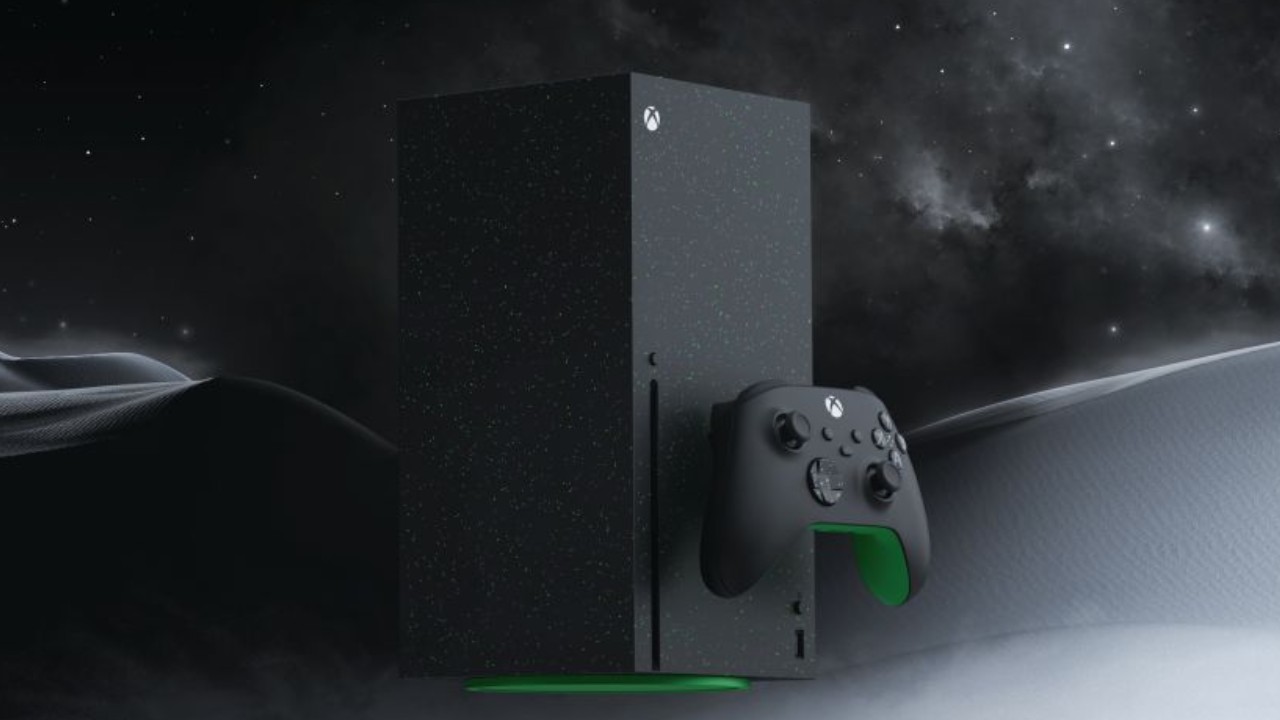
Focus on Power and More Features
The aim was to make typical enhancements, such as increased power, improved FSR management for better performance without sacrificing visual quality, and more advanced ray tracing for more realistic lighting. One interesting thing about the system is that it wants to become a more complete gaming platform. It is meant to work as both a regular Xbox console with access to its library and backward compatibility, and as a streamlined PC that can use PC stores and libraries. This allows you to play more games on a single system.
The PC vs. Console Debate and the Main Issues
This method has sparked discussion about whether it remains a console or becomes a gaming PC with more features. The differentiation itself is not the primary focus. The question is whether this kind of technology can keep the simplicity that makes consoles what they are. For a long time, the gaming market has kept console and PC gamers apart. Many people use both, but most people favor one platform over the other. Simplicity and control are two important differences.
PC gaming has some advantages, including the ability to upgrade hardware, a wide range of configuration options, and the use of mods. Console gaming is all about keeping things simple so gamers can instantly start a game without changing any settings. Most games are designed to work best on the system, resulting in a smooth, straightforward experience. Over the years, both Xbox and PlayStation have added more features, such as media capabilities and extra functions. However, there has also been an effort to keep the consoles focused on games.
Worries About Losing Simplicity
By integrating features from consoles and PCs, Project Helix aims to make gaming more accessible. The worry is that supporting many other libraries and systems that weren't designed for the platform in the first place could make the experience more complex. You can compare it to the Xbox ROG Ally. It works well as a powerful handheld PC that can play demanding games. It also tries to connect handhelds and PCs with an Xbox-style interface that puts all the games in one library.
The UI makes it easier to use than other Windows handhelds, but the device is still a Windows PC at its core. Users may still face interoperability issues, cross-platform conflicts, and the need to maintain multiple shops. Even though games are shown in one library, you still have to do extra procedures to install them and maintain your account. It's easy to see the difference in user experience between this system and one designed solely for simplicity, like a Switch 2.
Uncertainty in the Hardware Market and Prices
This comparison shows why Project Helix is a worry. Opening access to more libraries could make things more complicated and make consoles harder to use. Even though the idea offers more choices, it might not address an issue that most people agree on. It's unclear whether they will be able to keep things simple and consistent.
These worries are based on what is happening with similar gadgets right now and are only guesses. After the product is released and people can use it, we will know how well it works and how easy it is to use. The current state of the hardware market is another concern for people. Prices have gone up because there aren't enough memory chips. This is shown by the recent price hikes for consoles. As outdated hardware costs more, the possible cost of Project Helix becomes a consideration. If current systems become too expensive, future technology could push prices even higher.
AI Integration and System Management
There is also some doubt about how AI features will work together. Microsoft has said that it aims to add AI features to help with games, such as Xbox Copilot. There are warnings about using low-quality implementations, but the presence of AI raises questions about how it will affect the overall experience.
This is comparable to past efforts to make consoles more useful, like how the Xbox One was marketed as an all-in-one entertainment device. Project Helix is different because it keeps its focus on gameplay while also changing how that focus is delivered. This could lead to a system that doesn't work the way people expect a console to.
Final Thoughts
One thing that stays the same is the overall plan to make games available across multiple platforms. Xbox is still working on publishing games for other consoles and PCs, in addition to its own devices. This makes sure that first-party games can still be played on any system.
Also, check our other hardware articles:
- AMD Ryzen 9 9950X3D Review: Setting The Standard For 2025 Gaming CPU
- Amazon Luna 2025 Review: Is Prime Gaming's Cloud Service Your Go-To For Casual Fun?
- AMD RX 9070 XT Review: AMD's RDNA 4 Champion for 1440p Gaming
- GeForce Now Ultimate: Ditching Your Gaming PC For Cloud RTX 4080 Power?
- NVIDIA GeForce RTX 5080 Review (2025): Still A 4K Gaming Powerhouse?
- Intel Core Ultra 9 285K Review And Performance Breakdown (2025)
- AMD Ryzen 7 9800X3D Review: 3D V-Cache Goes God Mode with Stunning Gaming Performance
- Intel Core Ultra 9 285K vs AMD Ryzen 7 9800X3D: In-Depth Gaming Performance and Benchmark Comparison
- NVIDIA GeForce RTX 5080 Super Performance In Cyberpunk 2077: Path Tracing & DLSS 4.0 Tested
- AMD Radeon RX 9070 XT In Cyberpunk 2077: Ray Tracing & FSR 4.0 Tested
- Intel Arc B580 Review: The $250 GPU Revolutionizing 1440p Gaming
- Intel Arc B570 Vs. B580: Value, Specs, And Real-World Gaming Performance
- RTX 5090 Laptop Vs. M4 Max MacBook Pro: Ultimate Raw Performance Vs. Battery Endurance
- Intel Arc b580 Vs. RTX 4060: Game Performance And Value Analysis
- RTX5090 Hell Is Us Demo 4K Ultra Benchmark: DLSS Vs. Native Performance Guide
- NVIDIA RTX 5070 Review: Mid-Range Muscle or Marketing Hype?
- Nintendo Switch 2 Review: Handheld Performance, Features & Value Breakdown
- RTX 5070 Ti Review: Performance, Thermals & Power Efficiency Tested
- Samsung Odyssey OLED G81SF Review 2025: Ultimate 32-Inch QD-OLED Gaming Monitor
- AMD RX 9070 Performance Review: Thermals, Clocks, and Real-World FPS
- AMD Ryzen 5 7600 Review: Best Budget Gaming CPU of 2025?
- AMD Radeon RX 7800 XT Review: RDNA 3 Power For Midrange Gaming
- Asus ROG RTX 5090 Astral OC Vs. Founders Edition: The 4K Gaming Benchmark
Editor, NoobFeed
Gaming Hardware Updates
No Data.