
Xbox Series X With NVIDIA GPU Architecture Technical Possibilities Explained
Analysis of a hypothetical Xbox Series architecture using Nvidia GPUs and the technical implications for console hardware design.
Hardware by Nahe Yan on Mar 09, 2026
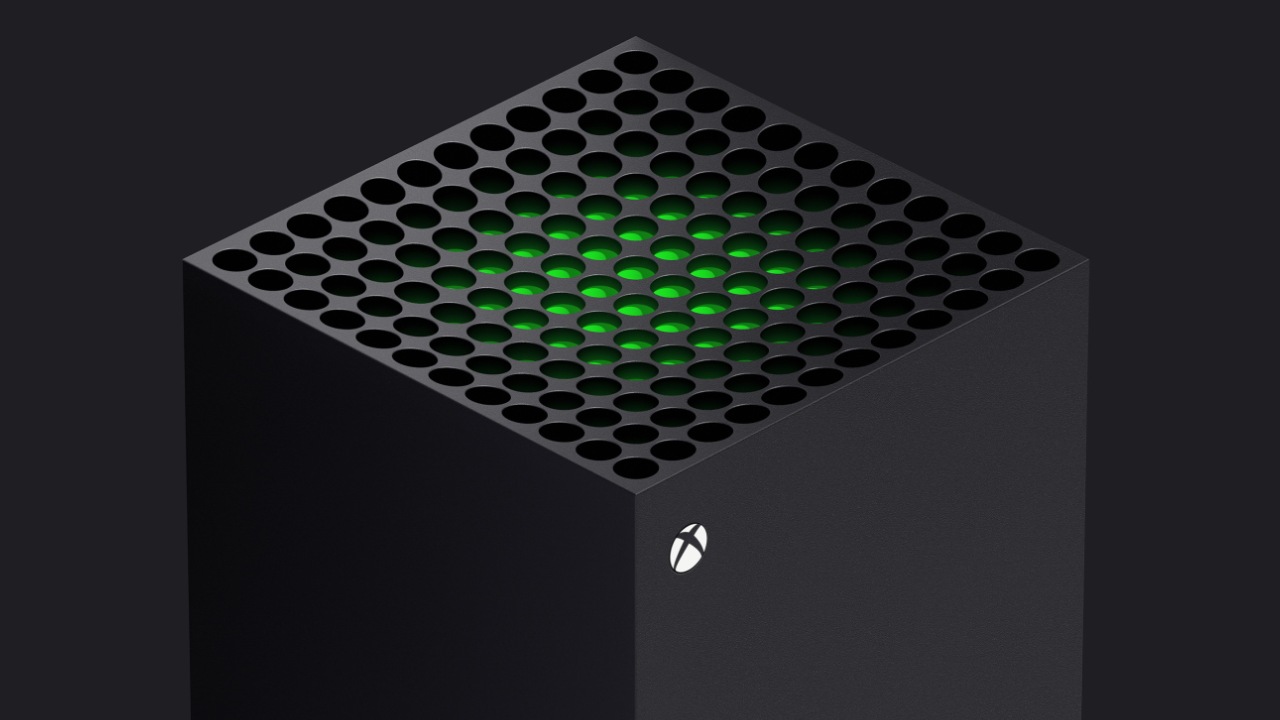
When people talk about console hardware choices, they often present hypothetical scenarios involving different architectures. One notion is that Microsoft will use an Nvidia GPU for the Xbox Series generation. If you had made that choice, the machine would have been substantially different from the PlayStation 5. The architecture might have changed significantly, adding features common to Nvidia's PC ecosystem.
The potential makes us wonder about ray tracing, better image quality, and technologies like DLSS. Theoretically, those parts improved the system in several ways. But that choice would have come with many technical and logistical problems.
Architectural Variations and Compatibility Issues
It's clear right away that picking Nvidia hardware would have led to a totally different system design. People might be worried about backward compatibility, especially since older Xbox models used AMD architecture.
You would also need to consider the CPU's architecture. If the design had followed Nvidia's usual integrated development process, a system-on-chip approach might have required an ARM CPU. In 2019 and 2020, ARM processors weren't as good as x86 processors for console workloads. If the other console platform had a big CPU upgrade, that gap would have been a problem.
Things like the manufacturing process would have also been important. The Turing design from Nvidia used a 12nm technology, and the Ampere architecture later switched to Samsung's 8nm manufacturing around the same time. The availability of process nodes and production schedules could have made it harder to design a custom console.
The Issue of System Integration
Another important question is who would make and design the SoC. NVIDIA has made integrated designs before with its Tegra products. Still, we need to determine whether the business has the engineering capacity to develop a full console-class CPU.
You might think of two things. NVIDIA might make a system that has both a CPU and a GPU, or the design could have the CPU and GPU as distinct parts. Going back to a split design would be like how seventh-generation consoles used to work, and it would cause problems with costs and integration.
These uncertainties would make it harder to make things, use more electricity, and make things more complicated. All of those factors directly affect the price of consoles and the length of their support.
Strategy for the Development Ecosystem and Platform
The developer ecosystem also becomes an important part of the picture. Xbox made the Game Development Kit to bring together console, PC, and cross-generation development in one place. That plan worked in part because both platforms were based on AMD architectures.
It might have been difficult to keep that unity if Nvidia hardware had been chosen. You might see distinct ways of developing for PC and console builds. Developers making games that run on multiple platforms would have to consider the differences in how consoles are built.
Another worry is who owns the intellectual property. Microsoft and NVIDIA had problems in the past about who owned IP during the original Xbox period. NVIDIA usually licenses its technology rather than granting a partner full rights. That distinction could affect long-term judgments about platforms.
Market Position and Developer Goals
Market positioning is also important. Xbox was the smaller console platform at the start of this generation compared to its rival. In those situations, developers often aim for the lowest common denominator when making games that work across multiple platforms.
We can picture a situation where the Xbox hardware had better ray tracing and DLSS capabilities. Even with those features, developers might not use them to their full potential if another platform didn't have the same hardware support.
You would still find games that were made with the basic features of the other system in mind. Because of this, the technical benefits may not be there in many cross-platform games.
Possible Benefits of Technology
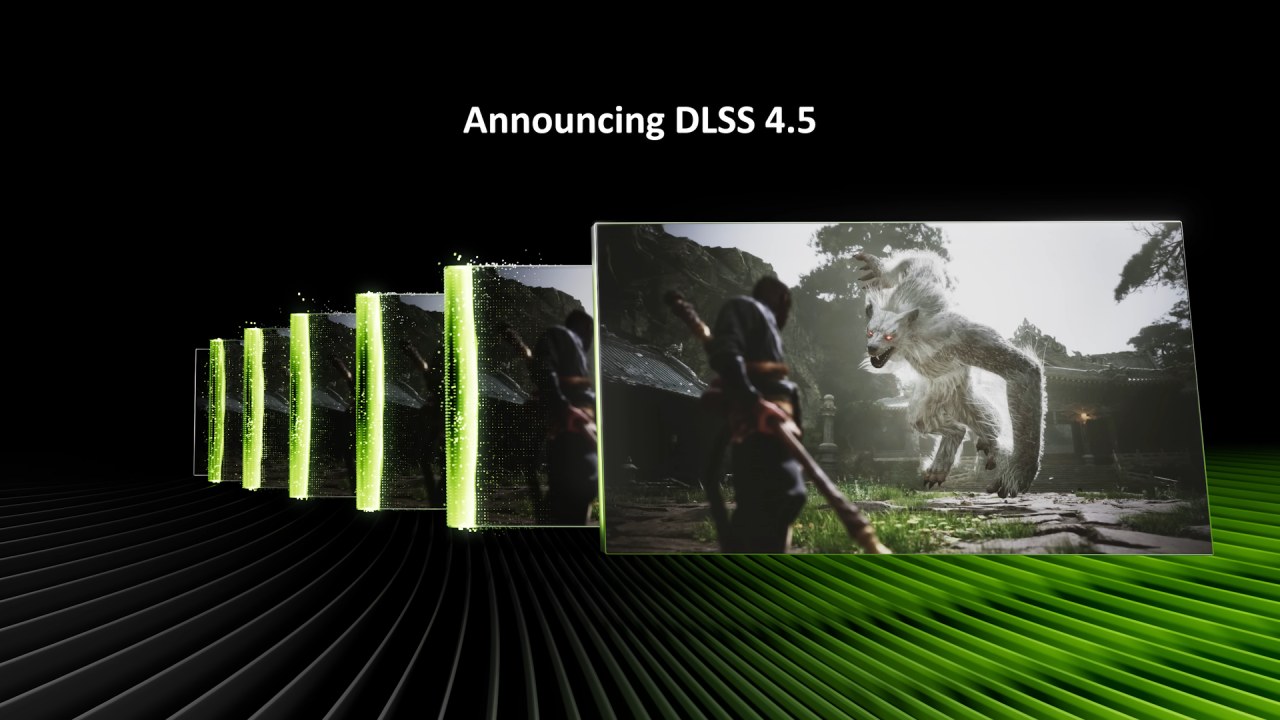
Even though there were concerns, Nvidia's approach may have brought several benefits. DLSS could have given us better ways to recreate images earlier in the generation. Ray tracing acceleration may have been better than the basic versions that were offered at launch.
With those characteristics, the design looked like features added later with better hardware, such as later console revisions that used advanced reconstruction technology. In a potential 2020 system, some functionalities might have been available sooner in the console's life.
But depending on the design choices and manufacturing constraints, rasterization performance might not have been as good as that of other gear.
Different Versions of the Console and how the Price Changes
Another topic that hasn't been answered yet is what the lower-cost console model would look like with this design. Series S depended on the core architecture's cost scaling. To accomplish similar price goals, a new Nvidia-based platform would need to be carefully scaled.
You need to maintain high performance while keeping production costs down. When you add new architectural and integration strategies, it becomes hard to keep that equilibrium.
The main problem was not the hardware. Even with these options, hardware alone doesn't explain the problems the platform is having. Xbox Series X is still a powerful platform in terms of design and sheer power.
We can see that the system has problems that go beyond only the hardware. Platform strategy, software releases, and the broader ecosystem are more important to a platform's success than the platform itself.
You could think that Nvidia hardware would make the system more powerful, but the whole platform experience might not change. In that case, better visuals would not have a big impact on the platform's market position.
A Future That Fits With PC
In the next generation, a possible deal with NVIDIA might make more sense. If the goal is to better fit into the PC environment, NVIDIA hardware might be better because it works with more devices and helps develop new technologies.
You would also have more time to work on the system around that architecture. Planning this kind of change earlier in a console cycle would reduce integration risks.
Final Thoughts
This choice could also lead to an interesting split in the industry. NVIDIA partnering with Windows-based systems would be different from AMD hardware being used in Linux-based gaming systems.
In that case, you might see two ecosystems that compete with each other: NVIDIA and Windows on one side and AMD and Linux-based gaming devices on the other. That dynamic could affect how platforms are planned in the future and what developers focus on.
The notion is still an interesting mental experiment. But the situation is complicated by real-world limitations in manufacturing, development tools, compatibility, and ecosystem design.
Also, check our other hardware articles:
- AMD Ryzen 9 9950X3D Review: Setting The Standard For 2025 Gaming CPU
- Amazon Luna 2025 Review: Is Prime Gaming's Cloud Service Your Go-To For Casual Fun?
- AMD RX 9070 XT Review: AMD's RDNA 4 Champion for 1440p Gaming
- GeForce Now Ultimate: Ditching Your Gaming PC For Cloud RTX 4080 Power?
- NVIDIA GeForce RTX 5080 Review (2025): Still A 4K Gaming Powerhouse?
- Intel Core Ultra 9 285K Review And Performance Breakdown (2025)
- AMD Ryzen 7 9800X3D Review: 3D V-Cache Goes God Mode with Stunning Gaming Performance
- Intel Core Ultra 9 285K vs AMD Ryzen 7 9800X3D: In-Depth Gaming Performance and Benchmark Comparison
- NVIDIA GeForce RTX 5080 Super Performance In Cyberpunk 2077: Path Tracing & DLSS 4.0 Tested
- AMD Radeon RX 9070 XT In Cyberpunk 2077: Ray Tracing & FSR 4.0 Tested
- Intel Arc B580 Review: The $250 GPU Revolutionizing 1440p Gaming
- Intel Arc B570 Vs. B580: Value, Specs, And Real-World Gaming Performance
- RTX 5090 Laptop Vs. M4 Max MacBook Pro: Ultimate Raw Performance Vs. Battery Endurance
- Intel Arc b580 Vs. RTX 4060: Game Performance And Value Analysis
- RTX5090 Hell Is Us Demo 4K Ultra Benchmark: DLSS Vs. Native Performance Guide
- NVIDIA RTX 5070 Review: Mid-Range Muscle or Marketing Hype?
- Nintendo Switch 2 Review: Handheld Performance, Features & Value Breakdown
- RTX 5070 Ti Review: Performance, Thermals & Power Efficiency Tested
- Samsung Odyssey OLED G81SF Review 2025: Ultimate 32-Inch QD-OLED Gaming Monitor
- AMD RX 9070 Performance Review: Thermals, Clocks, and Real-World FPS
- AMD Ryzen 5 7600 Review: Best Budget Gaming CPU of 2025?
- AMD Radeon RX 7800 XT Review: RDNA 3 Power For Midrange Gaming
- Asus ROG RTX 5090 Astral OC Vs. Founders Edition: The 4K Gaming Benchmark
Editor, NoobFeed
Gaming Hardware Updates
No Data.