
Battlefield 6 Mortar Buff Changes The Multiplayer Landscape
The update to the deployment zone causes debate as mortars become more strategic.
News by Nusrat Choity on Apr 08, 2026
A new update to Battlefield 6 has changed how you play with other people. The mortar now has a lot more power. The weapon can now be used in deployment places. This change is getting people all over the community talking. In the past, the mortar wasn't used much because it was thought to be slow and useless, especially in Breakthrough games where the frontlines move quickly.
Players can now fire from a safe area, which keeps enemies guessing and adds a new level of tactics to games. The update doesn't just change where explosives can be used; it also makes it easier to hit the same spot over and over again. Each shot at the same spot is more accurate than the last, so there is tactical pressure instead of just random blasts.
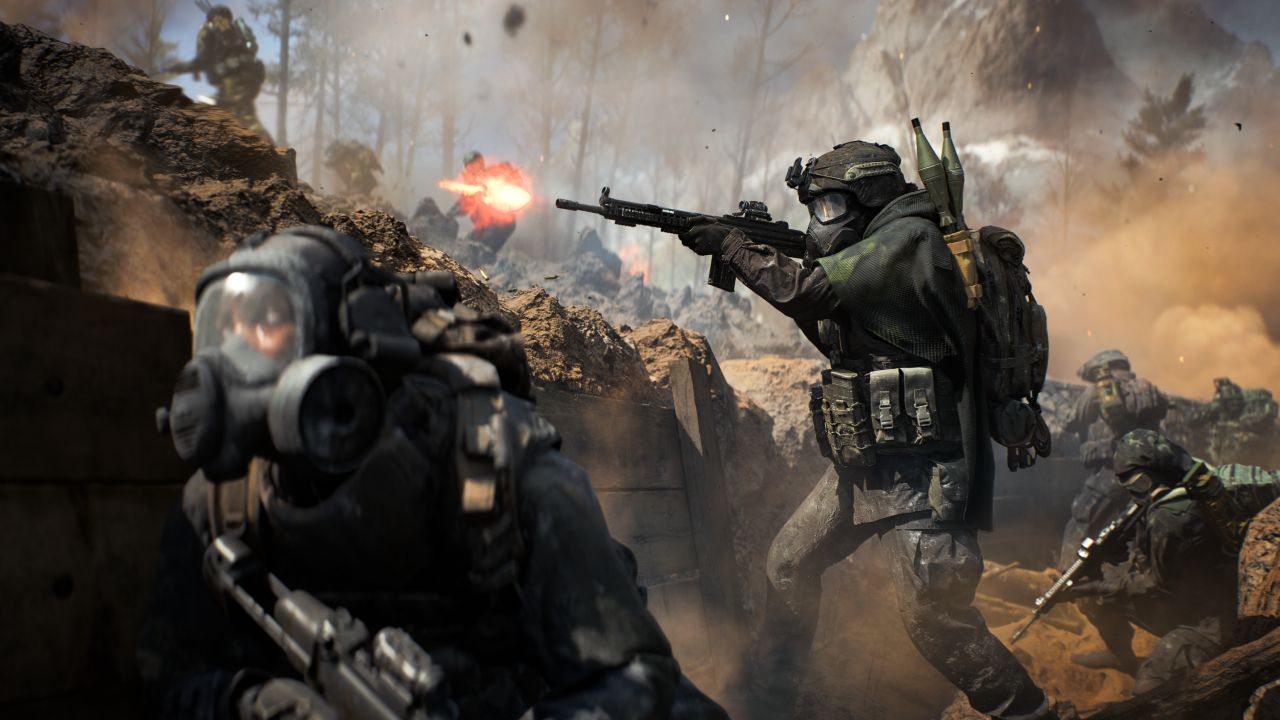
The explosions force enemy players to move, mess up planned pushes, and give you control over key choke points, even if the shots don't always kill. The fire support perk makes this system even better by increasing the rate of fire when supply bags are close.
This combination lets mortars be used quickly and continuously, which can change the flow of the fight and sometimes turn the tide of an engagement that has been held up.
This result stands out even more on maps like Mira Valley. It's easier for mortars to take over certain zones when there are open spaces and a lot of targets close together. Counter-mortar play is now necessary and that players can't ignore secondary fire any longer. To destroy enemy mortars, teams must work together, which makes the combat more tactical.
Some players are upset that the update makes other players stay back and focus on mortars instead of pushing goals, but others say it finally gives the weapon a useful role in battle. The mortar may not kill as fast as regular guns, but it can stop the enemy from moving forward and change the outcome of important battles.
Even though people have different thoughts on it, the mortar buff has changed the way games are played. This gun is more of a military tool than a cool toy. It's more important than ever to be able to suppress, place, and read maps. In Breakthrough modes, in particular, things have changed. Now, players have to balance traditional assault jobs with mortar support.
People in the community are arguing about whether this makes the game harder or more smart. Some veterans like the extra depth, but others are worried that using big mortars could slow down the game and make people less interested in fighting on the front lines.
When you watch the games again after the update, it's clear that grenades can take over an area without killing everyone in it. Even a well-placed shot that doesn't kill can stop enemy players from moving forward, which helps the team's general effort. Attackers must now find ways to get through or around areas that are constantly being bombed in order to get to targets that are being defended.
The update has made the game constantly push and pull, which changes the way you normally play on the battlefield.
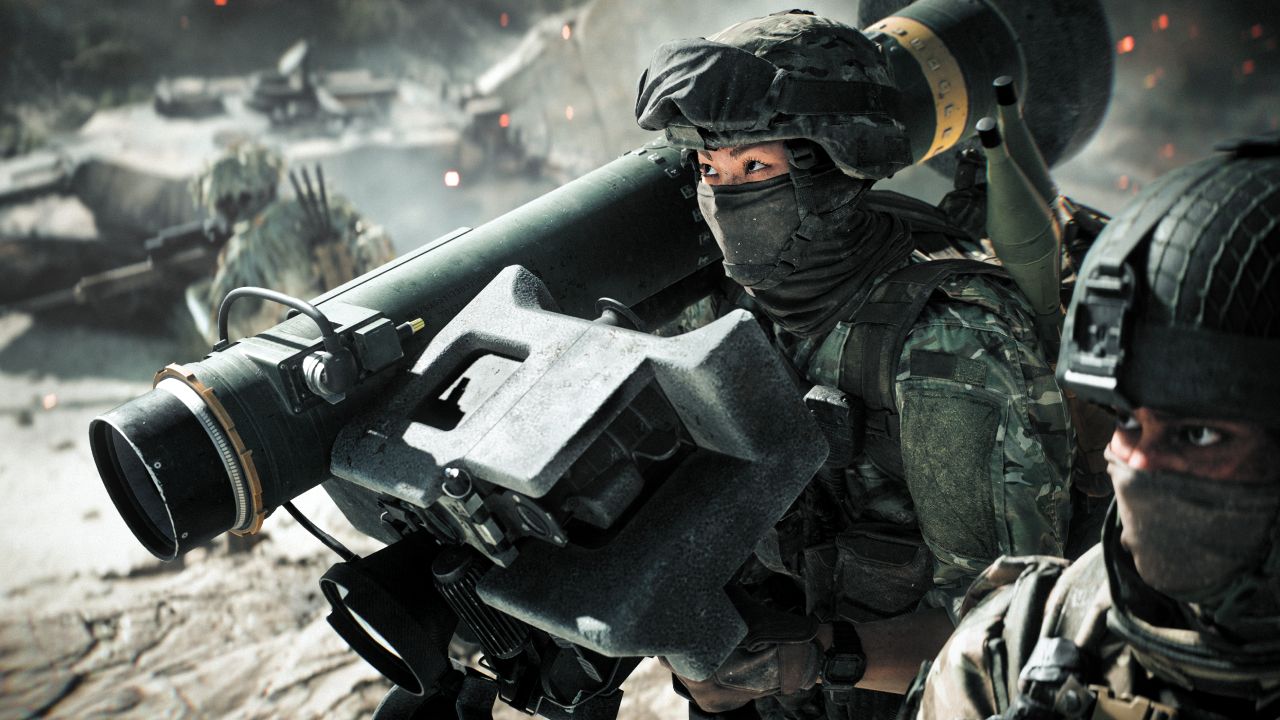
When it comes to tactics, mortars have added new levels of cooperation. Now, playing counter-strike is a must, not just a nice-to-have. Teams need to be able to talk to each other well to stop threats, and players who are on their own are less able to handle prolonged indirect fire. This has changed how matches work, making teamwork and knowing the map more important than ever.
Players who put in the time to learn how to use mortars can have a big effect on how a game turns out, even if they don't get a lot of kills themselves.
It has the most effect on maps with more open space and clear choke points. When players fire from deployment zones, they can control targets without putting themselves at risk. This forces the other team to change how they're attacking or have their offense stop. The suppression effect of mortars can stop enemies from healing or regrouping even when they don't kill them, giving teams that use them well an indirect edge.
Sources say that this planned use of the mortar has become a trademark of high-level play.
The gun also has a big effect on people's minds. When a team is constantly attacked, they often move more slowly, hesitate, and have less coordination. Some players like the confusion, but others find it annoying, especially when there are a lot of mortars on the field at once.
It makes the game faster, so a few well-placed bombs can change how the battle goes. When the new method is made public, people talk about tactics and the pros and cons of it on forums and social media sites.
The gun buff also shows how important it is to know how to read maps. A normal player can become very important to their team if they know which angles to hit from, which goals to take out, and when to switch between firing angles. Since mortars can direct the enemy's movement without always resulting in a kill, they are now used to deny them an area.
Even when direct hits aren't common, the constant threat forces enemies to change, which makes the game move more slowly but more carefully. For some players, this change adds a nice layer of strategy. For others, it could make the game feel dull if shells take over too much of the field.
Even though these things are worrying, there are times when the brickwork really shines. The attackers in Breakthrough mode can be stopped by a few well-aimed mortar shells when they try to get through places that are well protected. The other team has to change their plan because of this.
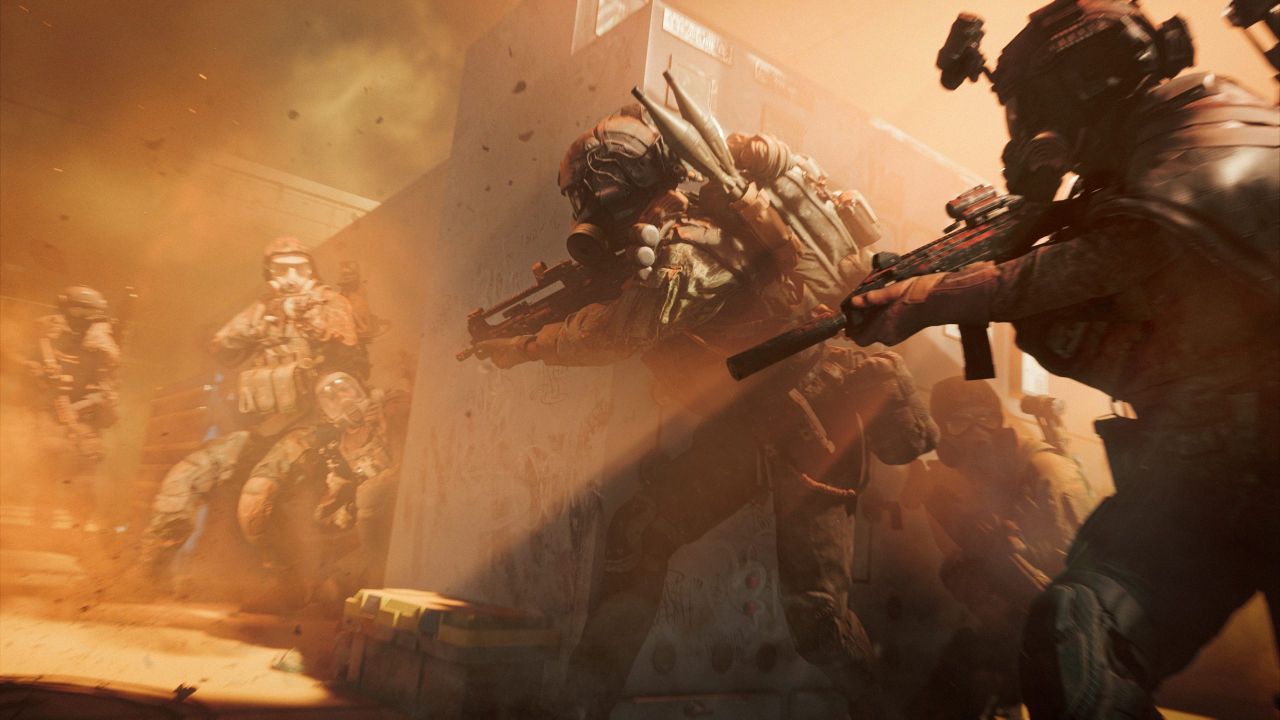
The attackers have to plan around indirect fire, and the defenses get a powerful tool to slow down the enemy troops. On maps with more open area and bigger maps, the weapon is worth even more. You can still use this weapon if you'd rather play strategy games than fight directly, since it has a long range and can cover key choke spots.
According to sources, the buff could change the meta of the game in the long run. It's possible that players will spend more time planning fire support and less time just focusing on their assault roles. When teams use mortars well, they can often take control of key targets with little risk to themselves. This forces opponents to either counter with their own fire support or risk taking heavy losses.
Using the mortar often makes the other team's plan hard, which changes how the game is played. However, it doesn't win the game by itself.
Sometimes, one change to a weapon can completely change how a group game is played. This is shown by the mortar buff in Battlefield 6. It's more important to stick to plans, fill roles, and work as a team. This has made a tool that wasn't very important before a big deal in the outcome of games.
After the change, players will have to think again about their goals, how they control the map, and how they fight in a roundabout way. The meta is likely to change even more as the community does. There will be new ways to place mortars, counter-fire, and help your team.
The mortar buff has made conversations, tactics, and fights possible that didn't exist before, whether you like it or not. You have to change how you attack and protect, and it changes the way players approach the battlefield in both small and big ways. Aggression and caution must now be balanced by players, as well as strategy and action and timing and performance.
The speed of the game has changed a bit so that you can now shoot quickly or carefully plan your moves. For sure, war 6 doesn't feel as stable as it used to, and any part of the map could turn into a war. As mortars fall and strategies change, the question still stands: Are players ready for the powerful new meta, or will the mortar buff cause a huge shift in how multiplayer games are played?
Contributor, NoobFeed
Related News
No Data.