
Crimson Moon Will Make You Question Every Dark Fantasy You've Played
Half-human warriors reclaim a fallen city while divine powers bend combat and worldbuilding into something sacred.
News by Zahra Morshed on Feb 15, 2026
There is a new competitor that has quietly shown up on the horizon and won't go away. When Crimson Moon comes out, it stands out from other dark medieval tales right away thanks to its style and goals. It's not the same old story about heroes and dragons. It's a tapestry made of Gothic church spires, angelic stories, and the broken pieces of a city that has been destroyed.
Crimson Moon, which was announced by ProbablyMonsters, a company with ties to Bungie's leadership, puts players in the role of Nephilim, warriors who are half human and half celestial. Their job is to rebuild the destroyed city of Gildenarch. The story's idea feels both familiar and new at the same time. In many role-playing games, worlds that have been destroyed come back to life. But the fight becomes more than just staying alive when divine agency is added.
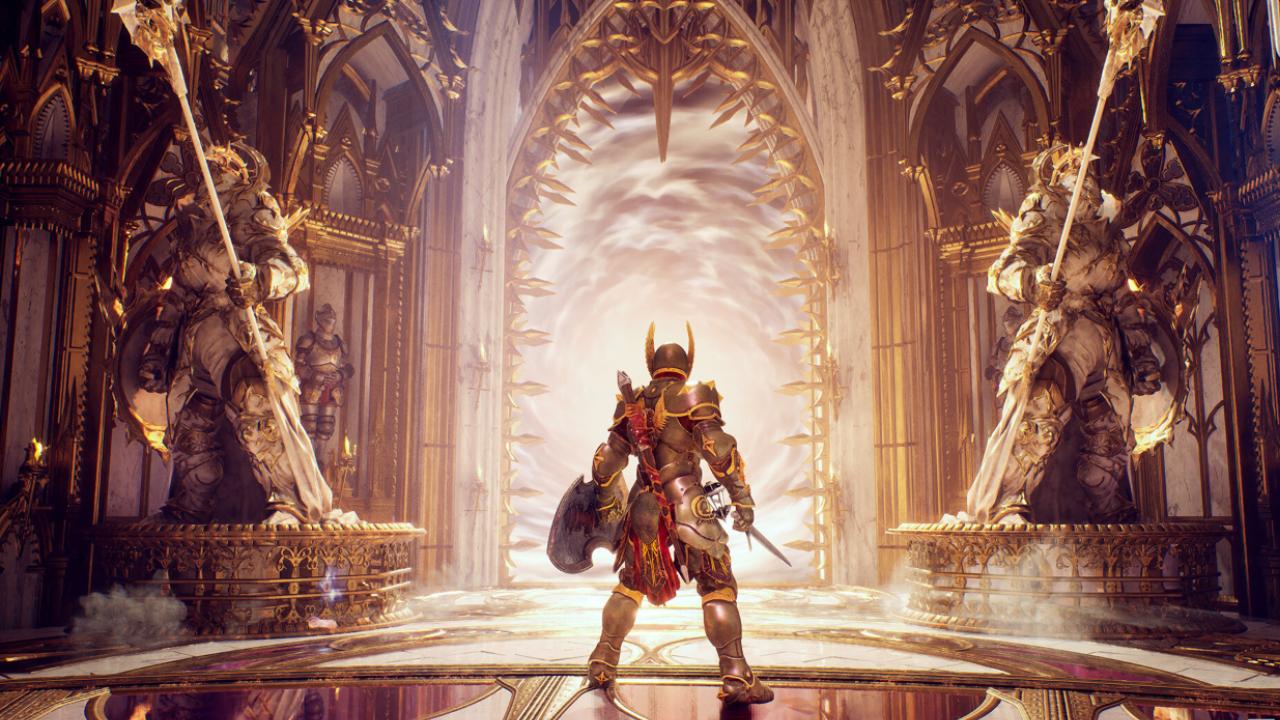
Reclamation feels holy here.
The gameplay is said to combine skill-based close fighting with celestial transformation skills that change how the battlefield moves. The Nephilim can change the course of battles in dramatic bursts by combining precise swordplay with times of transcendent power. This shifting between normal fighting and supernatural strength suggests a rhythm that rewards skill and being able to change your strategy on the fly.
Structural desire is what makes the idea better. Crimson Moon doesn't have a huge open world; instead, it's made up of tasks that can be played again and again. In Gildenarch, each district has its own gauntlet that players must carefully run to reclaim land. A war table hub lets you improve your skills, make new gear, and plan your next attack while raids are going on. This mission-based loop could keep the pace tight and keep the feeling of progress.
The design makes one think of games that have a mix between episodic structure and steady progress. Instead of being spread out over an undifferentiated open map, progress feels like it was won. If done right, this framework might keep you from getting bored with repetition, which happens a lot in big RPGs. Mission variety is important because boring plans or goals that are used over and over could kill the spirit of progress.
Players can choose to add cooperative play to the game.
Two-player co-op is more than just a comfort. It changes the priorities of tactics and the impact of stories. Attacking together with a friend can turn trouble into a chance to work together in a crooked world. Although co-op balance is notoriously hard. If you have a build that easily beats enemies by itself, it can make fights seem easy when paired with another optimized build. Calibration is important.
There is a strong choice of theme beneath the surface. Gothic Renaissance fiction is not the same as the dark medieval style that most RPGs use today. Cathedrals with dark walls, high ceilings that whisper old secrets, and spectral light coming through stained glass all create an environment that is less about death and more about life. In this place, the holy and the profane meet in a way that makes you feel tense.
The company that made Crimson Moon is also important. Even though ProbablyMonsters is a newcomer, its leadership team is made up of pros who have worked on blockbuster games and large live service ecosystems. People are looking forward to a new original IP from this kind of team. People today are picky about how much time and emotion they spend with things, so the world must resonate fast.
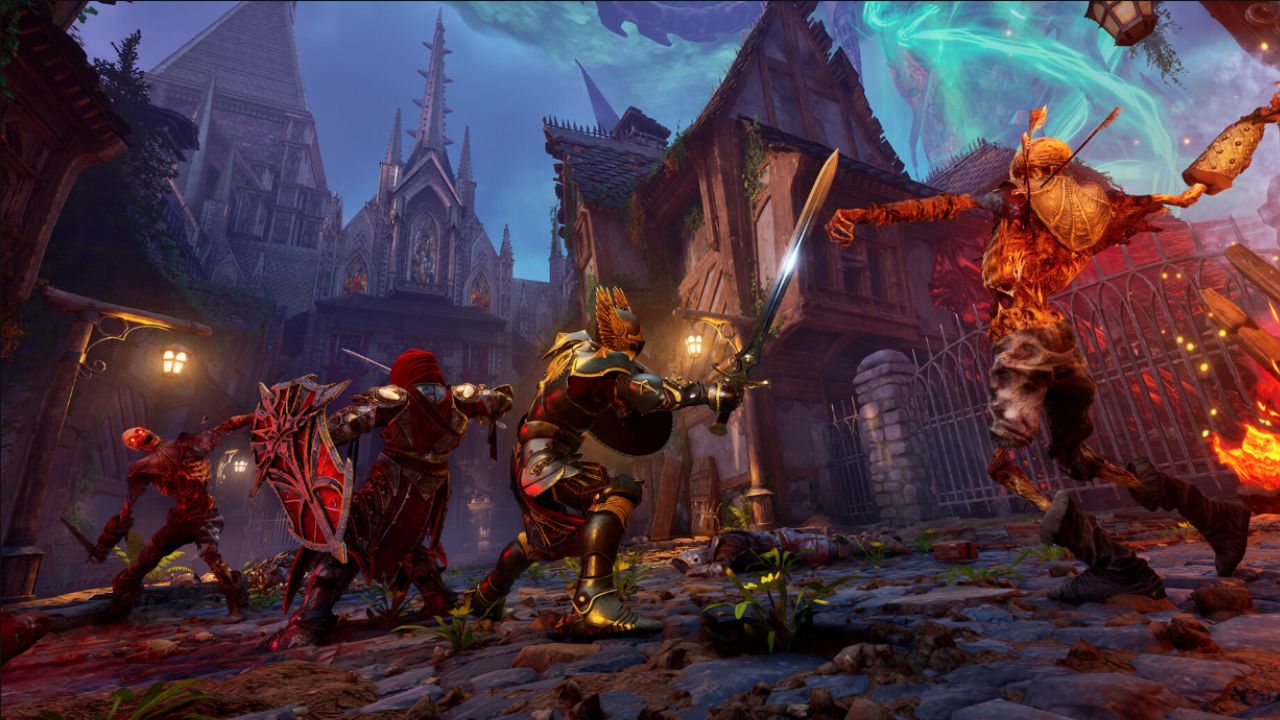
Within the first twelve hours, there needs to be a strong hook, or attention will fade.
Narrative depth can keep people interested. Taking Gildenarch back from demons, vampires, and dead gods hints that there are many mythical stakes. The city may become a character as well as a scene; its streets and holy places may whisper about what happened and why. This level of world-building can make you want to explore beyond automatic loops.
But desire always comes with risk. There are a lot of different systems that need to work together to make the game fun. These include melee precision, celestial transformation, replayable task loops, and co-op synergy. Focus can be lost when there are too many processes that interact with each other. Balance will be more powerful than words of promise.
Crimson Moon isn't just another dark fantasy book; it does more than that. It tries to change what it means by using myths about the stars and a gloomy style. It's still unclear whether this combination will draw players into its world or just make it look nice. Now the question is easy. Will the echoes of Gildenarch pull players into its dark or lose them in the familiar fall of night?
Contributor, NoobFeed
Related News
No Data.