
EA Rejected Dragon Age Remastered Trilogy for Mass Effect Legacy
From Origins to Inquisition, the unmade remaster could have preserved Thedas, but EA's decision leaves Dragon Age fans waiting.
News by Zahra Morshed on Aug 12, 2025
In a time when the past of video games is being brought back to life with more detail, one story stays hidden. Dragon Age has been more than just a series for a long time. It has been a world full of myths, political drama, and decisions that affect whole worlds.
The first two chapters in this saga still stand among the most celebrated role-playing experiences ever created, their characters and lore etched deep into the memory of players. Yet, in the long silence between Inquisition and the latest release, there was a moment when something else could have bridged the years. Behind closed doors, the concept was simple.
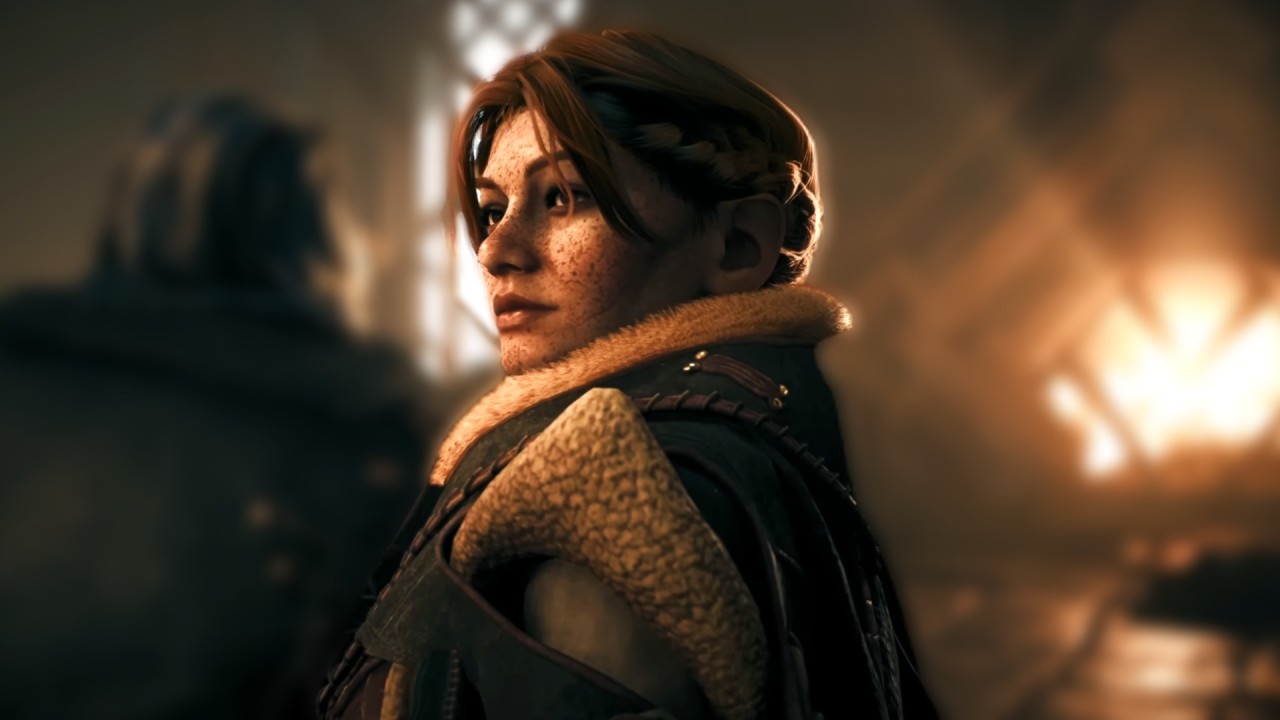
A complete remastered trilogy. Origins. II. Inquisition. Each rebuilt with modern fidelity, each carrying forward the soul of the originals while sharpening every blade, every shadow, every whispered line of dialogue. A vision that could have kept the world of Thedas alive for millions, while setting the stage for what would come next.
According to a veteran of the Dragon Age series, that vision reached the halls of EA. It was put forward. It was possible. And it was turned down. Why? Not easy to remaster. At a time when re-released classics rule the charts and bring back whole fan groups, this choice goes against industry trends and EA's own past decisions.
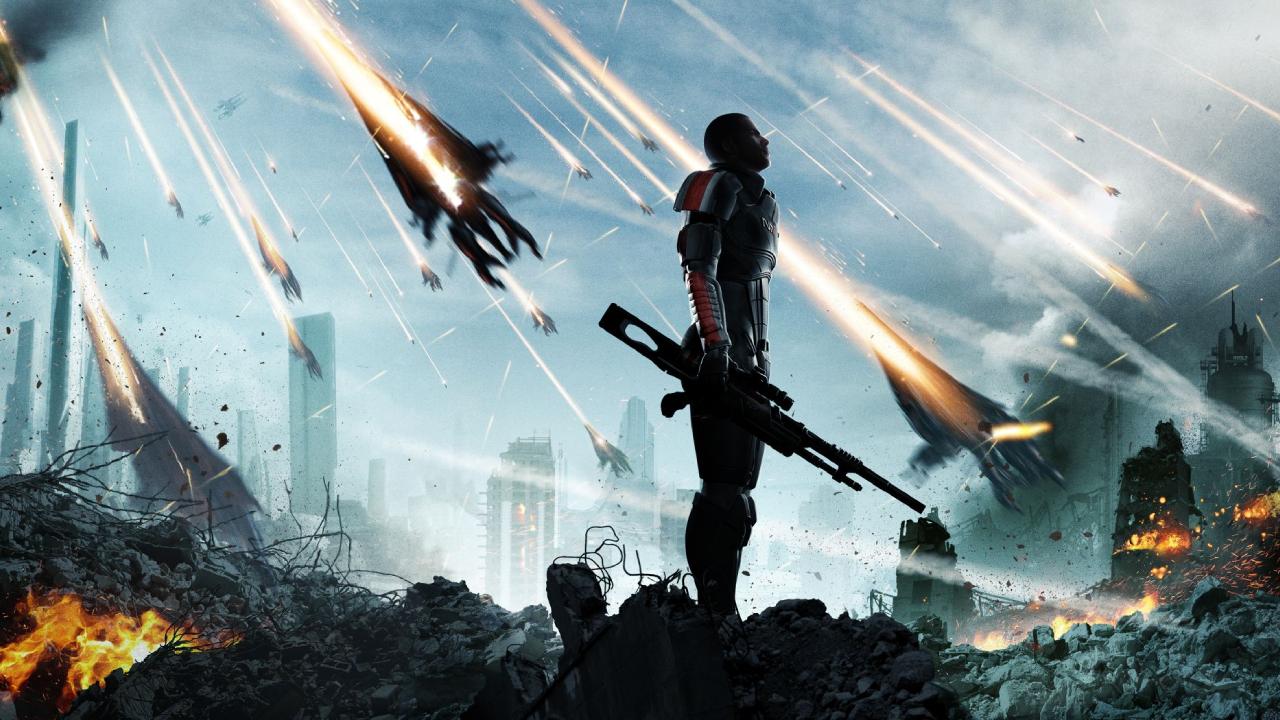
After all, Mass Effect got its Legendary Edition, a remaster that gamers and reviewers alike liked. There is no way around the irony. Two BioWare epics, born under the same roof. One resurrected. One left in the vault. It's a choice that reveals a long-standing truth: within EA, Mass Effect has often been placed higher on the pedestal.
And when it comes to Dragon Age, corporate directives have pushed toward accessibility—read: mainstream appeal—leading to design shifts that distance each installment from its predecessor. This is a story familiar to fans of other legendary series. Square Enix's Final Fantasy has walked a similar path, moving toward action-heavy systems in hopes of courting a broader audience.
But broadening the path can sometimes erode the foundation. Change too much, and the very players who built a franchise into legend may drift away. It wasn't just the world of the first Dragon Age that made it magical; it was also the depth of its systems, the slow pace of its strategy, and the closeness of its choices. If you water down that identity to reach more people, you might weaken the link that made it strong in the first place.
If the remastered trilogy had been accepted, it could have been a bridge—a way to remind people of what made the series so great, let new people see where it all began, and give longtime fans a chance to see Thedas with fresh eyes. It was just another thought that was put away and a possibility that wasn't looked into.
The business world goes on, though. Many things have been canceled by Microsoft recently, including its publishing deal with Avalanche Studios for the once-promising game Contraband. This has left a void that is full of rumors. There are no longer any projects; stories are spreading, and the future looks like a moving map where nothing is certain.
In that uncertainty lies the weight of the Dragon Age decision. A remaster is more than nostalgia—it is preservation, a way to anchor a series while navigating the uncharted waters ahead. And for Dragon Age, that anchor was never dropped.
The question now is not just why it was refused, but what that refusal says about the road ahead. In a time when reimagined classics are the norm, the lack of a Dragon Age remastered trilogy seems less like a missed chance and more like an intentional omission. Before the next part is even written, it changes the plot of the whole series.
The idea is still alive somewhere in the quiet parts of BioWare's past. Waiting.
Contributor, NoobFeed
Related News
No Data.