
Square Enix’s New Final Fantasy VII Steam Update Sparks Modding Backlash
Fans warn that a re-release could quietly erase a decade of community-made content and one of the most beloved moddable versions of the classic RPG.
News by Wasbir Sadat on Jan 30, 2026
Final Fantasy VII is a holy text in the history of video games, and for many players, it's more than just a classic—it's a favorite for life. Square Enix has put out many versions of the game over the years, from the original PlayStation version to remasters for PS4. They have also put out the ambitious Final Fantasy VII Remake series and other games based on the game, such as Ever Crisis. But among all these versions, the 2013 Steam update has stood out for a very good reason.
The Steam version of Final Fantasy VII lets you customize it however you want. Players could change the game's features, graphics, balance, and even its core mechanics in this PC version, but not in the console versions. From there, it grew into one of the biggest and most committed RPG modding scenes of all time. Communities grew up around improving the game, making it better, bigger, and more interesting while still staying true to its original structure.
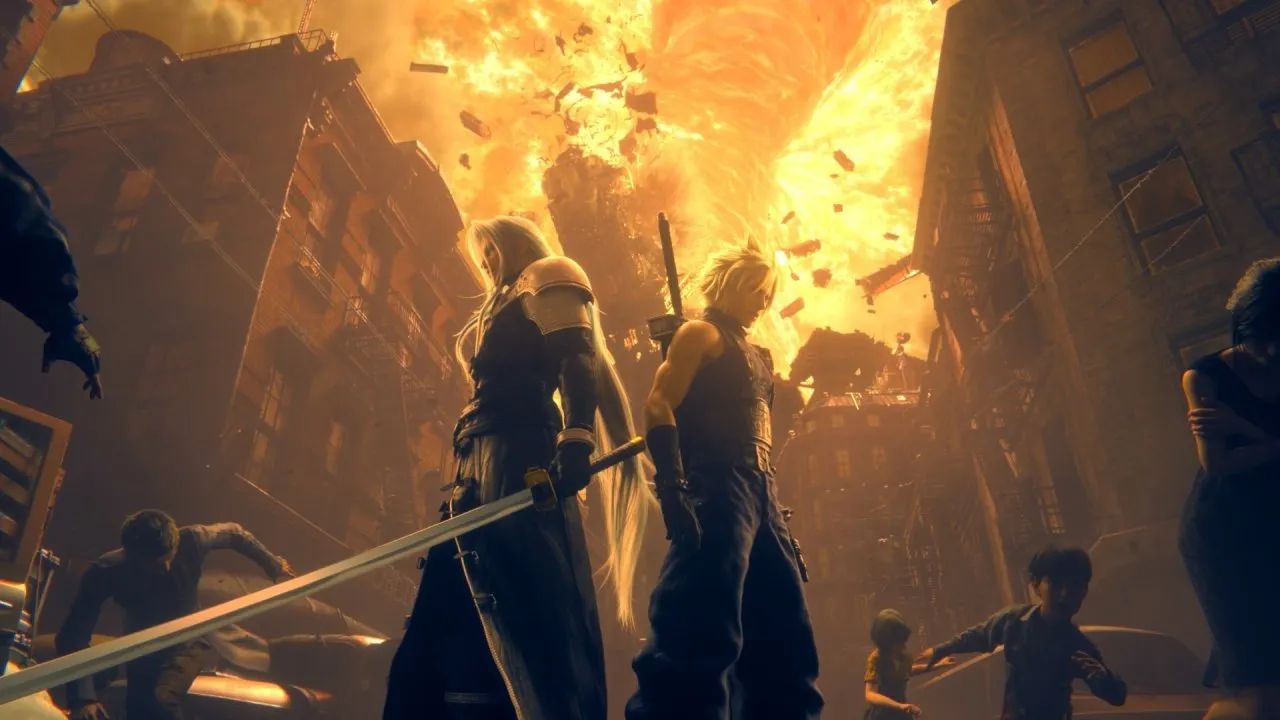
That's why Square Enix's latest news has caused so much worry. They said they were going to re-release Final Fantasy VII on Steam with what they call an "improved gameplay experience." The new version will be given to current owners for free, and Square Enix has said they will still be able to use the old version. But the original 2013 version will be taken off the market for new buyers, so future players won't be able to get it.
For fans who like to keep things the same, this change feels much more significant than a simple update.
A lot of people are worried that it will quietly break mod compatibility, which would mean that ten years of community work would be lost. Fans are telling anyone who wants to use mods to buy the current Steam version while it's still out there. It's not expensive—about five dollars—but once it's taken off the market, it might be the last version you can legally buy that lets you make deep customizations.
Many players think the new Steam version will be very similar to the game's versions, given years of small updates and remasters. These versions include quality-of-life features such as triple-speed gameplay, endless limit breaks, and various cheat toggles. Even though these features are useful, not everyone loves them. Some fans say the 1997 version watered down the original's pace and difficulty, which made it stand out.
One of the most controversial aspects of past remasters was Square Enix's decision to reveal secret features that weren't used in the original code. For instance, character mouth movements that weren't finished in the PlayStation version were added in later versions. Technically true to unused data, these improvements don't fit with the original art style, and many fans think they look bad when used.
However, the main problem that's causing the criticism is not the graphics or the ability to cheat. The biggest worry is that saves won't work together, and changes will break. Square Enix has already said that save files won't be able to be moved between the old and new versions. This is a clear sign that the systems underneath are changing.
Fans have made a lot of different things over the years, from high-resolution backgrounds and remade character models to whole new ways to play.
Some mods add items inspired by Advent Children or Dissidia, while others emphasize gameplay depth over how nice the graphics look. Though all of these projects are important, New threat is the most ambitious and well-known mod. New threat isn't just a change to the challenge; it's a whole new version of Final Fantasy VII. It changes how boss fights work by adding new mechanics, redesigning materia systems, introducing new dungeons, altering how battles in Fort Condor work, and even improving how characters progress.
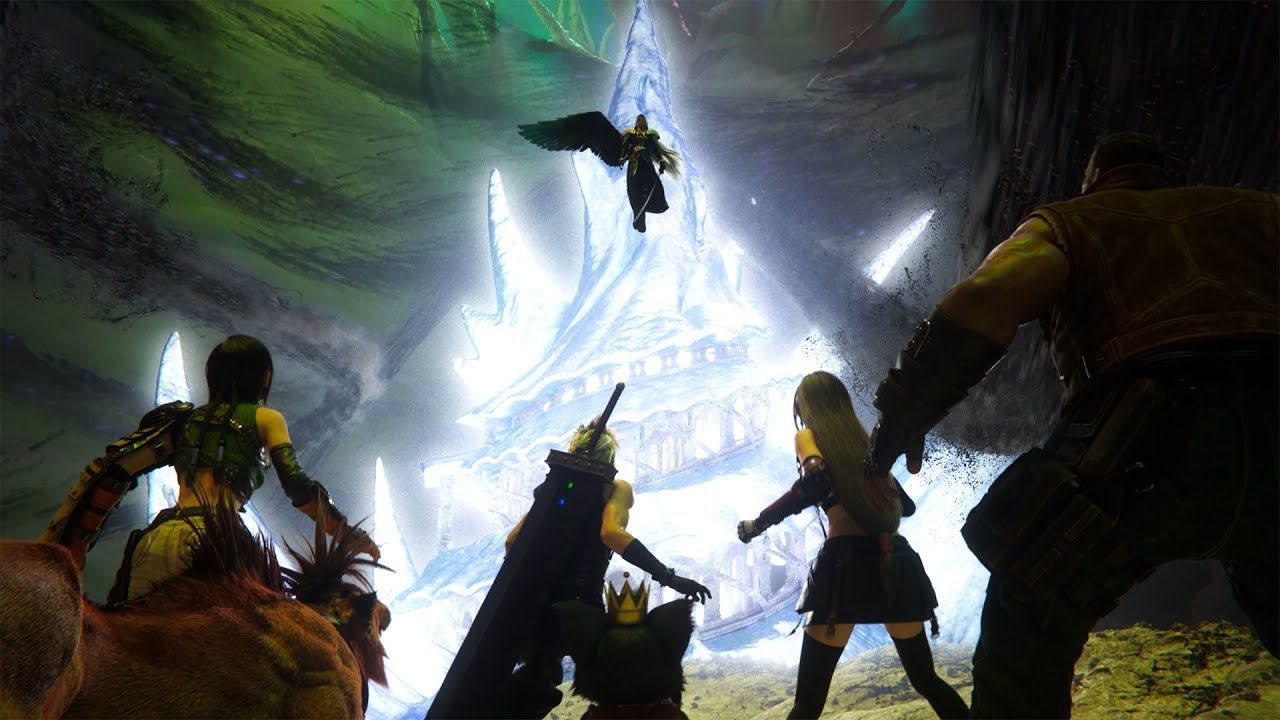
Yuffie and Vincent used to be optional characters, but now they aren't. Also, new encounters and limit breaks force players to rethink tactics they may have used for decades. For many fans, New Threat is the best way to show how much they love the first game. It's not meant to be Final Fantasy VII, but to keep things interesting for fans without diluting the game's soul.
Some people say Square Enix's decision reflects a broader industry trend: people are becoming less comfortable with mods. Publishers are focusing more on unified environments, monetization strategies, and controlled user experiences these days, so mods that anyone can use can sometimes feel like a liability instead of an asset.
From this point of view, mods are material that can't be easily supported, monetized, or regulated.
They make many "versions" of a game, which goes against the idea of a single, final result. Some fans think companies see this freedom as a threat rather than a way to encourage community involvement. A big change can happen quickly to a purchase that was made years ago. This feels very personal to players who have spent hundreds of hours tweaking the controls, making changes, and managing long-running save files to make their experience their own.
It makes fans uncomfortable to think that a company could make that experience useless with a re-release. It makes me think about control and preservation. People who want the re-release say that better versions help keep old games available to new players. Newer translations, better graphics, and quality-of-life features can make it easier for first-time players unfamiliar with past design styles to get started.
Some fans even say that a new translation would be the best thing Square Enix could do to improve the game. Even though it is popular, the original English translation of Final Fantasy VII is known for having many spelling and grammar mistakes. It's possible that a more up-to-date translation that preserves the original script could improve accessibility more than changes to the graphics.
But some people say that these changes shouldn't erase the past to make things better. A lot of players actually like the "janky" original presentation, with its low-resolution graphics, rough translations, and undeniable charm of the PlayStation era. For them, being real is important. When you play retro games, it's not about being perfect. It's about setting, history, and what it's like to step back in time to a certain point.
.jpg)
A call to action from the Final Fantasy community.
Fans still should be careful about the Final Fantasy material . Several people have told players not to change right away, saying that mods that don't work with the new version could make playing the game again on PC much less fun. For many, mods are the main reason they play Final Fantasy VII again.
There is a lot of confusion and anger in online talks. People are wondering why Square Enix took down the old version instead of putting it with the new one. Others say that owners should always be able to use the moddable model, even if a new version is made the standard. The new Steam release might still be worth it for casual gamers, but some people are worried that it means a move away from freedom and creativity driven by the community.
In the end, the debate brings up a common conflict in modern gaming: progress vs. preservation. Fans are left wondering if something precious is being lost as publishers fix up and repackage their old games. Even small changes can feel big for a game as well-known as Final Fantasy VII. To the people who have worked on a standard for more than ten years, the thought of it becoming forgotten is very hard to bear.
Contributor, NoobFeed
Related News
No Data.