
GPU, RAM and SSD Prices Continue to Stay High in 2026
GPU prices remain elevated despite a few reductions across Nvidia and AMD graphics cards in June.
News by Nahe Yan on Jun 18, 2026
The price of PC hardware remains uncertain due to ongoing shortages and volatile component prices. Price fluctuations have occurred in the GPU, RAM, and SSD markets in 2026, limiting the number of builders available at reasonable prices. Some good things have come out of it, but plenty of parts are still being sold for much more than they were initially priced.
We are monitoring prices month-by-month for products that are available for purchase in the USA. There are a couple of silver linings in the clouds when it comes to June. We've seen a few price drops at Nvidia, with some models getting cheaper, and for AMD Radeon RX 9070 XT, bringing $60 off, bringing it down to $650. That's still higher than its previous low of $600, but sometimes you just have to make do with what you've got.
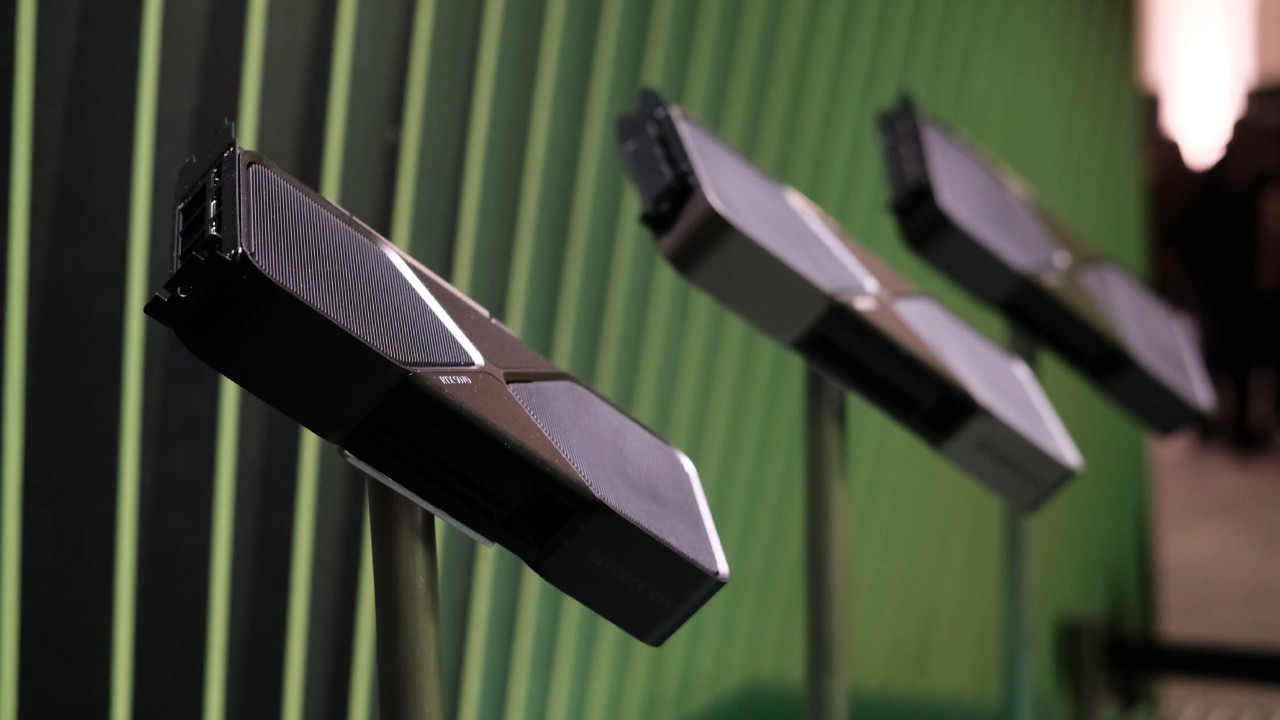
Prices are at their lowest at the end of 2025, but almost all GPUs are still more expensive.
The larger models are still premium. RTX 5070 Ti 16GB, RTX 5060 Ti 16GB, RTX 5080, and RTX 5090 are all roughly 25% to 30% above MSRP. RTX 5090 is now up to 200% over MSRP, with prices ranging from $2,000 to $4,100. Although the RTX 5050 sold for $200 last time, it's now under $290. The price of the RTX 5060 fell by $340, but 8GB cards are becoming less of a deal in 2026, particularly for local AI workloads or higher resolutions.
While TVS is more competitive in other segments, AMD still offers better value in some segments. The availability of Radeon RX 7000 cards is no longer consistent, but a few older models remain good alternatives. Radeon RX 7800 XT 16GB offers a similar price point, with higher rasterization performance, around $580.
Radeon RX 7800 XT 16GB is priced similarly, with even better rasterization performance, at around $580. RX 9060 XT 8GB is priced at approximately $350, which is $50 above MSRP. RX 9060 XT 16GB is the most affordable 16GB controller on the market and has been slightly reduced in price. RX 9070 GRE also hit the market with a $550 MSRP, but it finds itself in a difficult position as it still has 12GB of VRAM.
RX 9070 is relatively unchanged at around $600.
RX 9070 XT, however, has dropped to $650 and offers performance that warrants the extra $50 over the standard RX 9070. While it was thought that Intel's Arc series would help to accelerate entry-level gaming, the prices and availability have made that hard.
Intel doesn't seem to be planning B780 or B700 gaming cards, and it sounds like they are using B780 and B700 to build higher-end, professional-grade GPUs priced over $1,000. Arc B580 is now priced around $300, up from $235. With Nvidia's more advanced software environment, the RTX 5050 is now a better choice at current prices. B580 comes with 12GB of VRAM, but it isn't a good option. B570 costs roughly $250 and isn't really worth it.
Memory prices have risen slightly for DDR5 kits, while even more affordable DDR4 options are available. Older platforms don't enjoy the price benefit. Our main emphasis is on 32GB and 64GB kits. DDR5 memory with CAS 32 or lower at DDR5-6000 is good for DDR5. Prices are up, much higher than they were before the crisis. Memory prices are nearing five times their former value, with an $82 32GB kit selling for about $385.
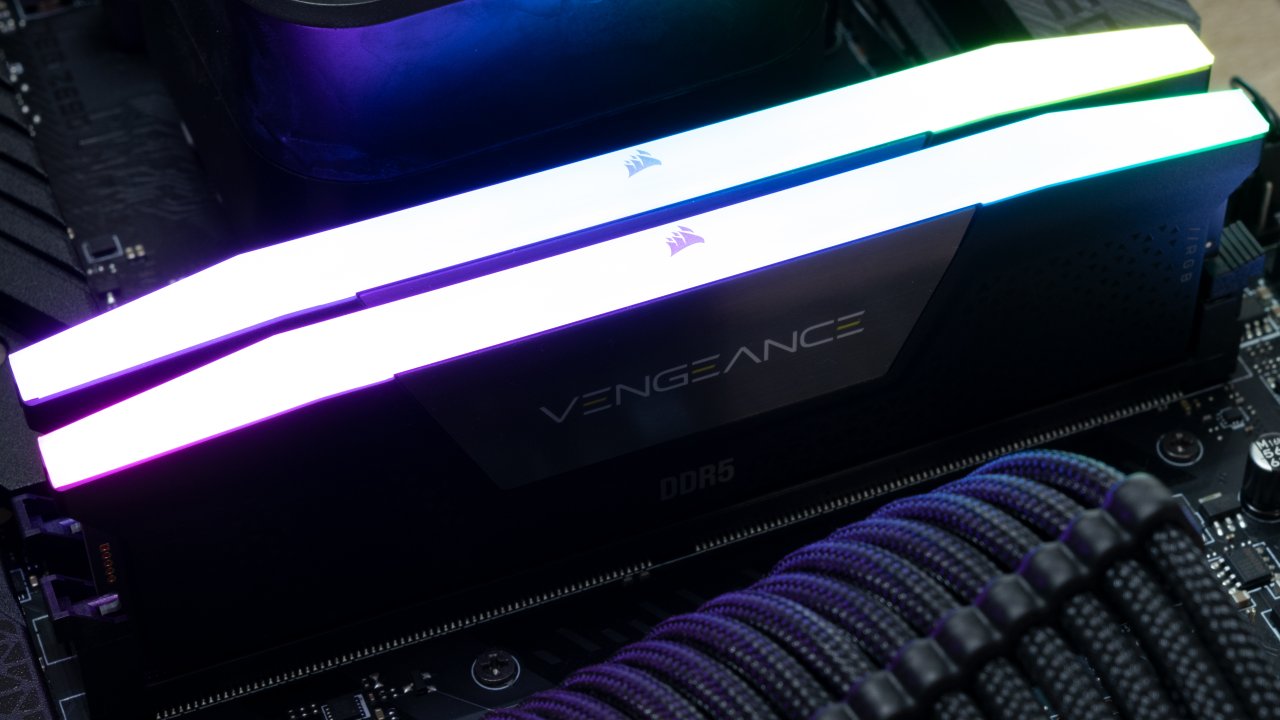
The current price for a 32GB DDR5 kit is around $390.
It doesn't really make much sense to save a few dollars by buying slower memory. So you are losing a bit of time for big savings. It's even worse for those who need 64GB. The price of workstations has risen by $500 to $600 over the years. Good DDR5-6000 CL30 kits now cost around $800. Slower kits will save about $100 if speed is not important. The bright side of the story is DDR4. Price drops have been seen across both the performance and standard 32GB models, making AM4 more appealing to budget-conscious builders.
The price of SSDs has also been problematic. Once, 1TB drives were selling for approximately $55, 2TB drives for $90, and 4TB drives for under $200. That's behind us. The 1TB drives cost about $10 more than they used to. As for the 2TB drives, they're still in the $240 ballpark, and the 4TB drives have slipped just a bit to about $400.
Many sellers are suspicious, especially when buying 2TB drives.
Seller feedback should be considered, and listings that are too low should be excluded. There are other factors such as warranty support and trustworthy retailers. For now, several PCIe Gen 4 drives offer satisfactory performance. The lowest-priced options have 4 TB with read speeds of approximately 5 GB/s and write speeds of about 4.5 GB/s. One of the simplest ways to check if you're getting a good price per gigabyte.
There were some price cuts in June, especially to graphics cards and DDR4 memory. But the majority of GPUs are still quite high, DDR5 is still on the pricey side, and SSDs are still fairly costly compared to previous years. We'll be keeping an eye on these trends as they unfold to determine whether supply will improve or prices will continue to rise in the months to come.
Editor, NoobFeed
Related News
No Data.