
Japan’s Gaming Giants Turn Away From Live Services in Major Industry Shake-Up
Sega, Capcom, Konami and other major publishers are shifting focus back to single-player games, legacy franchises and long-term catalog success — a move that could reshape the global gaming industry.
News by Wasbir Sadat on May 19, 2026
The Japanese video game industry could be about to undergo one of the most significant changes in years. Some of Japan’s major publishers and developers are abandoning the live-service model that has dominated the gaming industry for most of the last decade. Instead, they are investing in conventional single-player experiences, historical franchises, and steam sales in the long run.
Major shifts in the business strategies of studios such as Sega, Capcom, Konami, Square Enix, and Nihon Falcom are evident in recent results and financial commentary. They are not fully abandoning online or mobile games, but you can see the focus has moved. Japan appears to be coming to the end of the time to chase great live-service triumphs.

Instead, publishers are focusing more on reviving established IPs, creating new standalone games, and expanding existing franchises with long-term sales on storefronts. The change shows consumers are less confident that massive live-service programs can turn a profit and survive, as many require substantial financial backing and support for years on end.
Before the transition, gaming studios around the world poured years into trying to replicate the success of the huge live-service studios.
But with production costs soaring, player retention is not always consistent, and more and more multiplayer ventures are failing, many studios are re-evaluating their approach. Now it looks like Japanese corporations may be among the first large ones in the industry to accept that the world has changed. You may understand how this transition has happened, since Sega also just chose to halt working on their huge ‘Super Game’ concept.
The idea was intended to unite various Sega properties into one giant online universe. It was originally described as a billion-dollar live service plan that would provide the corporation with a long-term revenue stream. The corporation now appears to be focusing on building specific brands and expanding its broader catalog.
One big idea that emerges from these financial reports is that catalog sales are becoming increasingly important. Instead of relying on a single live-service game to bring in steady revenue, Japanese publishers are starting to see the long-term value in older games that people still buy years after release. Capcom has become one of the best examples of this method in action.
The company that makes games said that a big part of its recent financial success comes from selling older games on sites like Steam and the PlayStation Store. Games like Devil May Cry 5, Resident Evil, and Monster Hunter are incredibly successful years after release, thanks to ongoing sales events and storefronts.
The company wants to focus on making high-quality, long-term games rather than spending a lot of money on projects that require users to continually engage. It is said that this strategy has helped Capcom steadily grow its operating profits for more than 10 years. 10 years. Similar ideas seem to be what Sega is doing. The studio isn't bringing back many older franchises like Jet Set Radio, Crazy Taxi, and Golden Axe, but is instead focusing more and more on games that can make money through long-term digital sales rather than live-service income.

This is a big change because Sega used to want to be in the online game business.
The company used to invest heavily in mobile and live-service projects. This was partly because it owned Rovio Entertainment, the company that made Angry Birds. But projects like Sonic Rumble, which didn't perform as well as expected, seem to have made people even less sure that the approach will work in the long run.
There are also indicators that Konami’s ambitions are shifting dramatically. The company was best known for mobile games and online multiplayer ventures, but it’s currently investing in a roster of mostly single-player, story-driven titles. Some of these projects are the return of Silent Hill, the creation of new ones like Darwin's Paradox, and a fresh look at old ones like Castlevania.
Japanese publishers as a whole seem increasingly certain that protecting strong intellectual titles is more important than following short-lived online trends. Making money through collaborations, licensing partnerships, and relationships for the purpose of selling items has also become a significant source of income.
Taking Square Enix as an example, it is believed that the company made a significant amount of money from Magic: There are collaborations and items tied to The Gathering that feature its characters.
Not only is it essential for publishers to sell games, but it is also essential for them to maintain the value and image of the characters. Effective intellectual products have the potential to generate revenue in a variety of contexts, including but not limited to collectibles, movie adaptations, merchandising, and crossover events.
On the other hand, not every company has completely settled on a solution.
To this day, Square Enix is considered one of the most challenging situations in the industry. Although the producer is also responsible for Final Fantasy XIV, one of the most popular ongoing online games in the world, he continues to experiment with new and unusual ventures. On the other hand, the company is still putting a lot of effort into big AAA projects, like the next game in the Final Fantasy VII Remake series.
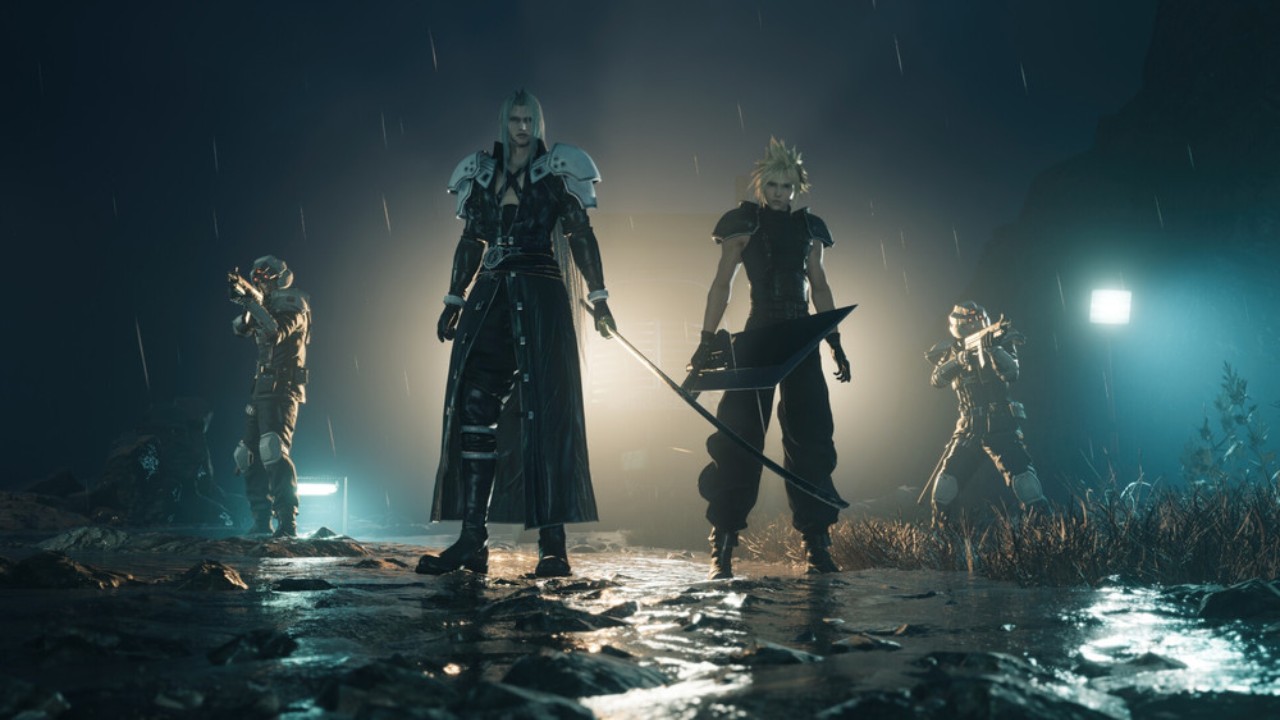
Unlike earlier games, the next one is likely to launch at the same time on PC, underscoring how important the platform is becoming for Japanese publishers. The falling value of the Japanese yen is another important reason for these changes. As the yen depreciates against the dollar and the euro, Japanese businesses can achieve significant profit increases by investing in Western countries.
Because this is how money is made, publishers are being forced to pay greater attention to viewers outside North America and Europe. But many fans are still unsure what that means in real life. Some people are worried that Japanese publishers will try to change their games again to fit Western tastes, which would be the same mistake made with older console generations, when several Japanese titles were outsourced or heavily changed for international markets.
Others think that more support for Western platforms and better localization efforts are more likely to happen than big creative concessions. A lot of corporations are really starting to focus on PC gaming. More and more companies are doing Steam releases, and doing simultaneous debuts, and making hardware like the Steam Deck that can play their games.
This approach has already helped studios such as Nihon Falcom.
The success of Trails in the Sky: First Chapter has demonstrated that localized Japanese RPGs are gaining popularity worldwide. Future games like Tokyo Xanadu are also exciting for players worldwide. Companies that used to think Western launches were less significant are now investing more in improving localization strategies and delivering games faster globally.
It seems that not all significant Japanese studios are ready to adapt to the changing sector. Bandai Namco Entertainment and Sony Interactive Entertainment are still in different categories. Bandai Namco is still turning out a ton of single-player games, like the much-awaited Ace Combat 8. But the corporation is also involved in many partnerships and technology investments, including collaborations with other companies to develop AI tools.
Meanwhile, PlayStation continues to invest heavily in live-service games, despite the genre’s well-documented flaws. The company isn't fully in step with Japan's gaming industry at the moment, as it's still focused on multiplayer projects and AI-assisted development.
But the larger trend is becoming increasingly obvious. Japan’s publishers are moving away from the high-risk world of live-service gambling to long-term value, steady stock sales, and lasting single-player experiences. For players, the changes could mean a much more stable future for the industry, one in which games are made to be useful for years after they come out, instead of being made with short-term revenue cycles in mind.
If things keep going the way they are, Japan's move away from live services could finally affect the global gaming market. Since people in the West spend a lot of money on Japanese games, and producers make more money from traditional releases, other companies around the world may soon follow suit.
Contributor, NoobFeed
Related News
No Data.