
Jurassic Park: Survival Shifts Gears With A Bold Semi-Open World Twist
New information points to a slower, more tense experience where survival is more important than spectacle.
News by Nusrat Choity on Apr 04, 2026
A lot of people were wrong when they thought Jurassic Park: Survival would look like it does now. At first, people thought it would be a short, linear experience with planned chases and common movie moments. The picture is different now. The game is now shaping up as a survival game set in a partially open world on Isla Nublar, where players have much more freedom—but also much less safety—than was first thought.
The most important change is how the island is being handled. The game doesn't just take players to a few famous spots; it lets them explore places that have never been fully explored before. It makes the park feel fuller when maintenance tunnels, staff housing, and guest facilities are added to the playable area.
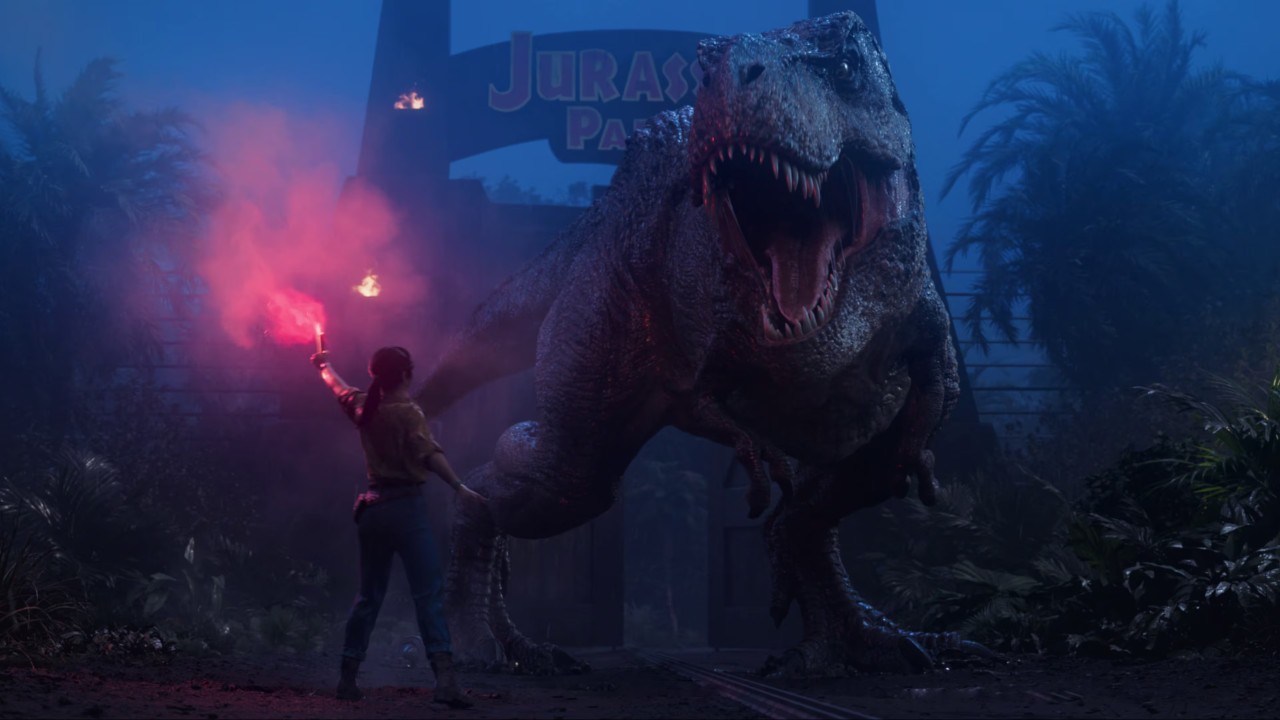
It's not enough to just see well-known landmarks; you can also see how the park might have worked before everything went wrong. This wider layout easily moves the game away from a linear structure, allowing exploration to feel more natural.
How dangerous something seems changes when you have a sense of its size.
Players are not stuck in a single scripted scene. Instead, they are moving through a linked world where threats can appear at any time. The island isn't just a place anymore; it feels like a person. Reports say that players will be able to figure out what happened by visiting different areas. This will make moving around part of the story itself. It's a calmer method, but atmosphere is very important.
Doctor Maya Joshi is the main character of the story. She is a scientist who worked at the park before it closed. In a small but important way, this fact changes the point of view. She doesn't have to figure out the park's secrets with the player; she already knows a lot about how it was built.
Sources say that this lets the story focus less on explaining things and more on how someone who knows how the system works responds when things go wrong. In addition to making the experience more personal, it gives the events a character who isn't totally in the dark to relate to.
It's clear that life, not battle, is the main goal of the game. Dinosaurs shouldn't be fought straight on. Instead, the experience is more about awareness, movement, and stealth. A parkour-style traversal system is one of the more interesting additions. It lets players climb, vault, and move around in environments more easily.
This is especially important when things are tense and getting away from danger depends on quick decisions rather than following a script. That encounters are meant to feel unscripted, which means that players have to think on their feet and not depend on patterns they know will happen. That pressure is made worse by the surroundings themselves. Heavy rain, flooding, and power cuts make it hard to see and move around on the island, which is still not stable.
It's not always enough to stay away from dinosaurs; sometimes the environment is just as dangerous. Even small acts can have results. Someone might notice you if you make too much noise or move too quickly through small areas. This could turn a quiet moment into a sudden chase. Slowly, it builds up stress, and sometimes, silence is just as important as speed.
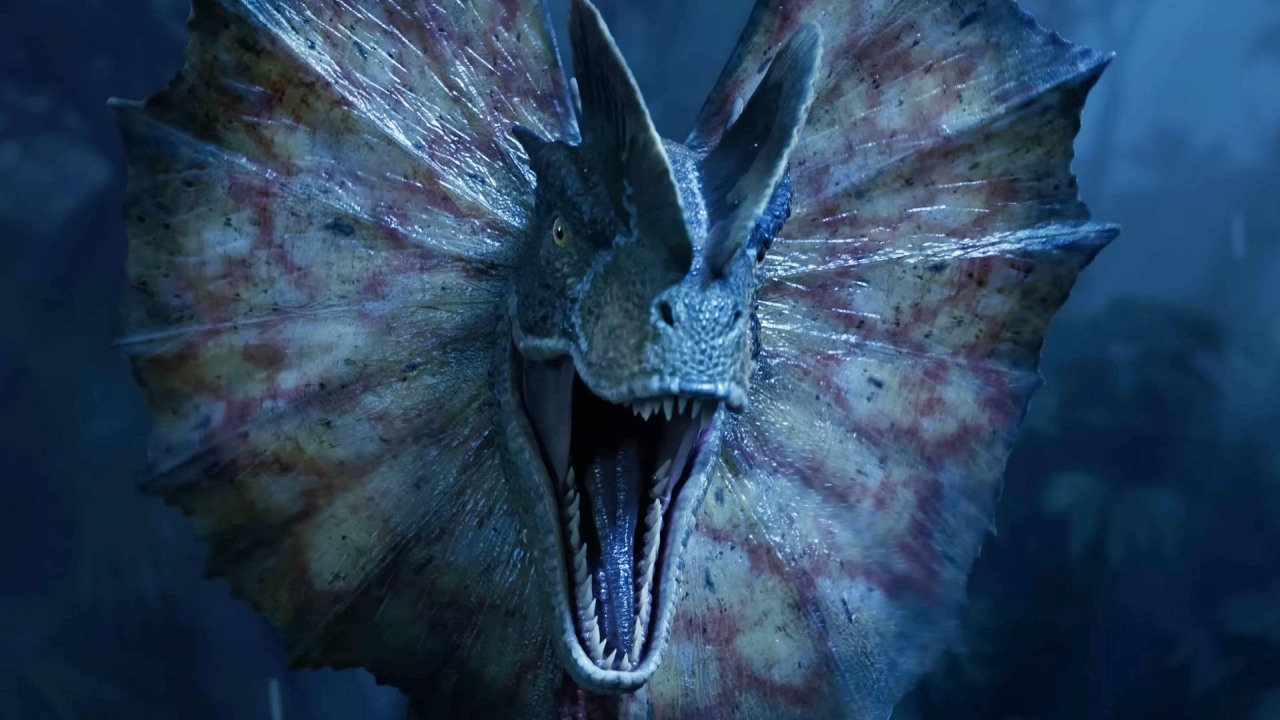
Of course, dinosaurs are still the main threat, but they are dealt with differently here.
They don't always show up in the same order; instead, they act in less expected ways. Sources say that interactions are meant to feel lively, with how players act affecting how things go. This doesn't mean that everything is random, but players won't always know what's going to happen next. That lack of certainty is a big part of what keeps the game scary.
This is what makes Jurassic Park: Survival different from the other movies in the series. A lot of the time, old games gave players control or firepower through management systems or action-packed gaming. This time, the method is not as bold. Players are put in direct danger and can't get out easily because they don't have many tools.
The game hasn't been heavily advertised because it has a slower, more deliberate style that depends on mood and pacing, which are harder to show off in short bursts of advertising. The release date is still not set in stone, but it's getting easier to see where it's going. Jurassic Park: Survival isn't looking for fast thrills or excitement all the time.
The goal is to make it more tense, real, and maybe even a little unexpected. If all the pieces fall into place, it could be a very different kind of brand experience. For such a risky method, there is still one question: will this quieter, more immersive take really capture the fear of being hunted, or will players want something louder?
Contributor, NoobFeed
Related News
No Data.