
NVIDIA May Revive the RTX 3060 as AI-Driven RAM Prices Surge in 2026
Growing AI demand intensifies GPU and memory shortages, prompting consideration of renewed production for previously discontinued graphics hardware.
News by Masaru Hoshino on Jan 08, 2026
The price of new GPUs will go up in 2026 because of AI-driven demand and memory limits. Nvidia may be getting ready to bring back old graphics cards. Some sources indicate that the GeForce RTX 3060, which came out in 2021 and was taken off the market in 2024, would be back in stores in early 2026.
RTX 3060 remains one of the most popular gaming GPUs, and renewed production appears tied to escalating shortages of consumer-grade memory such as GDDR7.
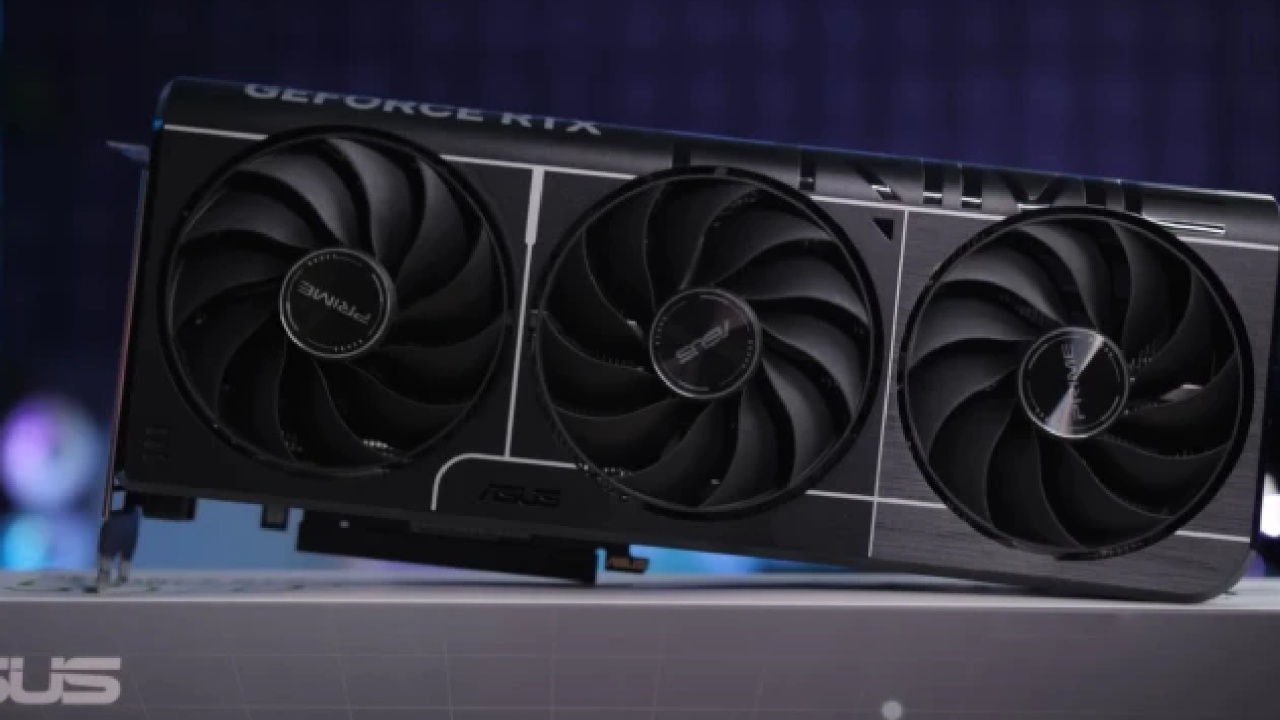
We look at information circulating from industry sources indicating Nvidia might once again open up production lines for the RTX 3060. This GPU, now five or six years old, was widely adopted by gamers and still ranks highly on Steam hardware surveys.
A source known as Hong Jing 2020, who has a notable track record on Nvidia production updates.
Reportedly stated that Nvidia notified partners on January 5 that the RTX 3060 would return.
There is no confirmed detail on whether both the 12GB and 8GB models will be produced, but the GPU is expected to reappear at retail.
RTX 5060 relies on GDDR7, and with DRAM costs rising and supply tightening, Nvidia may need to offer more affordable and readily available alternatives. We see the 60-series as mainstream products meant for mass consumption, so lower-cost older GPUs could fill a critical gap.
For this revival to make sense to gamers, the RTX 3060 would likely need to come in under $200. We point out that this would actually be beneficial to consumers seeking mid-range performance without breaking the bank. A reasonably priced older GPU that can still play modern games well could please many gamers.
We also have personal experience with the 12GB version of the RTX 3060, which worked well on older gaming rigs. A lot of gamers might think that kind of performance is "good enough," especially when developers are working to make their games work on more types of hardware.
Memory shortages are likely to change the PC hardware landscape in 2026. Reports say that there is a "memory pandemic" happening because DRAM prices are going through the roof. This is mostly because AI businesses need a lot of RAM and high-bandwidth memory.
The news says that both PC gamers and console makers would be affected because RAM is an important part of all modern gaming systems. We emphasize that those planning a PC build in 2026 should pay close attention to these trends. With RAM costs rising rapidly, it may soon become more affordable to purchase pre-built systems than to build custom rigs.
We mention that personal access to existing RAM supplies removes this concern for us, but acknowledge that the pricing surge will heavily affect most consumers.
Industry publications describe how AI is reshaping supply chains and driving up demand for memory components. Larger customers in AI-related fields are receiving priority for production, reducing available inventory for consumer markets. According to coverage, hardware costs—including components for upcoming handhelds and gaming machines—could rise significantly unless the AI bubble bursts or stabilizes.
Even if generative AI eventually settles into a tool rather than a trend dominating every sector, its current demand is already affecting availability for traditional PC gamers.
We may also see a broader resurgence of older tech that is "good enough" for many users. Gen Z's interest in retro hardware continues to grow, and the rising prices of systems like the Nintendo 3DS reflect a booming secondary market.
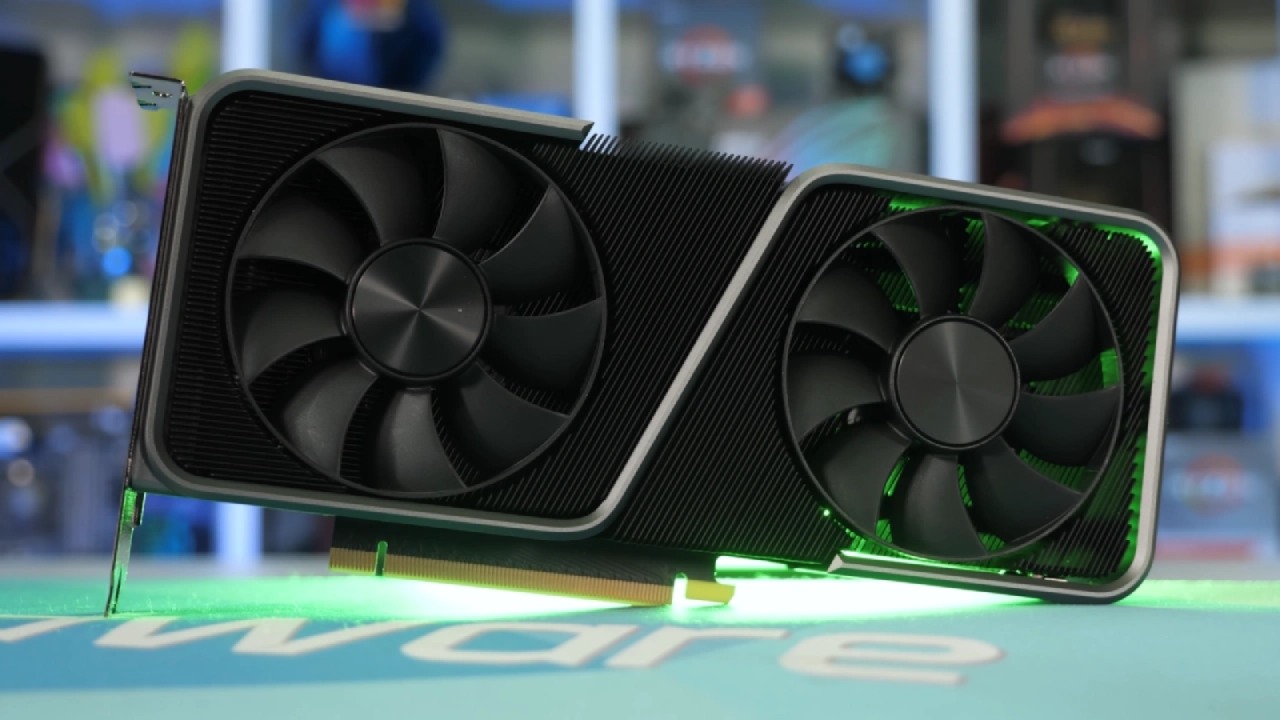
While older CRT displays are unlikely to return at scale—given that only one US manufacturer still produces them for medical and government use—the desire for retro experiences could influence gaming trends in the coming years.
We point out that many classic games from decades past still hold up today due to strong gameplay rather than graphical fidelity. Some players may prefer simpler, more fun games to newer releases that focus on visual effects.
Some experts are starting to think that gaming might be at a "peak tech" point, where more advanced graphics don't add as much value to players.
As prices for parts go up, hardware becomes harder to find. People are starting to like games that are easy to play, and developers might focus on producing games that work well on mid-range computers instead than trying to push the bounds of performance.
We think about the idea that gaming may take a "good enough" approach, where having pleasure and being able to play are more important than having the best graphics. This trend is supported by the popularity of games like Palworld and Helldivers, which don't need very strong hardware to function well but nonetheless became quite popular.
As AI-driven market needs shift, the next chapter of gaming may be defined by older GPUs, retro systems, and practical hardware choices.
Editor, NoobFeed
Related News
No Data.