
NVIDIA RTX 5070 Ti and RTX 5060 Ti Rumors Point to Major Shifts in GPU Memory Allocation
Reports suggest the RTX 5070 Ti and RTX 5060 Ti are being phased out to free memory for AI-focused products.
News by Tanisha Aria on Jan 21, 2026
The latest rumors about GPUs have become much more serious than just a change in the product cycle. We are seeing a growing gap between what NVIDIA's leaders decide and what gamers and fans actually have to deal with. The ways shortages, stops, and shifting goals are discussed don't match what's going on behind the scenes.
To people outside the situation, it appears to be a demand problem. On the inside, though, it looks more like a planned shift of resources away from consumer hardware toward business goods and AI. The difference in how things are framed is what keeps making people angry.
There are people at NVIDIA who are really excited about games and making new hardware. These are engineers, managers, and people who create and build things that they really care about. There's nothing wrong with them. The problem is at the top level, where choices don't seem to be connected to either the teams making the games or the gamers who buy them.
This difference is clear when consumer-focused products are slashed while professional and AI products with higher margins keep growing. It's no longer possible to hide the goals; that fact is becoming impossible to ignore.
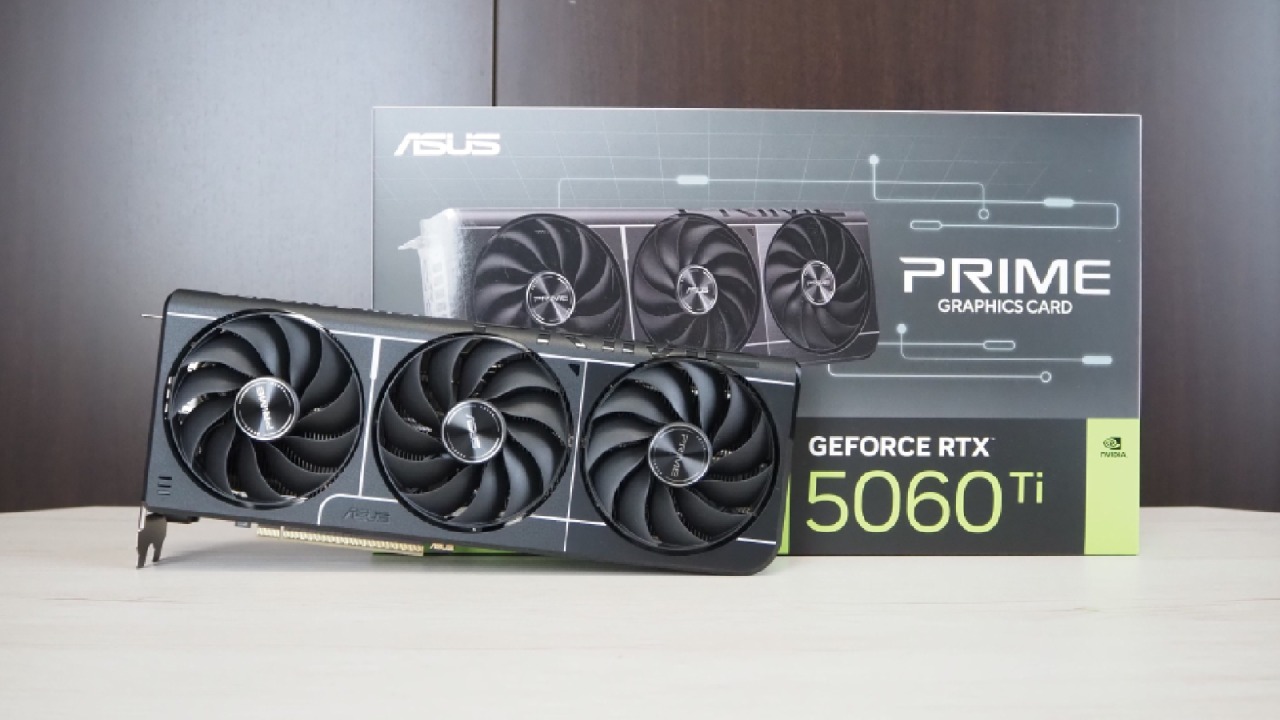
Reports say the RTX 5070 Ti will no longer be produced, and the RTX 5060 Ti will likely follow soon after.
People are saying that NVIDIA can't meet demand because they don't have enough chips. When looked at more closely, that answer doesn't make sense.
The RTX 5070 Ti has 16GB of space. The RTX 5060 Ti comes in two sizes: 16GB and 8GB. The RTX 5070 has 12GB of memory, while the RTX 5060 has 8GB. People who buy these market GPUs are not the ones who really need NVIDIA to meet their needs. It comes from very large AI processors and data center hardware that use a lot of memory.
NVIDIA doesn't seem to be focusing on or slowing down production of the highest-memory halo products. Instead, it seems to be consuming memory resources from midrange-market GPUs. That choice has a big effect on the group of gamers who can actually afford it.
The pattern is easy to see in the larger stack. The RTX 5090 with 32GB is at the top, followed by the RTX 5080 with 16 GB. Below that, several SKUs are all trying to access the same memory pool. When AI and skilled software start using a lot of VRAM, something has to give.
NVIDIA doesn't seem to be lowering the output of ultra-high-end or enterprise-level consumer cards. Instead, they seem to be lowering the output of middle cards. That's exactly what the RTX 5070 Ti and RTX 5060 Ti 16GB are. Their memory can be moved to professional GPUs or other high-end cards that AI writers are more interested in.
If a product really was selling so well that supply could not keep up with demand, it would make sense to make more of it. That's not what's going on. Profitability seems like the more likely reason. A GPU that costs about $750 doesn't make as much money as business AI hardware or even very high-end consumer cards that sell for a lot more than MSRP.
By eliminating these midrange options, NVIDIA successfully drives up prices while freeing up resources for customers who are willing to pay much more. As a result, people buy in a hurry, prices go up, and scalpers start trading like crazy again.
It fits this pattern perfectly that the reported Super and Ti Super cards have quietly been taken off the roadmap. People have had these versions for many generations, and most people expected them to stay that way. It wouldn't make sense to release an RTX 5070 Ti Super if the base RTX 5070 Ti is going away.
It's much more likely that these products were under development but shelved when manufacturing and memory needs changed. There are now fewer interesting choices for gamers and a thinner consumer stack.
This problem is being framed in a way that makes people angry. People are led to believe that the way they buy things is the problem, as if their excitement alone made NVIDIA act. In fact, games are not the problem.
Things got worse during the short time when prices were close to MSRP. When reports of discontinuation surfaced, prices went through the roof again. This was due to fear and greed. This trend isn't good for gamers or the market in the long run.
Without a doubt, AI is valuable to NVIDIA, bringing in significant revenue.
What's still not clear is whether AI can make most of NVIDIA's users' money when used on a large scale. In addition to selling hardware, there isn't much evidence that widespread AI use is generating long-term profits.
In this light, NVIDIA is like a business that sells the tools and the dream while someone else takes on the risk. Once a mainstay, gaming now accounts for less than 10% of total income. The message is clear: gamers built the wall, but NVIDIA now stands taller than them.
It's easy to think of AMD as a more consumer-friendly option, but that's not the case. AMD thinks the same way about making money, with only scale and cash holding it back. Its path is increasingly similar to NVIDIA's as its AI and business goals grow.
The engineers and product teams at AMD are just as excited about their work as the ones at NVIDIA. In that case, too, there is a gap between leaders and customers. Today, the difference is time, not theory.
Things are changing, but there will still be gaming GPUs. Until the AI bubble bursts or settles down, consumer hardware will probably stay hard to find, expensive, and not very important. It might not be unusual for memory problems, fewer SKUs, and higher prices to happen.
We might be entering a time when being able to fix things and making them last a long time are more important than ever. You may soon have to know how to fix and manage hardware if you want to stay competitive in the job market. When repair is no longer possible, creativity steps in to fix the problem.
There's no easy thing to say right now. Things are changing quickly, which is frustrating, and customers don't have much power over it. Speaking out is important, but people shouldn't expect too much from it. Leaders at huge tech companies don't listen to individual opinions or even large-scale community backlash when trillions of dollars are on the line.
The only things we can do are stay informed, avoid buying things out of fear, and be honest about the market we are in. Gaming isn't in danger, but the time of affordable, well-balanced new gear might be coming to an end.
Contributor, NoobFeed
Related News
No Data.