
ONTOS: The Psychological Horror Revolution Will Redefine the Genre
Samsara awaits, and so does a new kind of terror, no loud noises, just the uncomfortable truth of agency, identity, and choice. This is horror in its most unsettling form.
News by Zahra Morshed on Dec 26, 2025
The current horror genre is slowly shedding an old layer. For years, fear was given through loudness, speed, and sudden intrusions, a formula based on instinct instead of thought. People are becoming resistant to the shocks and tricks of that model, so it is losing its power. A new kind of fear is coming into the world. This one doesn't scream to get attention; it quietly waits until discomfort sets in.
As this change happens, ONTOS places itself not as a scary house ride but as a psychological setting. Its base is Samsara, a fancy hotel on the moon that is now breaking down and losing its value. As the moon landing's dust settles, the once pristine hallways fall apart.
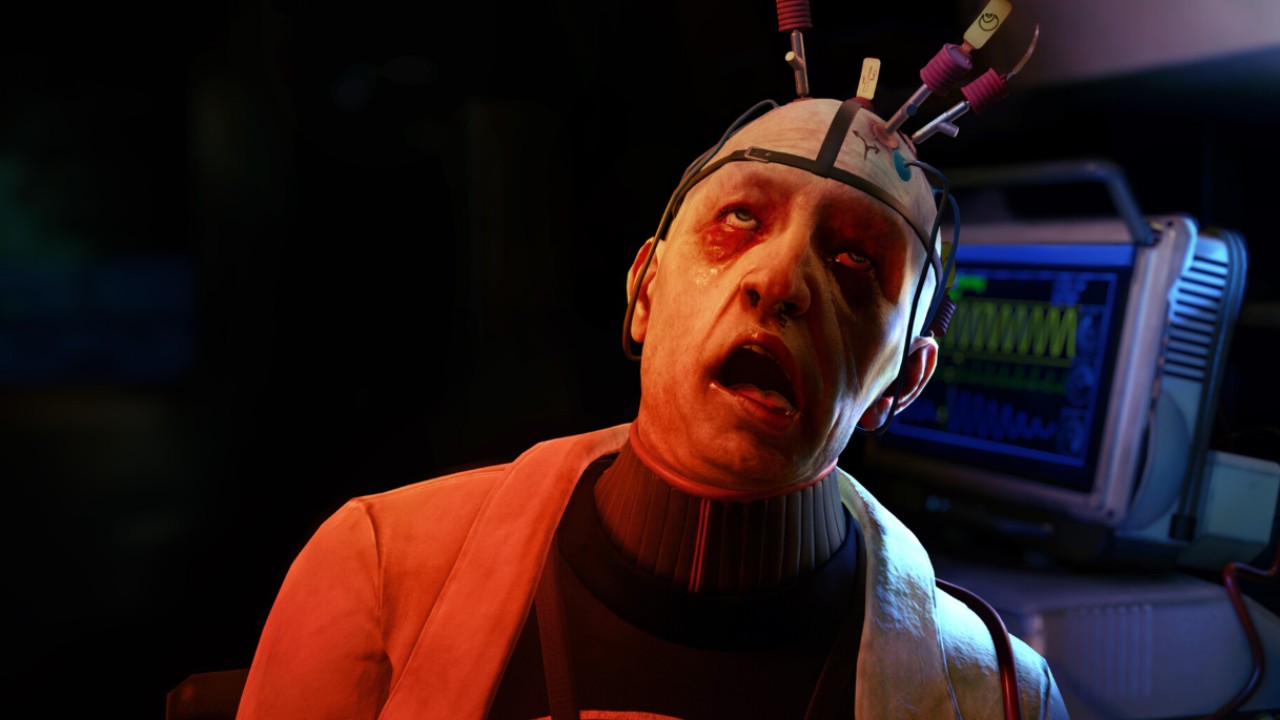
At the same time, the clash of beautiful design with unwelcome machinery and natural growth creates chaos. The setting makes you feel uneasy, not because it is threatening, but because it is contradictory.
In this world, design isn't used to make things look better; it is used to make a point. Each hallway, lobby, and sunken pool feels like it was designed that way, as if the building itself is involved in what happens inside it.
Developers claim full spatial coherence, which means that instead of just seeing a background, you can reach it and change it. That goal comes with risk, but it also suggests a world that should be figured out instead of just lived in.
ONTOS's biggest departure from the norm is in interaction. Progress doesn't depend on button hints or automatic animations that make players feel like they aren't responsible for what happens.
Instead, systems require people to physically interact with them using knobs, levers, wiring, and real-time calibration. When these jobs are under pressure, they become psychological trials because failing is personal and immediate, not abstract.
This theory of touch completely rethinks tension. Fixing a machine is now the scare itself, not just a break between scares. Fear based on duty rather than shock is felt when circuits are lined up and movement is heard happening nearby.
It turns problem-solving into weakness and vulnerability into long-term fear.
There is no fighting, which is a choice that gives the word "agency" a different meaning. ONTOS doesn't make the main figure a weapon; instead, they make them an expert who works with systems that are older, stranger, and more powerful.
For life, understanding, scavenging, and adapting are more important than having control. The lack of violence makes people more anxious because getting away depends on the mind and not the body.
Narrative weight is carried by exploration instead of exposition. Instead of seeing moral problems as clear-cut choices between good and evil, they should be seen as actions that must be taken in systems that are not stable.
\One well-known example features a living being that is kept alive by biological means and makes choices that change the story forever. It's meant for these times to last, not because they are shocking, but because there isn't a clear ending.
It's important to note that these choices aren't just for show. Outcomes branch in a meaningful way, changing settings, relationships, and ends instead of just giving them minor differences. Consequences, not trinkets, make a game worth playing again. The design doesn't tell the viewers that everything will be okay, which shows that it trusts them to think for themselves.
The foresight method is an especially creepy mechanic. Predictive logs give clues about what might happen in the future, but they are not meant to be accurate. This brings doubt as a core feature, making players question the results and the tools that are supposed to help them. Trust changes, and there is no longer any way to be sure.
Faction dynamics make the existential conflict worse. Scientific absolutists are in conflict with belief-based cults, with each group claiming to be right about truth and purpose. The protagonist is caught between these ways of thinking, which makes them start to doubt their own identity and freedom.
Is agency real, or is it just an illusion in systems that don't actually allow people to make choices but instead watch them do it?
In terms of structure, the experience follows a familiar path, but how it is done determines how it affects people. When things arrive, they descend, clarity turns into confusion, and discoveries make things more complicated instead of solving them
Later sequences supposedly look at loops, duplication, and reality fractures that mix up story and mechanics. If done correctly, these things could change the genre of psychological horror forever.
Technology plays a very important role even when people can't see it. The new engine behind ONTOS is supposed to provide physics-heavy encounters without breaking the feeling of being in the world. Changing the environment, working with fluids, and fixing problems as they happen all need stability and accuracy.
If there is any inconsistency, the image that the game builds so carefully will fall apart.
Length is another design choice that was made on purpose. ONTOS doesn't try to get as big as possible just because it wants to. Instead, it chooses to offer a focused experience that lasts between ten and fifteen hours.
This restraint shows that you are sure of yourself and would rather have deep meaning than a lot of information. In a market full of extras, accuracy makes a statement.
The places where this idea is found make it stronger. Since casinos are like labs, games of chance can be used to illustrate moral risk. Theaters present dialogue as a show, posing the question of whether identity is selected or given.
Every place talks about more than just what it's for; it also talks about the theme.
There are risks, especially when it comes to making structures. If you don't pay attention to the right things, putting too much focus on gathering resources could slow down the story. But if upgrades come at the cost of ethics instead of giving you more numbers, growth turns into storytelling. The difference between work and growth is what you want to do.
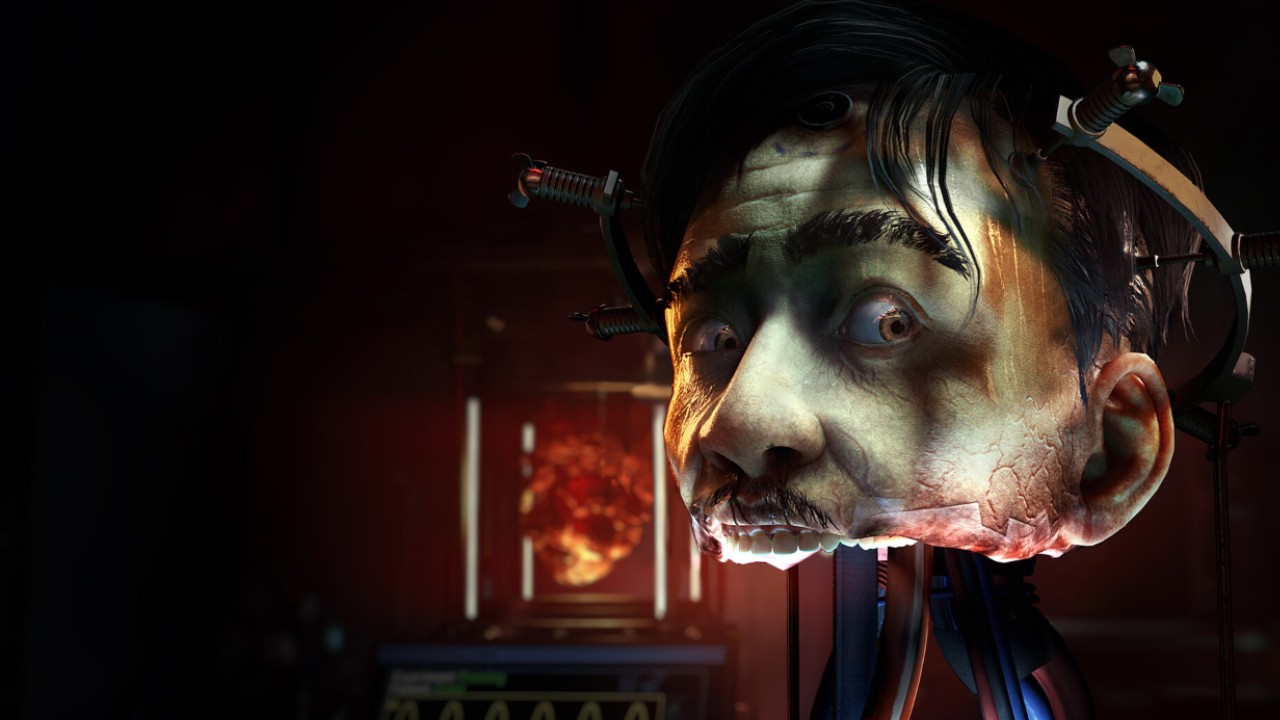
In the end, ONTOS doesn't want to be at ease. It tries to make people uncomfortable by asking questions that can't be ignored once they are thought about. Fear isn't a feeling in this case, it's the realization that certain choices will make lasting changes to the world and to oneself. That is the lasting horror.
As 2026 approaches, ONTOS is a calm challenge to a company that loves drama. It means that the future of horror isn't about quicker edits or louder noises; it's about slower uncertainty and greater impact. Samsara doesn't wait to scare the world; it waits to face. That encounter, however, might be much more disturbing than any jump scare.
Contributor, NoobFeed
Related News
No Data.