
PlayStation 6 Handheld Sparks Fears as PC Hardware Holds Back Next-Gen Games
Rumors of a PS6 mobile raise developer concerns, but it's mid-range PC hardware, not consoles that may truly limit the future of next-generation games.
News by Zahra Morshed on Sep 25, 2025
A lot of the recent talk about Sony's rumored PlayStation 6 handheld has been about worries that it might cause devs to run into the same problems they did with Microsoft's Xbox Series S. Some people say that the next generation of consoles might never reach their full potential if companies have to support hardware that isn't as powerful.
The comparison makes sense at first glance. Microsoft's rule was that any game made for the Series X had to work just as well on the Series S. Developers were annoyed by this limitation, and they often called the smaller system a "beefed-up Xbox One" with memory limits that made it hard to reach their design goals. There were very few exceptions, with only a few games, like Baldur's Gate 3, being allowed to break the rule.
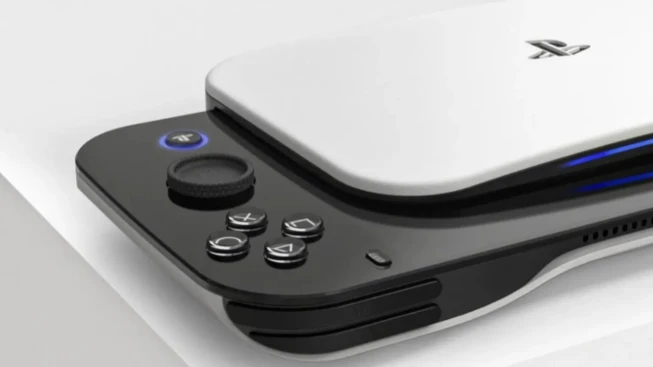
Sony's strategy, on the other hand, seems to be different. Reports say that the PS6 mobile, if it ever comes out, will not have such a strict requirement. That difference could be very important because it lets developers make the best use of the most powerful gear without being limited by a weaker base. The PS6 rumors are making fans go wild.
But if not consoles, what is really stopping the growth of games these days? More and more, the answer lies in PC hardware—not the cutting-edge systems that make the news, but the standard systems that make the experience of the average player.
Valve puts out the Steam Hardware Survey every few months. It's a list of the most popular PC parts that PC gamers have in their homes. The outcomes tell us a lot. Right now, the RTX 4060 and 4060 Ti from Nvidia's 40-series are the most popular graphics engines.
These cards are advertised as low-cost starting points, but they don't perform very well. At 1080p resolution and medium settings, they're about the same, and frame rates are close to 60 fps.
The PlayStation 5, on the other hand, does better in real-life game situations. When coders start working on PCs, though, the hardware that most people have is often used as a standard, not the hardware that they want to have. As long as the RTX 4060 is the most popular GPU on Steam, it will be the top of what can be optimized. Even if the graphics goals are big on paper, most of the time and money spent on development goes into making sure the game works on the most basic hardware.
This leads to a paradox. Custom PCs that cost $4,000 and have very powerful GPUs can easily beat consoles, but they only make up a small part of the market. Studios can't build for that area as long as most people are still using mid-range cards. Because of this, developers will still be tied to the lowest common denominator of the PC environment, even if a future PlayStation has features that are much better than what we have now.
The consequences are important. It is said that DICE has tweaked Battlefield 6 to work with less powerful PCs. This choice will ensure smooth performance on computers but may limit the full potential of next-generation graphics and physics. No, developers want to come up with new ideas. The question is whether the business model of the industry lets them leave millions of players on machines that aren't as strong behind.
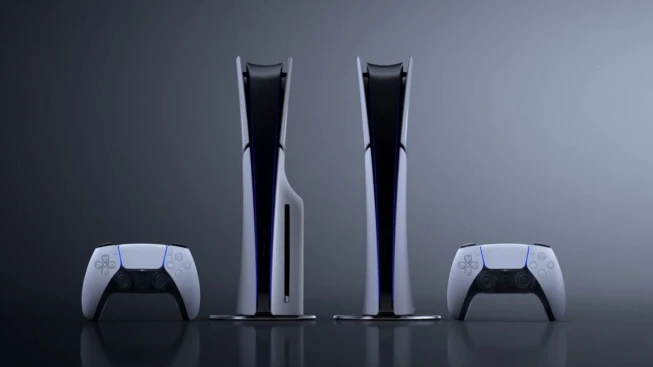
This change also changes the way people argue about consoles vs. PCs. Consoles, which are fixed boxes that set a performance floor for the industry, were seen as the limiting factor for a long time. Today it's the other way around. Now, consoles like the PS5 and even the Xbox Series X are faster than the normal gaming PC on the market. This is different from the past, when PC adoption curves guided design decisions.
The change brings up an unpleasant truth: progress will only speed up if the PC market as a whole goes forward. Still, upgrades are pricey, and many players don't want to buy new parts when games still work with older gear. Even the most advanced consoles will have a hard time showing off their real strengths until that cycle changes.
People may keep talking about the PS6 mobile, but the real problem is somewhere else. Games can now be played on consoles. Instead, it's the stubbornness of the PC market, which is held together by cheap GPUs, that quietly limits how far next-generation games can go.
Contributor, NoobFeed
Related News
No Data.