
PlayStation’s Dynamic Pricing Experiment Sparks Debate Among Fans
A controversial pricing system quietly tested for months is now reaching U.S. players, raising questions about fairness, transparency, and the growing power of digital storefronts.
News by Wasbir Sadat on Mar 10, 2026
After news spread that PlayStation has been testing a dynamic pricing system on its digital storefront, the game industry is once again being questioned about how it sets prices. The idea is said to have been tested since the end of last year.
Dynamic pricing changes costs based on many factors and is used by many businesses, including airlines, ride-sharing services, and stores. These can be things like how users act, what they buy, their buying history, or other information that the site gathers.
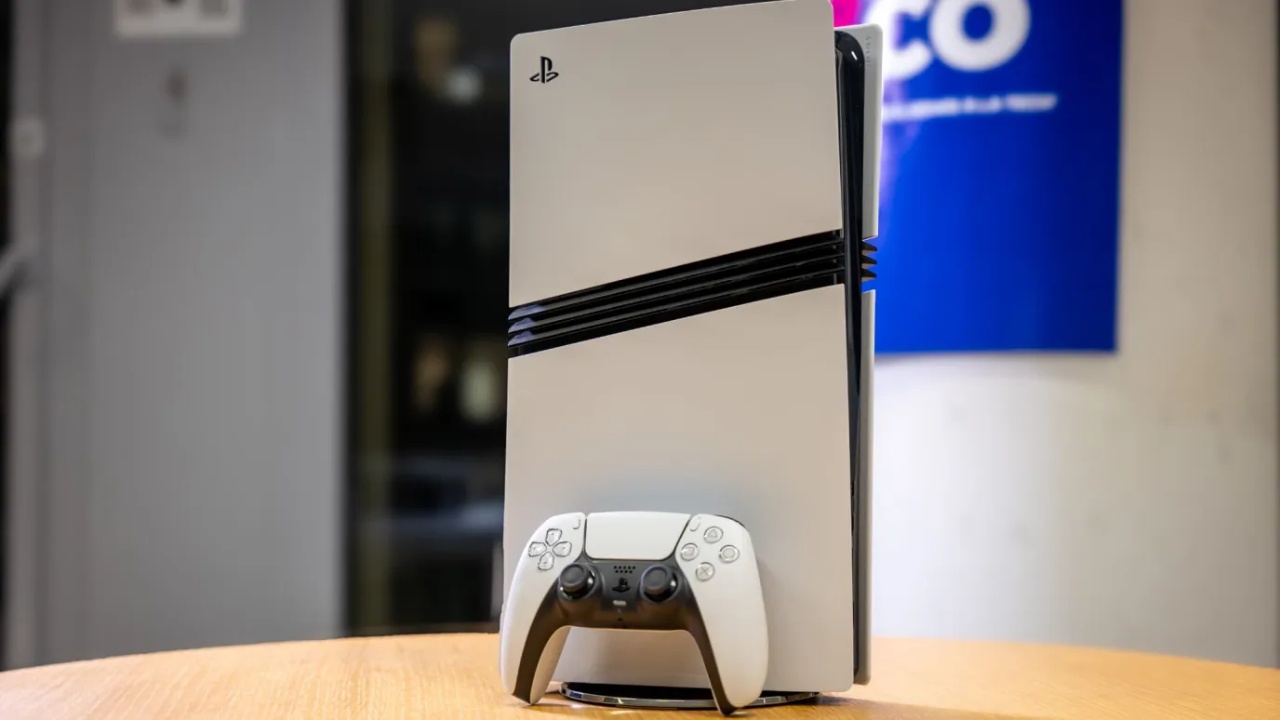
In PlayStation's digital store, it looks like the system gives different people different deals on games at different times.
The average price drop through the system seems to be between 12% and 15%, according to early analyses of the project. That might look like good news for customers at first. After all, players who want to add more games to their collections without spending a lot of money usually like it when prices go down.
But some people say that the saves aren't really worth it because the prices aren't always the same between players. In normal sales, everyone gets the same deal at the same time. But with dynamic pricing, two players standing next to each other might see very different prices for the same game. Players in online gaming groups are worried that the system could make digital markets less fair, and the worry has quickly spread there. Even though the thought of cheaper games is appealing, a lot of gamers are worried that companies might change prices based on how each player acts.
Digital stores have traditionally counted on big seasonal sales to bring in customers. During major sales, like summer sales, holiday deals, or events for an anniversary, all users get the same price cuts. This method makes sure that everything is clear and keeps everyone feeling like the game is fair. That model is thrown off by dynamic prices. Instead of a discount for everyone, user data may be used by computers to set prices for each person. The system could, for instance, look at what types of games a player likes, how often they buy games, or even which titles they have already seen.
On paper, this might make it easier for the company to make offers that fit people better.
If a person often buys action games, the system may lower the price of a similar game to get them to buy it again. Instead, someone who doesn't buy many games could get a discount on a big-name game to try to get them back into the environment. But the fact that this kind of targeting is happening worries people. It might seem unfair if one person gets a 30% discount on a game and another only gets a 10% discount, even if the difference is based on algorithmic predictions.
Another part of the discussion is how digital storefronts are becoming more and more popular. As more and more games move away from discs and cartridges, companies have more power over price, availability, and distribution. When you shop in a real store, prices often go down because of competition between stores. Stores may drop their prices to get rid of old stock, compete with other sellers, or get more people to come in. Those forces are good for consumers, of course.
But digital stores work in a different way. Companies don't have to lower prices as much because they don't have to move real inventory. If a game is only available as a downloadable file, there is no limit to how many can be sold. Because of this, the person who owns the platform rules the whole market. Companies might be able to change prices for any person at any time if they added dynamic pricing algorithms.
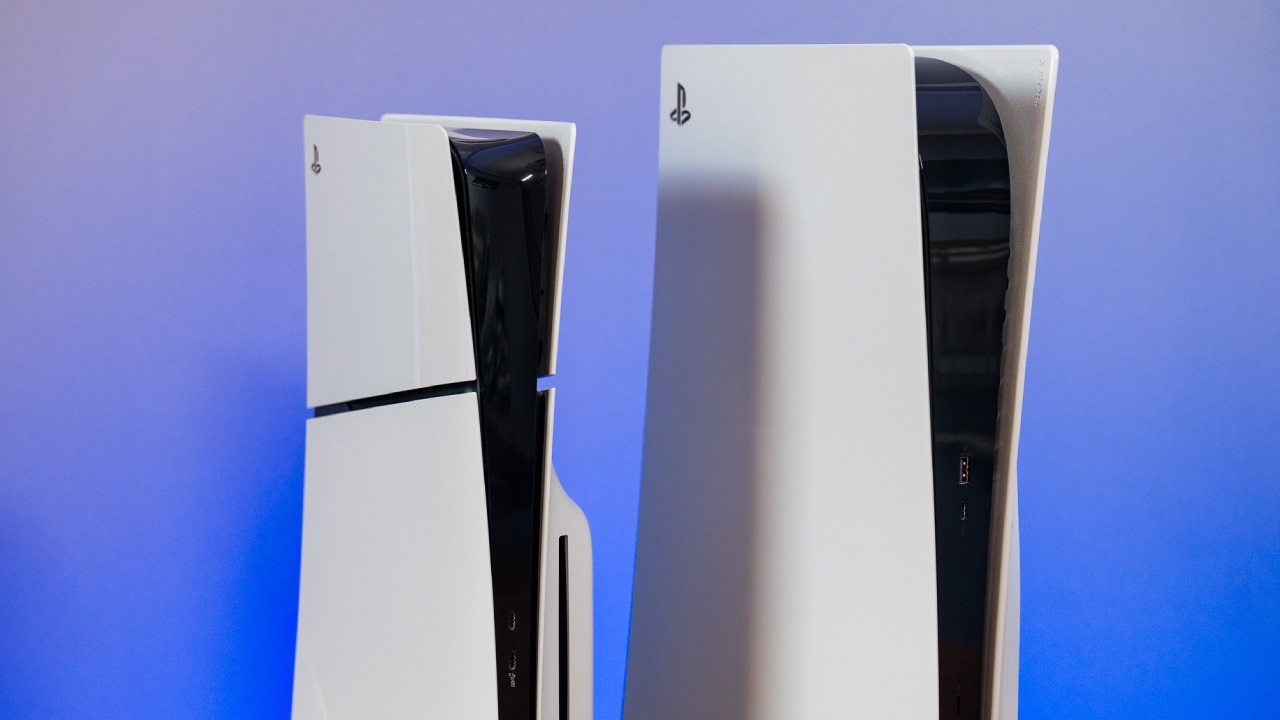
People who are against this amount of control say that it could make consumers less powerful. If businesses can change prices for each customer, it's much harder for customers to tell if they are really getting a good deal. Some players have said that they have seen different prices for the same game on different accounts, which is adding to the debate. Users have said that they got a game for a few dollars less than friends who bought the same game around the same time.
So, one player might see a game that costs $7, and another might see the same game that costs $10.
The difference might not seem like a big deal by itself, but it shows how unpredictable prices that are based on algorithms can be. Some people have also said that prices change sometimes after users log in to their accounts. While browsing the store discreetly, some players say they see a discounted price. However, once they sign in, the price goes back to its full cost.
It's not clear if these problems are caused by bugs, differences in pricing based on location, or the dynamic pricing system itself, but the stories have made customers even more suspicious. Nobody has been very clear about how the system works, which has made things even more confusing. In some places, companies can use dynamic prices as long as they make it clear that they are doing so. For instance, in the UK, some laws allow businesses to use variable pricing tactics as long as they let customers know ahead of time.
This means that companies can legally change prices based on information about their customers, demand, or other factors, as long as they are honest about it. But openness might not be enough to solve the bigger problems that gamers have brought up. Lots of players still don't believe the system is fair, even though they know that prices change all the time.
People worry that algorithm-driven prices could one day put making as much money as possible ahead of giving players real value. It's interesting that the debate may have a side effect that no one expected: it may bring back interest in physical copies of games. The prices of physical media are still more stable than the prices of digital media. At a shop that sells games, most of the time, every customer pays the same price. You can see and plan for discounts, which are often set by how much competition there is between stores. Because physical games have to be made and shipped, shops also have a reason to lower prices to get rid of their stock.
Customers may be able to find better deals in traditional stores because of this push.
There are gamers who say that this competition helps digital stores be honest. Prices for digital copies often drop at the same time as prices for paper copies, so that they can stay competitive. PS4's dynamic price system seems to only be in a testing phase right now. Not only has the company not said if the feature will be permanent, but it has also not given a full description of how the algorithm works.

It's possible that the whole project could be thrown out if the criticism keeps getting worse. Companies often try new systems on a small scale first to see if they work well enough to be used all over the world. But the idea of dynamic pricing probably won't go away completely from the game industry. It will likely stay tempting to change prices for each customer as online stores collect more information about their customers and improve their systems.
There's always something appealing about games that are on sale, but a lot of players think that truth and honesty are just as important. If the industry wants to keep people's trust, it might have to show that a personalized price is good for everyone, not just the businesses.
Contributor, NoobFeed
Related News
No Data.