
Return of $60 Games: How Mid-Budget Hits are Forcing AAA Studios to Rethink Prices
The gaming industry is learning that fair prices, not flashy ads, win the war. From Mafia: The Old Country to Stellar Blade, this is what they are learning.
News by Nusrat Choity on Nov 11, 2025
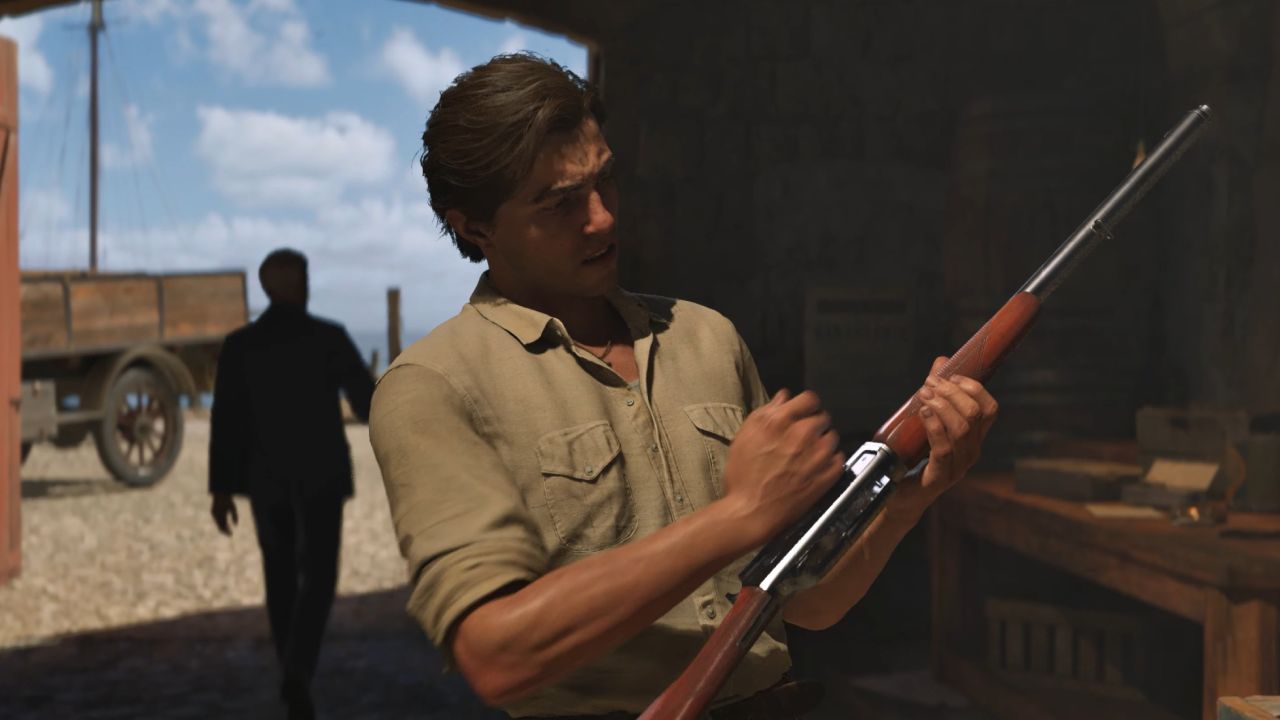
A $50 game just beat the $70 giants at their own game, which is something that doesn't happen very often in gaming. Mafia: The Old Country has done what few people thought it would: it sold more than expected and reminded the industry that being affordable can be the best way to get ahead.
According to the sources, the newest Mafia game sold almost 800,000 copies in just a few days, and almost half of those sales came from PlayStation. It didn't need microtransactions, deluxe editions, or digital "horse armor". It was just a simple, story-driven game that cost a fair amount of money. What happened? A hit that has publishers everywhere taking a close look at their high prices.
This success isn't just a one-time thing. This is part of a growing trend in which smaller, lower-budget games are outperforming big-budget blockbusters. Blacksmith, Wukong, Pacific Drive, Tales of Kenzer, and Stellar Blade are all examples of games that have shown you don't need a $200 million budget or an $80 deluxe edition to get players to play.
Instead, fair prices and designs that are focused are becoming the new gold standard. Strauss Zelnick from 2K even stated in public that Mafia: The Old Country demonstrated how a "contained experience at a fair price" can still generate revenue and goodwill. It's easy to see why players will spend more money if the risk is lowered. Gamers are clearly ready to reward developers who value their time and money, after years of being frustrated by $70 games that often came out with bugs.
The $80 experiment that some studios were interested in has started to go wrong, on the other hand.
When Outer Worlds 2 attempted to charge $80, people became angry, and it was quickly reduced to $70. Even then, players thought it wasn't worth the money. Hollow Knight: Silksong, on the other hand, was released for only $20 and almost broke Steam's records with demand.
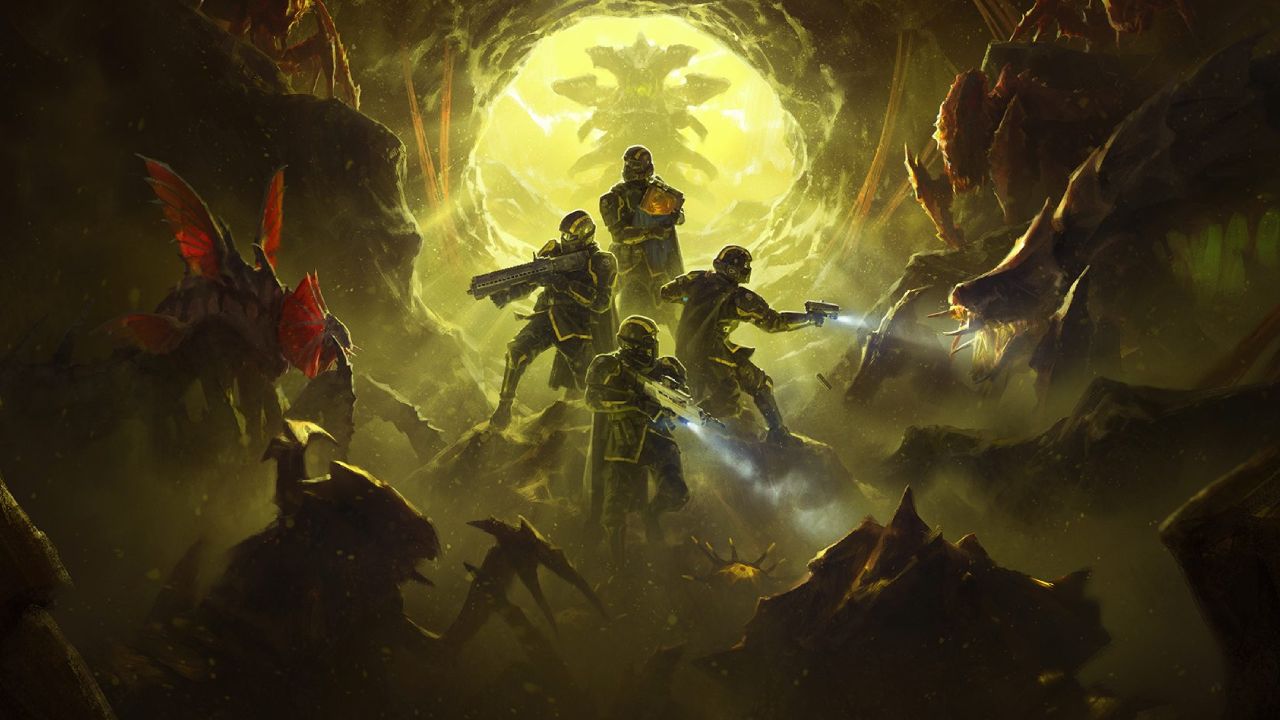
The pattern is clear: players will support good value, even if it comes in a small package. Games like Helldivers 2, Ark: Survival Evolved, Clair Obscure, and Dispatch, which all cost less than $70, demonstrate that you can have both quality and low prices. It's amusing that some of these more affordable games feel more polished than some of the AAA games that cost almost twice as much.
So why does it make sense to go back to $60 now? To start, the digital revolution has made it much cheaper to make things. Now, almost 90% of game sales are digital, so studios don't have to spend millions on making physical copies or sending discs. Prices going up is no longer a good reason.
If a game costs $70 and sells 3 million copies, it makes $210 million. Still, a $60 game that sells twice as many copies - say, 12 million - easily earns $ 720 million. It's just basic economics. Cut the price, reach more people, and watch your profits soar. Additionally, approximately one-third of those buyers ultimately spend more on premium editions or cosmetic DLCs anyway. So, even if the base price is lower, the total revenue can skyrocket.
The change is starting to show up in publishers. After a few hard years of charging too much and not delivering enough, studios are quietly moving back to the middle of the road.
For instance, Ubisoft is said to be rethinking its pricing strategy, while other developers are choosing tighter, less expensive experiences. Players are seeking value and substance over spectacle due to inflation, market fatigue, and the high number of unfinished AAA launches. As people get tired of live services, they are turning away from endless ways to make money.
The $50–$60 range could be the future, not because it's nostalgic, but because it works. Many people are sick of starts that don't work, microtransaction traps, and "premium" prices. The simple mid-tier game has now become the hero. Story-driven games with fair prices and a lot of heart still sell, maybe even more than they used to. Games like Old Country are a good example of this.
So, here's the big question: will the $70 era finally come to an end if players continue to reward good craftsmanship and smart pricing?
Contributor, NoobFeed
Related News
No Data.