
Steam Machine Price Leak Shocks Fans: Valve isn't Playing the Console Game Anymore
With no subsidies and a PC-style price tag, Valve's ‘console' might redefine the hardware battlefield.
News by Azfar Rayan on Dec 01, 2025
People are talking more about Valve's upcoming Steam Machine as rumors about how a PC that works like a console might change the current hardware scene grow. A lot of people were looking forward to the release of the device because it promised a small size, easy setup, and a SteamOS environment that blurs the line between standard PCs and living room consoles.
The big question about the system, though, is still unanswered: how much it costs. The lack of clarity caused quite tension in the business for weeks. Now, new words from Valve point in a new direction that is already changing what people think will happen. There were early rumors about how much the gadget would cost at a recent preview event.
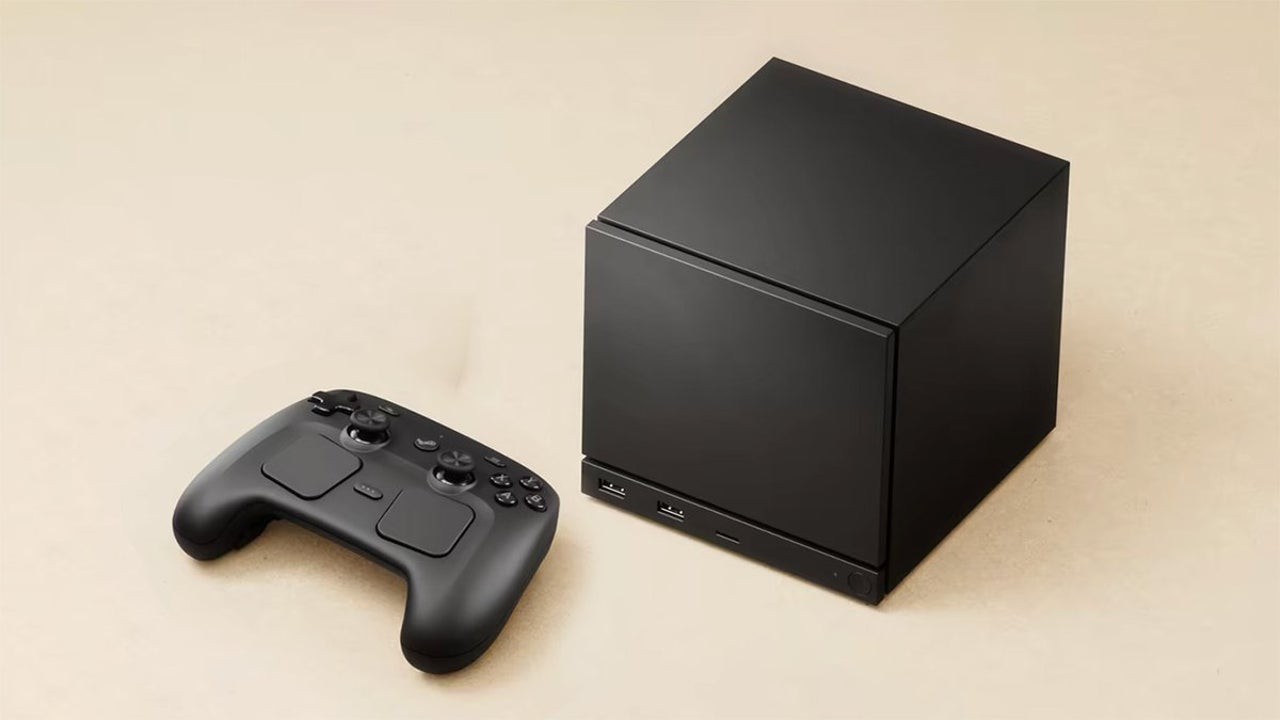
People who were there said there was a moment when questions about affordability were met with silence, and the mood allegedly changed. That doubt stayed until Pierre-Loup Griffais from Valve talked about it directly in an interview with SkillUp. Many people already thought this, but his answer proved it: the Steam Machine won't have subsidized prices like most consoles do. Its price will be more in line with what PCs cost now, based on the value of the parts rather than loss-leader pricing.
Griffais said the goal is to make it cost the same as what a person would spend on parts to build a similar PC. Based on this standard, the Steam Machine is likely to cost between $650 and $700, though this depends on how it is configured and how the market changes. Because of changes in the supply chain, the economy as a whole, and the volatility of individual components, it is hard to give accurate numbers, but the general direction is clear.
This device is meant to be priced around the middle of a normal PC, rather than trying to compete with consoles' artificially low prices.
When you think about what the product is, you can see why this method makes sense. The Steam Machine is still a PC at its core. It has a simple console-style design, runs SteamOS, and lets users into a managed interface. But Valve has made it clear that the system will stay open. In ways that consoles usually don't allow users, users can run other operating systems, access external software, and change how the hardware works. Because of this, there is no longer a main reason to subsidize hardware: a locked ecosystem that finally makes up for losses through software sales.
Giving money to a device that can be fully turned into a general-purpose PC opens up a dangerous gap. Large businesses could buy a lot of the hardware, wipe the system, load different operating systems, and then use them as cheap enterprise computers. In that case, Valve would not be involved at all, and Steam would not make any money. This would completely destroy the business model. To keep that from happening, the gadget needs to be priced fairly, without a discount system that could be used on a large scale.
The Steam Machine is in a special group because of where it is placed. It has the ease of use of a console and the flexibility of a PC, but it doesn't have the high prices that console makers used to get a lot of people to buy them. This makes a product that is perfect for a certain group of people, like gamers who want ease of use without giving up flexibility, fans who want small builds, and people who like PC ecosystems but don't like how complicated standard setups are. The device is perfectly suited to this niche, but it is still different from mainstream game systems.
This strategic split might be good for consoles that are already popular. For example, PlayStation continues to use economies of scale to make hardware that is priced reasonably. When the market is unstable, Sony has an edge because it can change its production lines and find more suppliers for its parts. That strength is even more useful in a market where prices are important. The expected price range for the Steam Machine shows a big difference between how simple high-end consoles are and how flexible PCs can be.
This difference has a direct effect on where current and future PlayStation systems will be placed.
In a world where hardware prices go up without warning, a platform that can keep prices stable gets traction. It's possible because of economies of scale. The prices of parts change all the time, but because console makers make so many, they can negotiate better deals that would be hard for most PC makers to beat. One of the best things about the traditional console model is still its structural benefit.
In this competitive field, the Steam Machine doesn't come in as a straight rival, but as an alternative for people who want the best of both worlds. Its promise lies in combining the PC's large library with the ease of use of plug-and-play hardware. It provides a carefully chosen space while still allowing for personalization. It's clear why this is appealing to players who like freedom and fine-tuning their performance. The standard console is still the best choice for people who want to keep things simple and low-cost.
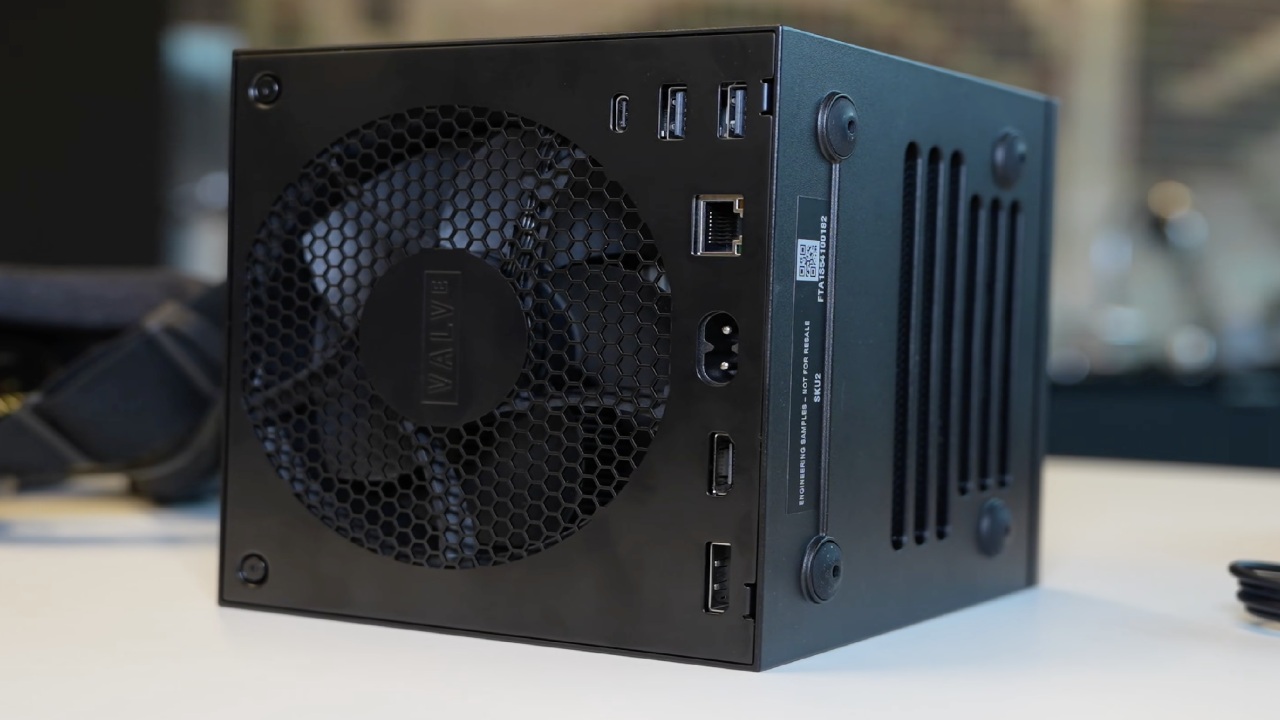
Part of what makes the Steam Machine interesting is that no one knows how much it will cost in the end. Valve's admission of outside market forces suggests that the long-term cost may be affected by things they can't change right now. Problems with global supplies, lack of parts, and changes in the competition all play a part. Early price estimates are hard to make in this situation, and the final number may show where the hardware market is going in the coming years.
What's clear is that the device wants to do something. Valve is making a small form factor machine that is meant to be easy to use.
Someone can link, boot, and play without having to do any work on the machine, but it doesn't stop people who want to make changes. As an extra choice rather than a replacement for current platforms, it is being marketed as such. That way of thinking about design shows that the people behind Steam are sure that it can do well alongside PlayStation, Xbox, and Nintendo without taking away from their customers.
It's possible that the most interesting thing about the device won't be its specs or operating system, but its place in an industry that is changing. There are more kinds of hardware coming out. The way businesses work is changing. There are more ways to play than ever before. And the Steam Machine is a reaction to that world, one that was shaped by necessity rather than violent change.
For now, expectation grows slowly. The question of price is still open, but it's easier to see where things are going. Developers, experts, and players are all keeping a close eye on Valve as it tries to figure out how to make a PC-like console work in a market that is known for being unstable and full of options. When the company finally shows off the number on its new gear, how people react will likely shape the early stories about its future.
The Steam Machine is currently in a state of curiosity, somewhere between potential and expectation, until that time.
Senior Editor, NoobFeed
Related News
No Data.