
How the Success of Subnautica 2 is Costing Krafton Millions
A complex legal battle ends with reinstated developers and a contract structure that turns a major commercial success into a severe corporate penalty.
News by Elme Dhee on May 23, 2026
While many gamers are playing Subnautica 2 right now, Krafton CEO Chang Han Kim is having dire financial consequences from the launch. For every dollar the game makes, it owes $3.12 to the studio executives they recently attempted to fire. This performance bonus structure caps out at $250 million. This payout liability is the reason management terminated Unknown Worlds' leadership and delayed the game last July.
The company's internal financial models indicated they would owe $191 million under a standard release schedule, a financial obligation executive leadership sought to avoid. Management attempted to delay the release to run out the clock on the five-year agreement, actively seeking corporate strategies to void the signed contract.
.jpg)
The strategy failed in court, where the judge ruled entirely in favor of the studio founders. The court ordered Unknown Worlds’ CEO Ted Gill back into his position, extended the bonus deadline to September 15th to accommodate the forced delay, and gave him total control of the Steam distribution page and launch plan.
Management looked for internal corporate maneuvers to void the signed contract.
The resulting early access launch achieved massive commercial volume. Subnautica 2 sold one million copies within its first hour of availability. Twelve hours later, sales reached 2 million copies, with a concurrent player count of 651,000 across all platforms. This performance established it as one of the largest early access launches in Steam history, aligning with the 5 million wishlists the title had accumulated by May 11.
The legal fight was highly publicized, but the drama surrounding the product garnered much consumer attention, leading to initial engagement. While Steam user reviews stabilized slightly below the initial 94% approval rating due to standard early-access technical bugs, public reception confirmed that the game delivered the core content players expected. Controversy did, however, arise over the End User License Agreement.
Krafton’s legal team inserted standard boilerplate language that raised consumer concerns over data privacy, streaming rights, and software ownership. Some in the community suspected the highly restrictive document was poorly compiled, though analysis shows it was standard, high-density corporate legal text.
A major factor for consumers is that the most restrictive provisions of the agreement, such as international arbitration clauses, remain legally unenforceable outside the United States. Unknown Worlds clarified enforcement parameters via Discord, though the underlying contract structure confirms the company retains corporate ownership of Unknown Worlds as the primary publisher.
The court-ordered co-publishing model also removed Krafton’s direct operational control.
The unique legal decision, however, dramatically altered the publishing equation despite the ownership. One month before launch, Unknown Worlds replaced the parent company as the primary listed publisher on Steam, giving Gill full administrative control over platform distribution and effectively pushing Krafton out of day-to-day operations.
The financials of this model create serious liabilities for the parent company. The court has confirmed that if Subnautica 2 generates more than $69.8 million in gross revenue, Krafton will pay the studio management $3.12 for every dollar above the line.
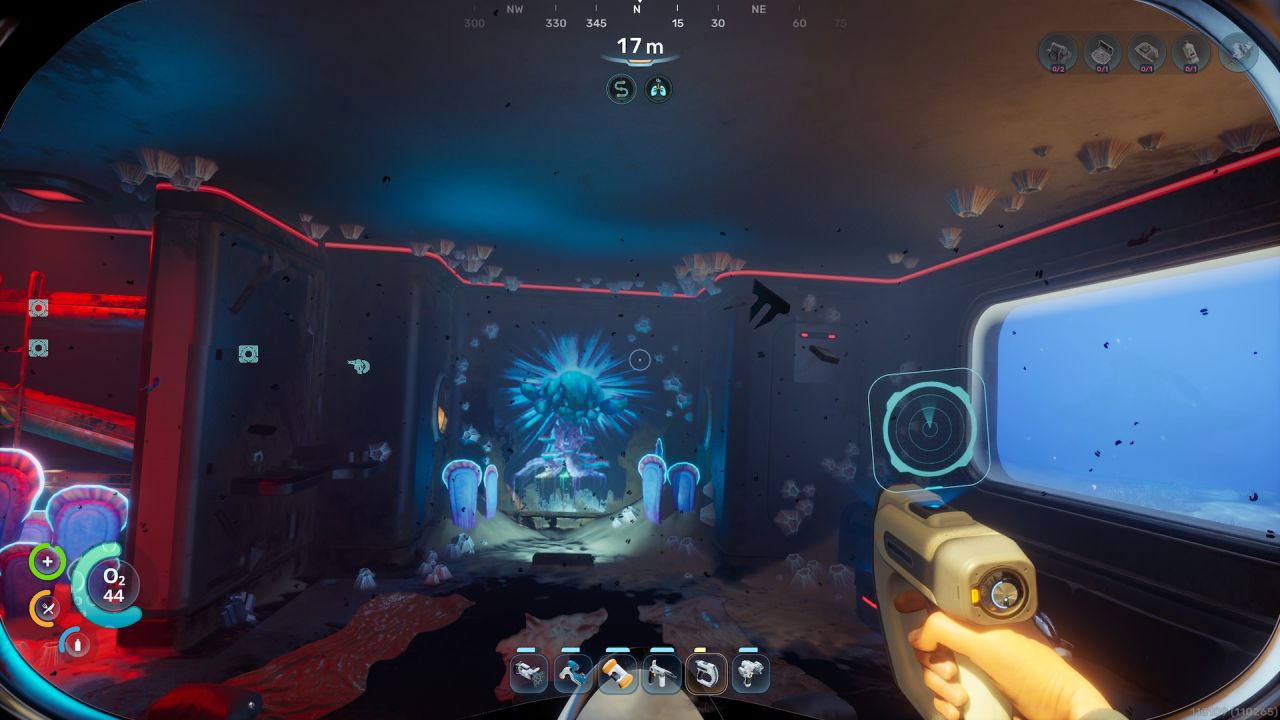
At a retail price of $30 per copy, Krafton loses $2.12 per dollar of revenue above the threshold. Because the game achieved two million units in day-one sales, the company crossed that revenue threshold within the first 48 hours of release. Internal analysts had warned leadership that a projected baseline bonus payout of $191.8 million would wipe out an enterprise value of $93.5 million, while high-end sales models predicted a liability of $242 million.
Not only did the company’s management cause a major internal disruption by attempting to circumvent the contract and remove studio leadership, but they also increased their total financial liability. While the legal dispute proceeded, rank-and-file developers at Unknown Worlds continued software production, refining content over the previous year.
The studio founders, who are eligible for the $250 million payout, are no longer involved in daily operations, but documentation indicates they plan to distribute a 10% share of the bonus pool among 40 staff members. When these details were revealed last summer, Krafton undertook a public relations campaign, promising fair compensation for all remaining employees.
The escalating financial liabilities are projected to continue to increase.
The court's decision means Krafton must pay the $250 million executive bonus pool and the additional compensation packages promised to staff amid the controversy. These combined financial liabilities are piling up as the litigation heads into its second stage.
The next stage of the trial will determine whether the company is liable for punitive damages for a bad-faith breach of contract. In an industry where major publishers frequently avoid contract liabilities through corporate restructuring or protracted litigation, the case remains an unusual example of a large company facing direct consequences for trying to dodge its clear liabilities.
Editor, NoobFeed
Related News
No Data.