
Take-Two’s “Yes” on LA Noire 2 Sparks Hope—Before the Corporate Filter Kicks In
You hear the answer you’ve been waiting for, but the fine print reminds you how these things usually go.
News by Mahi Araf on Apr 29, 2026
You’re hearing a surprisingly direct response about L.A. Noire getting a sequel, and for a moment, it actually feels real. During a recent discussion, the CEO of Take-Two Interactive appeared to confirm that something is happening when asked about a potential follow-up. The answer starts with a clear “yes,” which is the kind of response that immediately grabs attention, especially when it’s tied to a game that has been sitting dormant for years.
But then, almost as quickly as that excitement kicks in, you hear the tone shift. The conversation slides into familiar territory, the kind that usually follows any promising statement in the games industry. You get the usual lines about how everything is being evaluated, how all intellectual property is on the table, and how there’s nothing specific to announce right now. You’re told that if anything were to be revealed, it wouldn’t come from the CEO but from Rockstar Games directly.
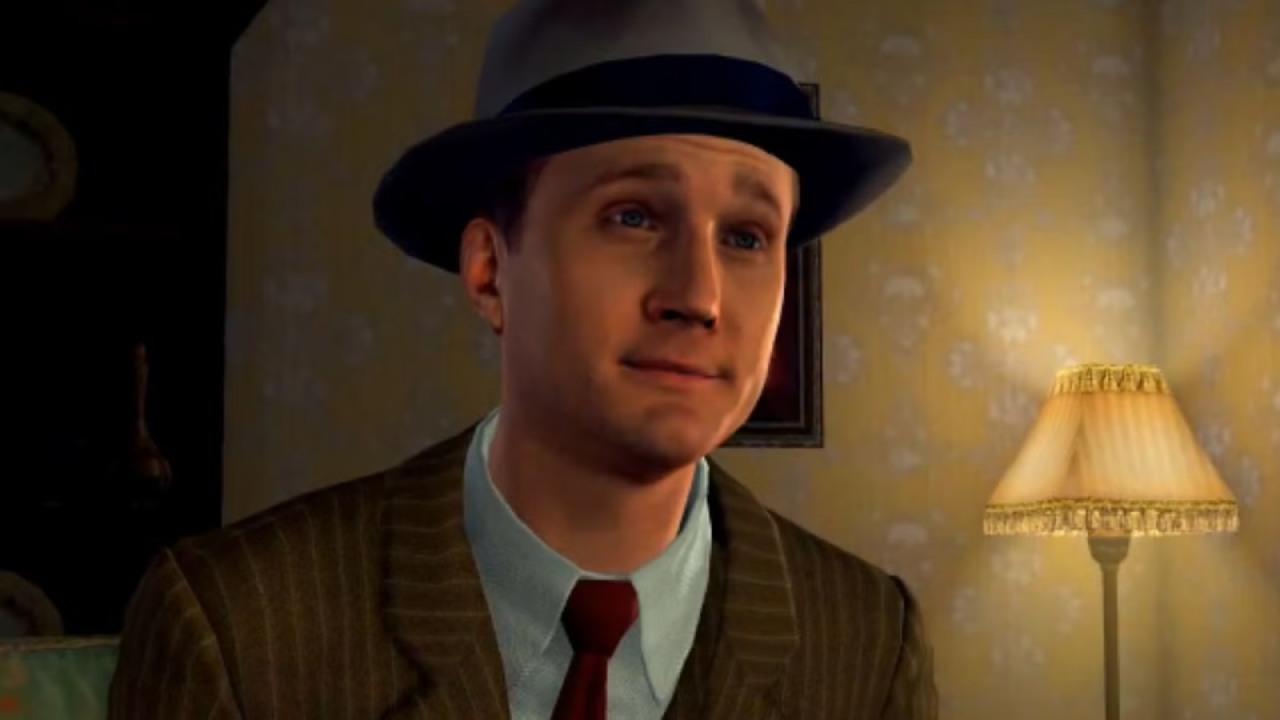
It’s the standard corporate layer that tends to soften or redirect initial enthusiasm.
Even so, the way the answer is structured gives you something to hold onto. The idea that teams are actively looking at legacy franchises and considering what could be brought back suggests that older titles haven’t been forgotten.
You get the feeling that decisions aren't just based on demand but also on whether the right team is ready and willing to work on a project at that time. That detail, while subtle, makes the situation feel a bit more grounded than a simple brush-off.
At the same time, you can’t ignore how common this kind of messaging is. Companies often say they’re always evaluating their catalog, and it doesn’t always lead anywhere. Still, compared to more dismissive responses you’ve heard in the past, this one carries a slightly different tone. Instead of shutting the idea down or deflecting completely, it keeps the door open, even if only a little.
The reaction from the journalist who first reported on the exchange says a lot about how unusual that initial “yes” felt.
It was enough to stand out before the conversation settled back into safer language. You can almost picture how quickly that moment shifted from excitement to careful clarification, as if the answer needed to be walked back into something more controlled.
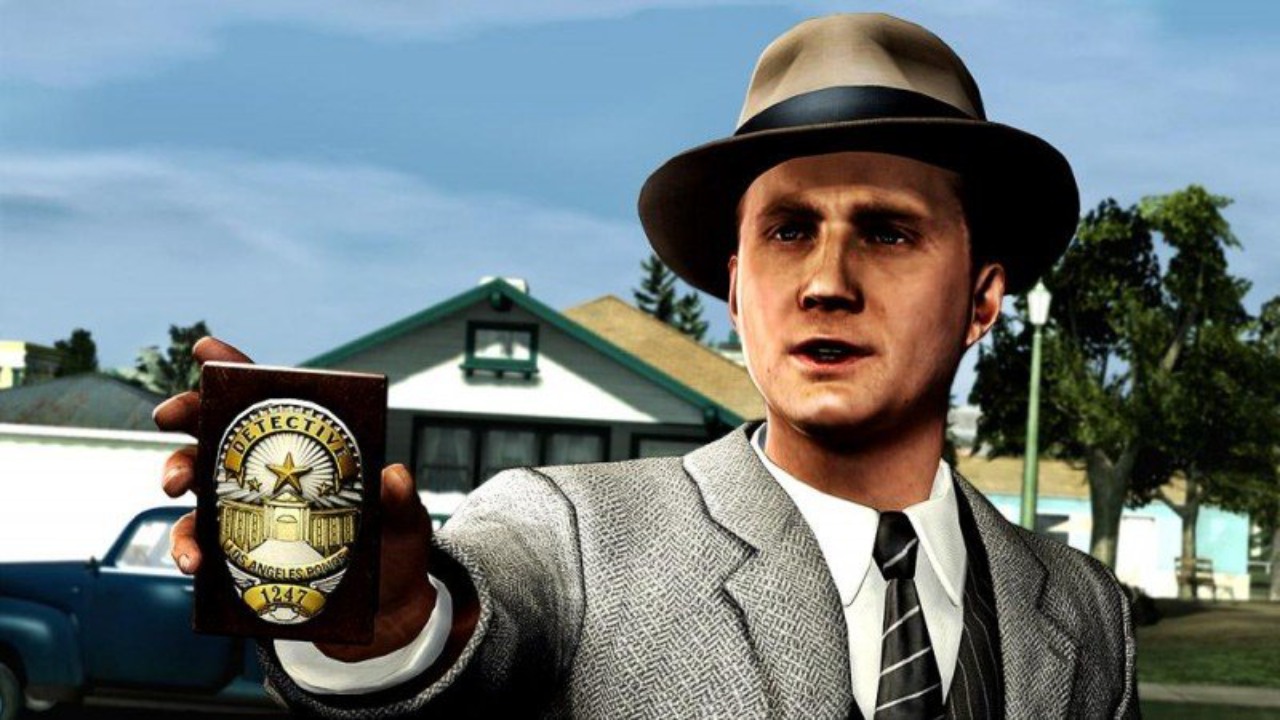
You remember that Take-Two isn't just about one franchise when you look at the big picture. The company's portfolio goes beyond just Grand Theft Auto and Red Dead Redemption, even though those games get most of the attention. When you look at the big picture, you remember that Take-Two isn't just one brand.
People are most interested in Grand Theft Auto and Red Dead Redemption, but the company makes a lot of other games as well. Projects like Judas and the BioShock franchise sit under the same umbrella, along with labels like 2K that handle titles such as Borderlands.
When you look at it that way, it makes sense that older properties are constantly being reconsidered, even if only internally.
That broader context also highlights a recurring issue. You’re dealing with a company where major releases take years, sometimes close to a decade, to complete. That pace naturally limits how many different projects can move forward at once. Even if there’s interest in revisiting something like L.A. Noire, it has to compete with massive, ongoing priorities that demand time and resources.
And then there's the actual game. You aren't just wondering if there could be a sequel; you're also wondering if there should be one. When it first came out, L.A. Noire felt very different from other games. It felt like something new because of how it told stories, where it took place, and especially how it used facial animation technology. It didn't look perfect, but that flaw became part of who it was.
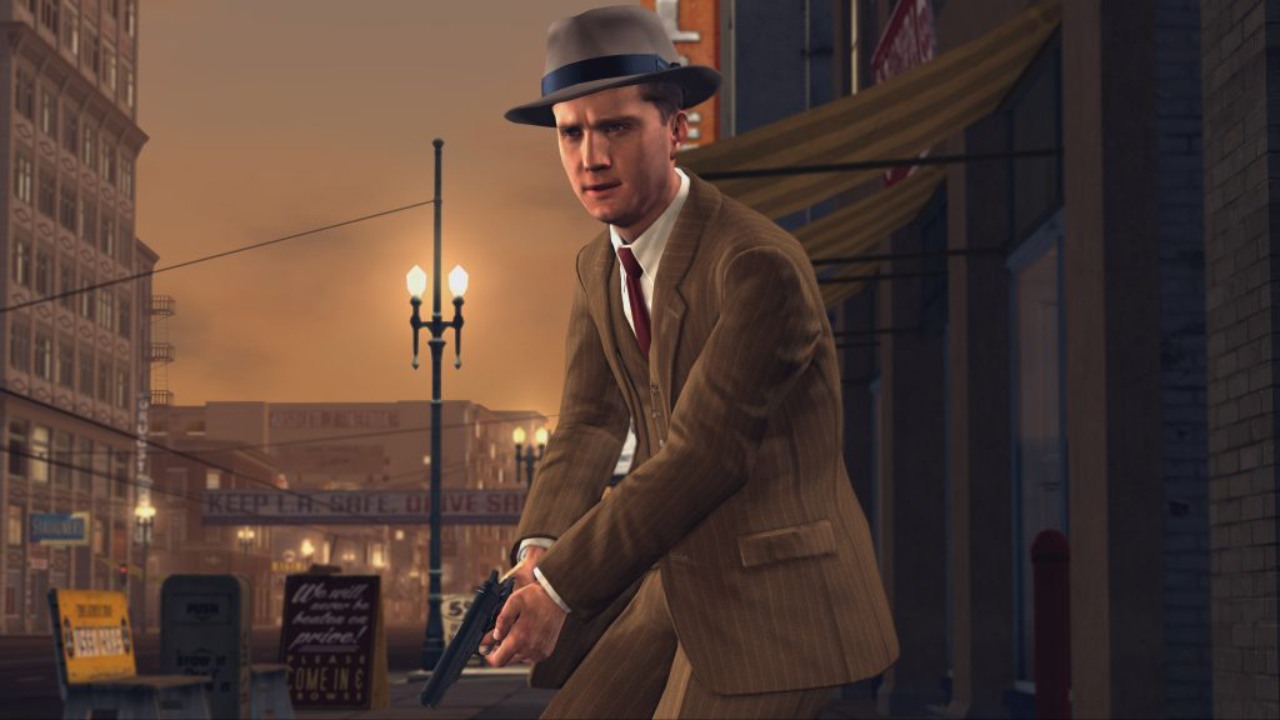
It was like a look into the future at a time when the industry was still trying to figure out how far that technology could go.
Things look very different now that we have modern tools like Unreal Engine 5. Character models and facial expressions have evolved to a point where the original game’s style would be hard to replicate in the same way. If a sequel were made today, it wouldn’t just be an upgrade—it would be a reinterpretation. That raises questions about whether you stick to the same time period and setting or try something new entirely, and each choice comes with its own challenges.
You’re left balancing two ideas at once. On one hand, you want to see that world revisited, to experience another story built around the same core concepts. But you also know how hard it would be to put into words what made the original feel so different. There’s always the risk that trying to recreate that magic could end up losing it instead.
Even with those concerns, the interest doesn’t fade. The possibility alone is enough to keep attention on the idea. That initial “yes,” even if it was quickly wrapped in corporate language, has already done its job. It puts the thought back in your mind that something could happen, even if you know how uncertain that path usually is.
Senior Editor, NoobFeed
Related News
No Data.