
From Underdog to Powerhouse: Shift Up Is Leveling Up Faster
Stellar Blade's runaway success is reshaping the studio into a next-gen action giant.
News by Zahra Morshed on Nov 29, 2025
Shift Up has reached a turning point in its history, and signs point to the studio getting ready for a big change in its creative identity. Once they had more than 100 workers, the team started looking for people in almost every field. The scale is unusual for a company of that size and suggests a shift in strategy toward much bigger goals. The speed at which Stellar Blade has been successful has changed the company's long-term path.
The depth of the hiring effort makes it easy to see what is going on. At the same time, people are being hired as combat designers, story experts, world artists, technical engineers, and animation teams. This kind of simultaneous scaling doesn't happen very often, unless a company is getting ready for a big jump in production. Shift Up's next project is likely to be bigger, more complicated, and better able to compete on a world scale than anything they have built so far.
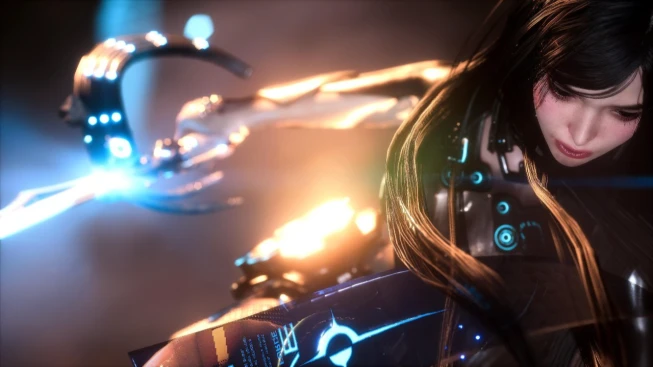
Stellar Blade's success is what makes this growth possible. After being a hit on PlayStation 5, the game went even bigger when it came out on PC. As soon as the game was added to Steam, more than a million copies were sold in just three days. That much demand is very uncommon for a single-player action game, and it made the company more well-known in the business.
When it came out for PC, it had an amazing amount of concurrent players. At its peak, the game had almost 200,000 players online at the same time, putting it in the same league as other big multiplayer games. These numbers showed a lot of resonance for a game that is based on solo combat and story development. Stellar Blade became one of the most popular action games that could be played on multiple platforms this year because of its effect.
The series sold more than three million units between the PlayStation 5 and PC. With those scores, Stellar Blade was ranked as the best single-player PC game for PlayStation at launch. The game did better than God of War, Marvel's Spider-Man, and Horizon: Zero Dawn, which were also big exclusives that moved to Steam.
At launch, it was the best-selling single-player PlayStation game on PC, which impressed experts from all over the business.
With those results, it's easy to understand why Shift Up grew so quickly. The company no longer has a small niche property, but a big hit franchise. Faster hiring, a bigger development pipeline, and new infrastructure all point to a move toward higher-budget production standards. Stellar Blade raised the studio's image, and the leaders seem determined to turn that momentum into long-term creative ability.
When getting ready for next-generation scale, studios usually have more than 100 employees. Larger teams make it possible to have open worlds, dense cinematic scenes, advanced physics pipelines, and more complex battle systems. There are also shorter iteration cycles, better performance optimization, and more complicated visual direction that are possible with them. These changes to the structure shape what a sequel is like before the first prototype is made.
The change also shows how sure Shift Up is now in the world of Stellar Blade. With more people working on it, the sequel is not likely to be a simple continuation. Instead, it might grow into bigger areas with more story levels and stronger mechanical expression. The company seems to be positioning the franchise as a rival to the biggest action movies out there right now, rather than as a smaller, independent game.
Stellar Blade's first version had a level of visual polish that you usually only see from much bigger teams. For a studio of its size, the lighting, animation quality, and responsiveness in battle were all better than expected. Now that there are a lot more people working, the creative possibility grows. The sequel might try new things with art and make the fast action that the first movie is known for even better.
You can also explore wider environments now that you have more tools. It is now possible to think about bigger battlegrounds, dynamic traversal systems, and zones that are linked to each other without affecting speed. A bigger team also makes it easier to create detailed enemies, tell stories about the environment, and build more complex missions. Together, these things point to a bigger picture for the next stage.
The next part of Shift Up comes out at a time when the action genre is changing. Players keep wanting games that look and feel like movies and have a lot of technical depth. The studio's success on two platforms shows that its games are appealing to a wide range of people, which is good for growth. The next title could become a trademark for the company, making it a major creative force around the world.
The fast growth also points to new internal processes and tests. A lot of the time, big companies use hybrid pipelines that combine cinematic direction with systemic gameplay innovation. This method lets each area test the limits without upsetting the structure as a whole. As it puts together its next project team, Shift Up seems to be getting ready for this more complex plan.
Stellar Blade's themes, character designs, and battle system hit home with gamers all over the world. Now that the sequel is here, it can build on those strengths while also exploring new tonal levels. As more writers and story teams join the project, emotional arcs and world-building may become more complicated. The studio's attention on hiring shows that it wants to improve its storytelling skills.
The switch to a multi-platform name makes it easier for more people to see the sequel. A release at the same time or almost at the same time on PC and devices would increase sales and reach. The franchise does well in a variety of markets, as shown by how well it did in both ecosystems. This gives the company some options when it comes to planning its next distribution strategy.
The current stage of growth for Shift Up is similar to the major companies' most important changes before their most famous releases. When companies grow quickly and add more creative people, they often get ready for projects that will change their global brand. The success of Stellar Blade has opened up that option, giving the company the drive to go even further.
The next game in the series might have bigger settings, better ways to customize them, and more complicated battles. The tone may become more movie-like, with more story depth and world-building features that add to the atmosphere. With a bigger team, the studio will be able to work on ideas that were previously too big or didn't have enough resources.
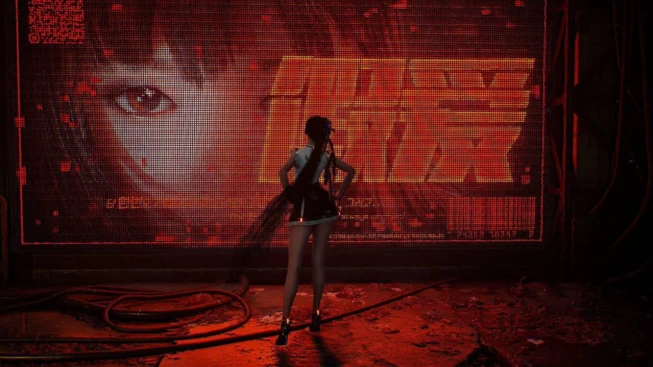
From its start as a rising Korean action studio, the company is now on the verge of becoming a global giant. Shift Up has the ability, the numbers, and the market recognition to make a sequel that will be seen all over the world. The way Stellar Blade played has changed people's standards, and the studio's next game will show where they stand in the gaming world now.
The story of how Shift Up has changed over time is both mysterious and exciting. Behind the scenes, a remake is being made with the help of new talent and new goals. People in the business are paying close attention as the studio puts together the first parts of its next plan. Stellar Blade 2 could be a turning point for the action genre because of its size, scope, and goals.
Now, the future depends on how the company uses its newfound creative power. With more money, experience, and fans, the next movie in the series could take it to a higher level than the first one. Something bigger is starting to form, and the signs show that Shift Up is getting ready to make a world that is much bigger than the last one.
Contributor, NoobFeed
Related News
No Data.