
Xbox Faces Massive Overhaul as Acquired Studios Face Closure
A major corporate overhaul threatens first party developers following a string of commercial underperformances.
News by Elme Dhee on Jun 17, 2026
A major strategic shift is unfolding within Microsoft’s gaming division, as reports indicate that Xbox is preparing to shut down or spin off several first-party development studios. High-profile teams including Ninja Theory, Double Fine Productions, Compulsion Studios, and Arkane are facing an uncertain future under the brand.
A number of these developers are currently engaged in active negotiations with corporate leadership to secure independent spin-offs. There is hope within the industry that these teams will successfully navigate buyouts to ensure their continued survival, especially historically revered creators like Double Fine.
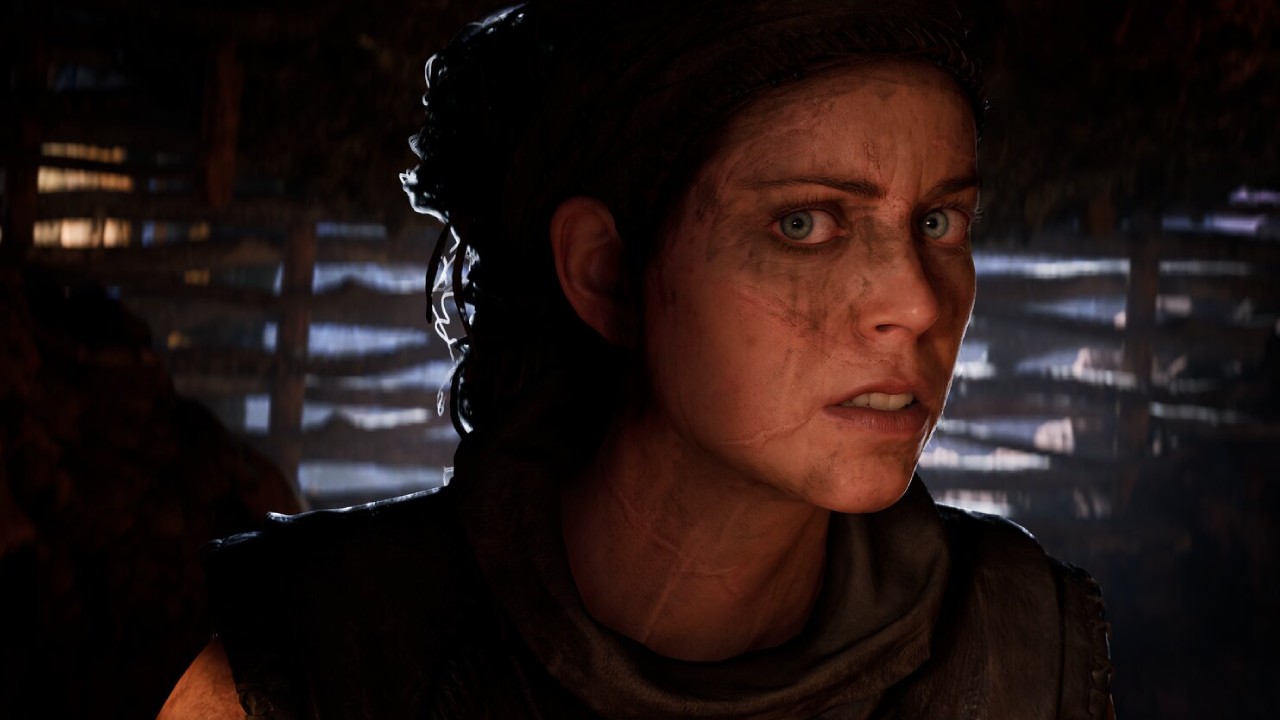
While certain flagship franchises like Psychonauts remain celebrated as masterful achievements in game design, the reality is that several of these studios have delivered a consecutive string of commercial failures since their initial acquisitions.
Long development cycles and creative freedom have placed massive financial strain on the publisher.
The current situation highlights a growing structural problem with how these first-party studios have been handled over the years. A major point of criticism falls on the corporate strategy that allowed developers total creative freedom without enforcing strict production timelines or market accountability.
While unlimited freedom sounds promising on paper, it has ultimately led teams to fail to deliver games on time. Modern production cycles are routinely stretching to six, seven, or even eight years, creating a high-risk environment for upcoming titles like Fable. When long-delayed projects finally arrive on store shelves, they are often missing the mark on what the broader gaming community actually wants to buy.
Significant commercial underperformance on Steam and Game Pass has forced a corporate reset. Ninja Theory is a prime example of this growing industry problem. After being acquired following the massive critical success of their original independent project, the studio spent seven years developing its sequel, Hellblade II.
The resulting title delivered a highly cinematic, locked thirty frames per second experience that failed to capture mainstream consumer interest. The lack of commercial traction was clearly reflected in public player databases, which showed incredibly low peak concurrent player counts upon release.
Similarly, the studio released Bleeding Edge during that same development window, an experimental multiplayer title that flopped immediately upon arrival. Even with the recent gameplay reveal of Senua, low promotional viewership suggests that finding an external buyer will be an uphill battle for the team.
Beloved legacy studios are struggling to translate critical acclaim into sustainable business revenue.
A similar trend has caught up with Double Fine Productions. Following the release of Psychonauts 2, the studio shifted resources toward smaller, experimental projects like Keeper and Kiln rather than pursuing a direct sequel. The market response to these titles has been exceptionally poor, with multiplayer tracking data showing that Kiln peaked at just 193 concurrent players on PC.
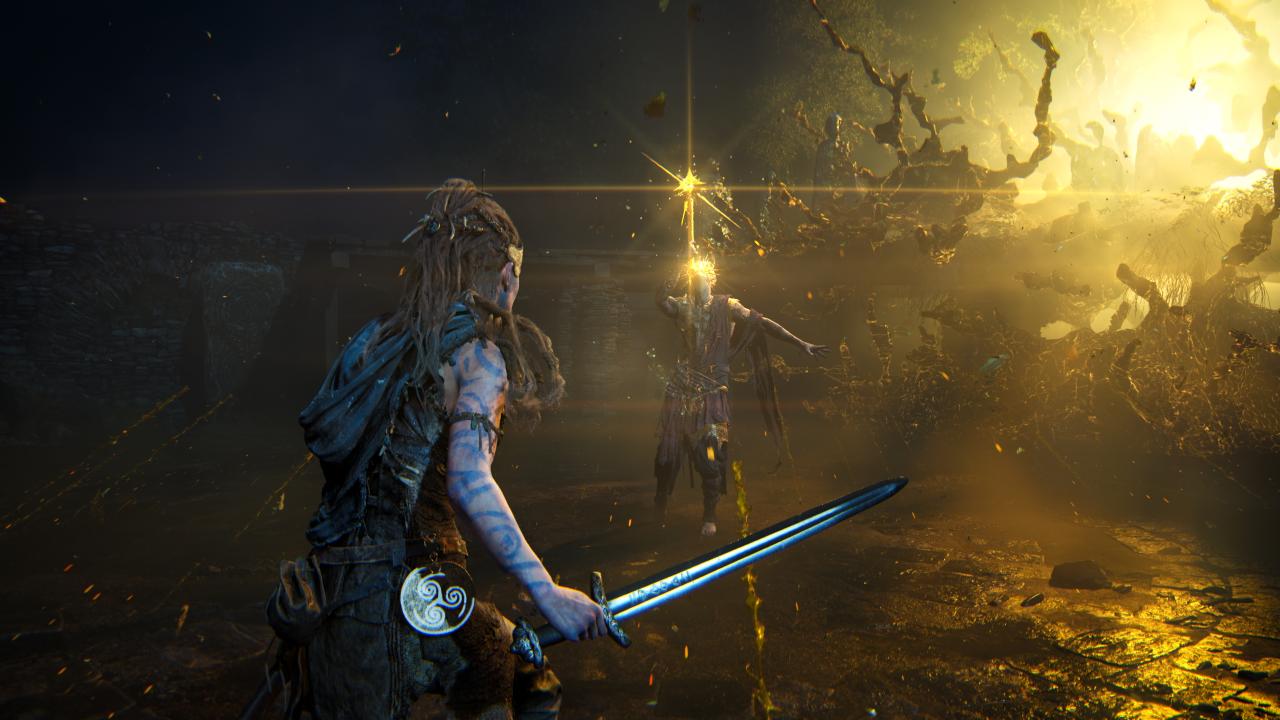
The single-player project, Keeper, faced identical disinterest, peaking at only 191 players. These numbers indicate that regardless of a studio's historical popularity, a development team must still produce commercially viable software. Ideas that sound creatively fulfilling do not always translate into successful products on the business side of the industry.
Extended production timelines require massive sales to justify modern gaming budgets.
Compulsion Studios has faced the same hurdle. Despite a strong artistic vision, titles such as We Happy Few and the latest South of Midnight failed to engage players and became high-profile commercial disappointments. None of these niche titles generated strong individual sales or drove meaningful subscription retention for the Game Pass platform.
A studio simply cannot sustain nearly a decade of financial backing from a parent company without delivering a clear return on that investment. If major upcoming releases like Fable do not achieve massive commercial success next year, even established developers like Playground Games may not get another opportunity to produce large-scale role-playing games.
Operating under the assumption that time and budget are infinite is an industry-wide problem that is completely unsustainable unless a studio possesses the rare market prestige of a massive franchise.
Editor, NoobFeed
Related News
No Data.