
Ashes of the Singularity II Review
PC
Ashes of the Singularity II offers great strategy and smart AI, but its brief campaign leaves the game feeling incomplete.
Reviewed by Elme Dhee on Nov 11, 2026
Ashes of the Singularity II is a strategy combat game, set in a world of competing human agendas and the ever-growing threat of machine intelligence. The game doesn't simplify its conflict into a good-versus-evil contest; instead, several powerful factions battle each other in a larger struggle for control. Its draw is epic armies on the march.
Stardock is back as publisher, with a real-time strategy experience focused on moving large forces, rather than individual soldiers. Players build bases, manage resources, build units, and set up attacks on large maps. The main attraction is the scale: economic and production decisions eventually shape battles with tanks, aircraft, artillery, and towering mechanical units.
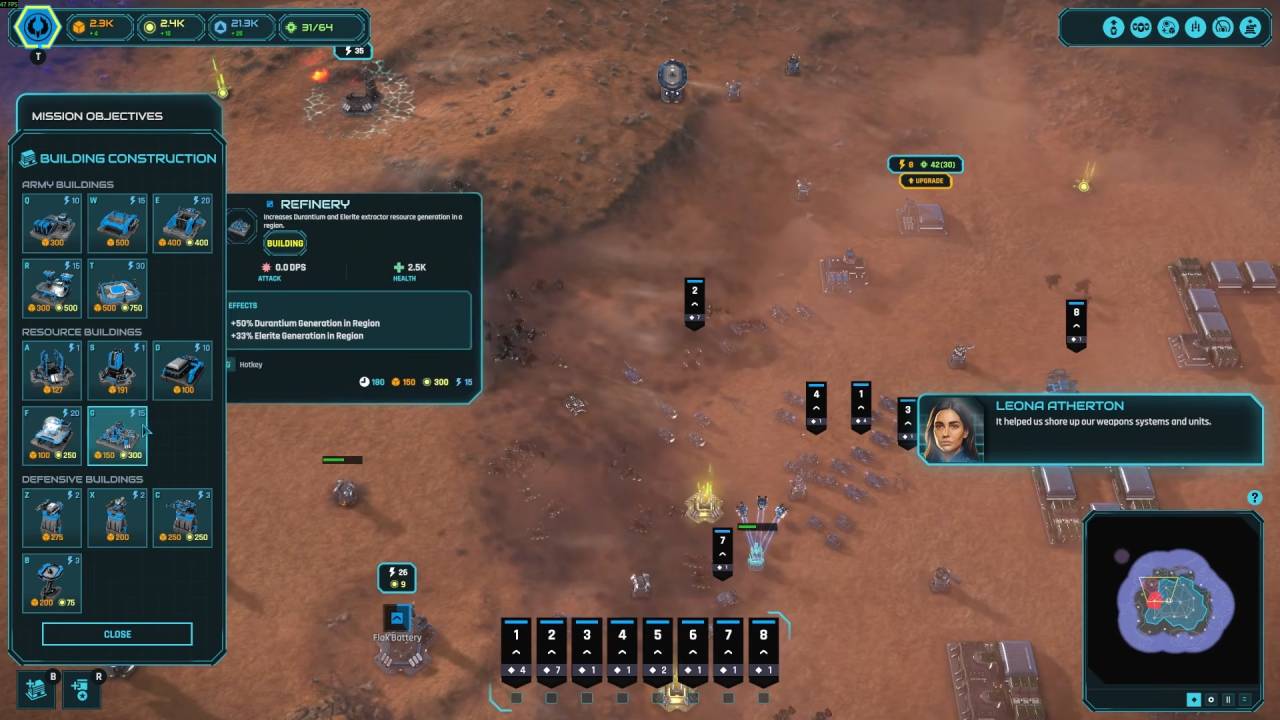
As a futuristic wargame, Ashes of the Singularity II offers several ways to engage with its conflict, including a singleplayer campaign, co-op matches, and competitive multiplayer. That range gives players multiple entry points into its strategy systems. The campaign provides structure and context, while skirmishes let players experiment with factions, maps, allies, and opponents.
Three factions will shape the future of warfare.
The conflict pits three major powers against each other: humanity, the mechanical Substrate, and the posthuman coalition known as the PHC. Each represents a different direction of warfare in this futuristic setting. They give the battlefield a unique identity, and adding a more traditional human faction changes the strategic landscape established by the previous game.
The human faction starts with familiar military hardware like tanks, aircraft, infantry, armored personnel carriers, and artillery. These familiar units make its early approach easier for newcomers to understand, particularly fans of traditional military equipment. As the campaign progresses, humanity allies with the PHC and gains access to more advanced military technology.
That sci-fi background supports themes of transhumanism, robots, artificial intelligence, and alternate history without turning every battle into a narrative spectacle. The factions are most clearly defined by their military role and the forces at their disposal. Players are encouraged to experience the conflict through the units they command, the land they fight over, and the alliances that reshape the war.
The singleplayer campaign slowly introduces the conflict.
In Ashes of the Singularity II, the singleplayer campaign currently has ten missions totaling about ten hours of gameplay. It's the main guided introduction to the factions and the game's systems, though it starts fairly tame. The first four missions are mostly tutorial, introducing the mechanics before the tougher challenges.
The gradual introduction serves a practical purpose, as the game asks players to juggle several responsibilities at once. They have to increase production, watch their resources, organize forces, and react to threats across the map. While the early missions don't offer the same thrill for veteran strategy fans, new players might enjoy the time spent learning these systems.
The campaign gets more interesting beyond those introductory stages. The reviewer cites the sixth mission as a good example, but doesn't want to reveal any details. That restraint keeps the encounter details under wraps. Still, the praise hints that Ashes of the Singularity II can deliver memorable scenarios once it lays down its mechanics and raises the stakes.
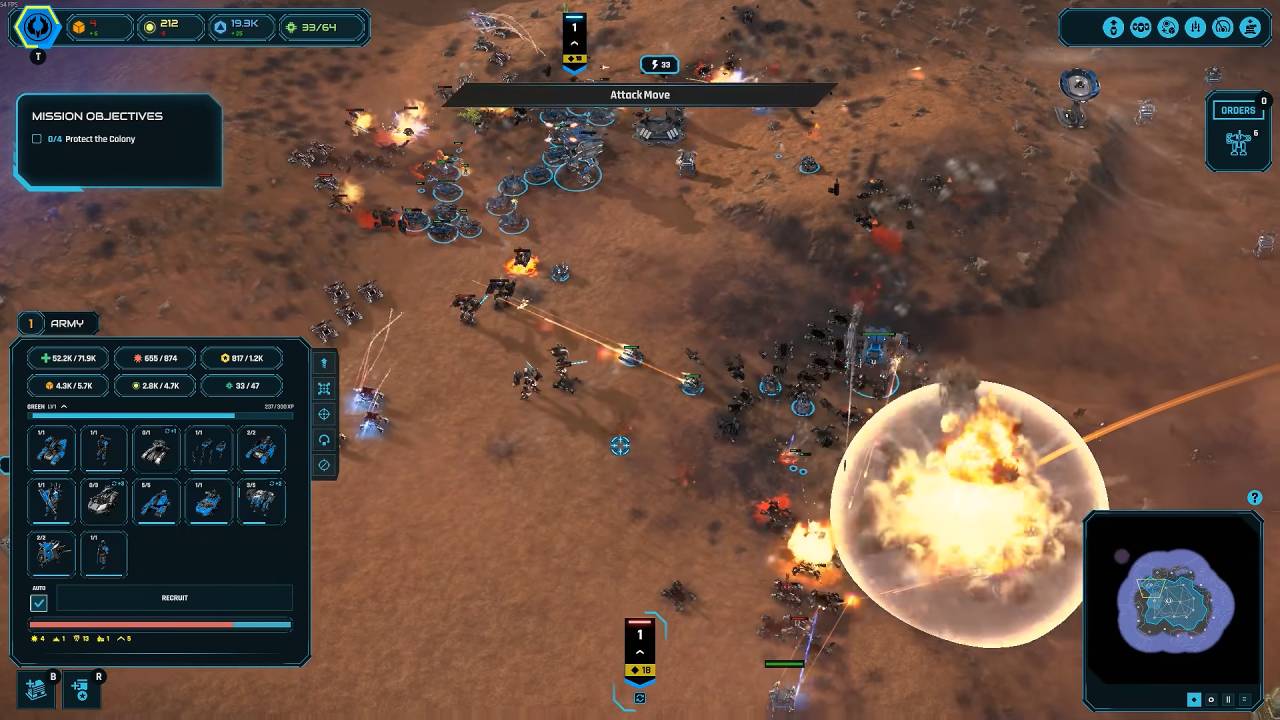
Mission seven brings a different kind of pressure, putting the player on the defensive as waves attack from four directions. The assault employs artillery, aircraft, tanks, and Titans. Even if the reviewer has seen stronger missions elsewhere, the scenario provides a demanding test of preparation and battlefield awareness.
The campaign is short and has room for improvement.
The campaign is a fairly short portion of Ashes of the Singularity II, coming in at around ten hours. It's also only the first act, with two more campaign DLC releases planned. With that structure, the story doesn't feel like a complete campaign at launch. This approach may disappoint players hoping for a full story in a single purchase.
The reviewer is openly skeptical of splitting the campaign into individual downloadable releases and prefers games to be complete packages you can buy and play. But it's too early to know the value of the planned content because we don't know how much it will cost or how much content there will be. The current campaign can still stand on its own merits, but it's part of a larger, incomplete structure, which is a big problem.
Managing multiple fronts means every decision counts.
The normal level is a real challenge because, to succeed, you have to do a lot of things at once. Players need to focus not only on sending units to the front line but also on maintaining production and ensuring their economy can support a prolonged conflict. This multitasking is central to the game's tactical feel.
This multitasking is central to the strategy layer. A strong army is not built once and sent forth to endure forever. Players must track losses, shore up key groups, and decide where to focus. The outcome can be demanding, especially when you must act on many fronts, and your resources are spread across competing priorities.
Army management reduces repetitive micromanagement on the battlefield.
One of the most useful systems in Ashes of the Singularity II is the way it manages unit groups. Players can select a formation's makeup and include artillery, tanks, Titans, bombers, air-to-air, scouts, infantry, and rocket troops. This lets you create groups with a preferred battlefield role instead of piecing together all forces by hand.
After creating a group, players can turn on automatic replenishment and assign it a waypoint. As members are lost, factories produce replacement units to help maintain the formation's intended composition. The closest available factory produces for that group, linking battlefield organization to the wider base and making factory placement relevant to army recovery.
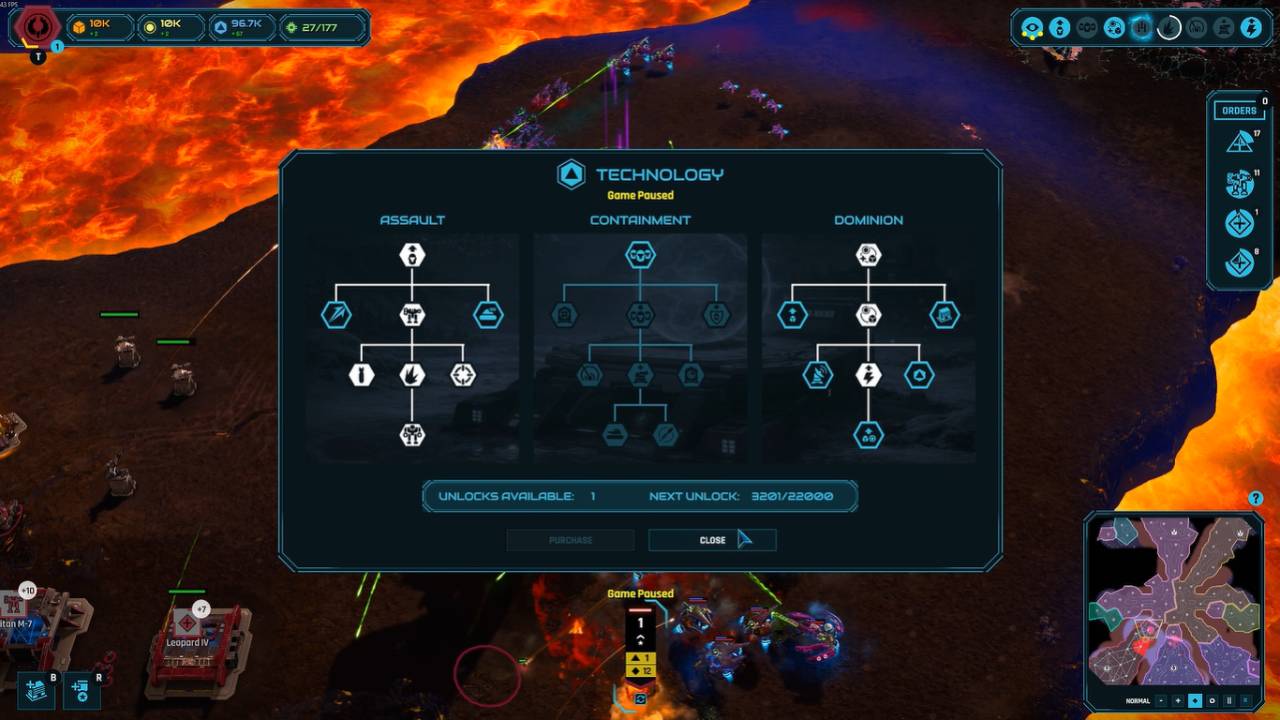
This system reduces the need to stop a battle to replace all destroyed units. Meanwhile, production continues in the background, giving players more time to think about where to move a group or what to attack. It doesn't absolve strategic responsibility, but it removes repetitive management and keeps focus on bigger decisions.
Groups can also be merged, reorganized, and renumbered as circumstances change. That flexibility is vital in engagements where you lose units or need to merge disparate forces into a more powerful combined formation. The game doesn't treat army organization as a rigid structure, but a fluid one that players can adjust as the front line evolves.
Battlefield impact of air war, economic growth.
Another major difference from the last game is the air units. The reviewer didn't like that there were planes in the first game and would have liked to see an option to turn them off. That option is removed in Ashes of the Singularity II, so players must consider air forces as part of the overall battlefield.
That was a worry at first, but the reviewer thinks the planes are better and a decent part of the sequel. They add another factor to army composition, especially when players have to account for bombers and air-to-air units. While not everyone who enjoyed the previous option will like the change, the new implementation is seen more favorably.
Your production speed depends on how many factories you have. Base expansion directly affects production speed. For commanders, building more factories is more than a routine construction job. It supports the automatic replenishment system and helps players maintain military pressure as long as their resource income can support the increased output.
Resources still dominate the flow of every match. Players must weigh the cost of increasing production against the need to deploy enough forces to defend territory and attack opponents. The transcript describes no character level or experience point system, so progression is best interpreted as economic growth, factory capacity, and the slow building of a stronger army.
Reasons to keep playing in Skirmish and Multiplayer.
Skirmish is a good option for players who want more than just the campaign. Ashes of the Singularity II offers a decent selection of maps and lets you play against AI, with the option to add AI allies or play with human friends. This flexibility lets you enjoy large battles without following a fixed mission structure.
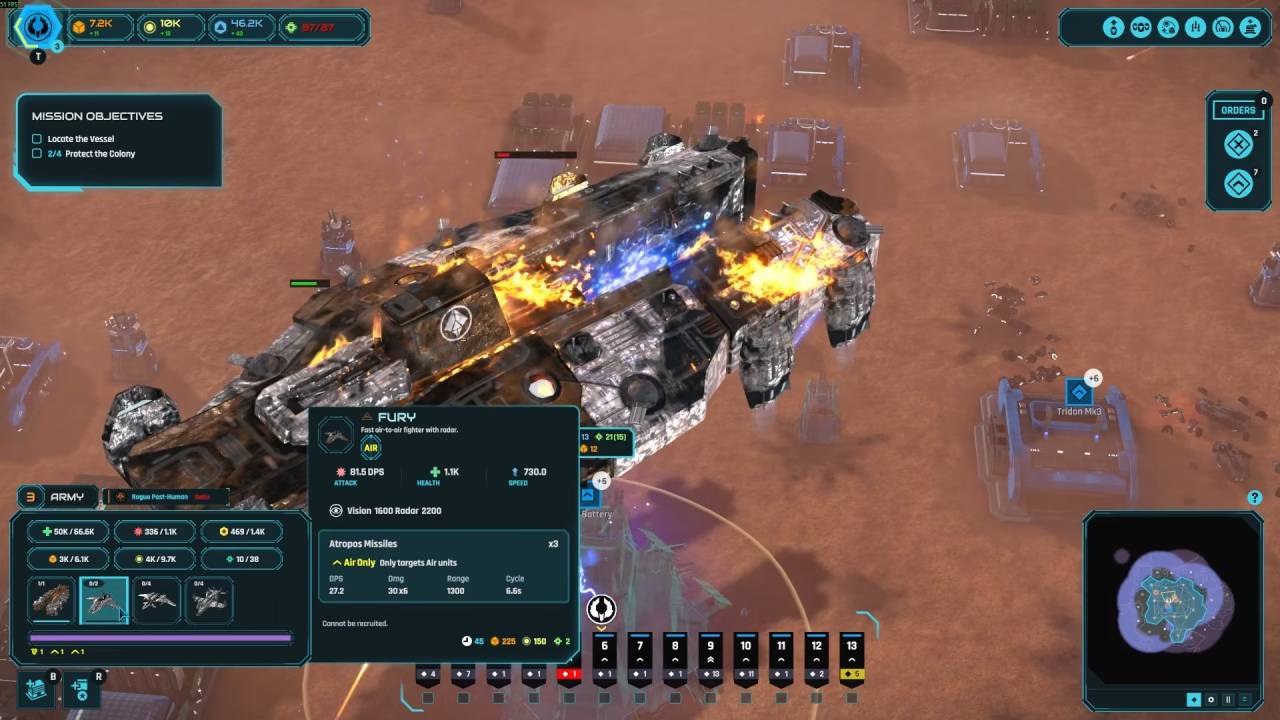
Cooperative play is especially helpful for people who would rather not bear the burden of commanding a large force alone. Friends can team up against computer-controlled foes, and AI teammates offer another way to build a squad. These options make the skirmish feel like a substantial part of the package rather than a small extra beside the singleplayer campaign.
The AI is especially praised for offering capable opposition. With an unusual team composition, the reviewer and his AI teammate got beaten twice on one map. That experience shows the computer opponents can offer real resistance, not just predictable targets. The resulting future battles are said to be satisfying and challenging.
The game's singleplayer and co-op modes are just a part of a wider offering that includes competitive multiplayer. The available material doesn't provide enough information to judge ranked systems, matchmaking, or the size of the player community. Clearly, the game lets you work together and fight head-to-head.
Big battles look awesome but can impact performance.
The overall presentation focuses on the spectacle of big futuristic armies meeting across the battlefield. The Substrate adds a more mechanical presence to the conflict, while engagements feature a diverse military profile of tanks, artillery, aircraft, and Titans. The isometric view helps players read the wider action and be aware of units spread across the map.
On the reviewer's system, with its Intel Core i9 processor and RTX 2080 graphics card, performance is mostly steady. At 1080p with high settings, the game generally maintains about sixty frames per second. This is a positive outcome for fights with large numbers of units, especially on older hardware.
A notable exception is a particularly large battle involving the Substrate, the reviewer's AI companion, and heavy artillery. In that case, performance drops to about 30 frames per second. The reviewer notes the system is older and that lowering graphical settings could help, so the drop doesn't necessarily reflect every machine.
Despite its limitations, Ashes of the Singularity II offers strong battles.
Ashes of the Singularity II offers a solid foundation for fans of large-scale real-time strategy. Its faction variety, flexible army management, capable AI, and skirmish options make for engaging battles, while its economy gives production decisions real weight. It can be fun at times, but the short length and planned DLC structure leave the package feeling incomplete.
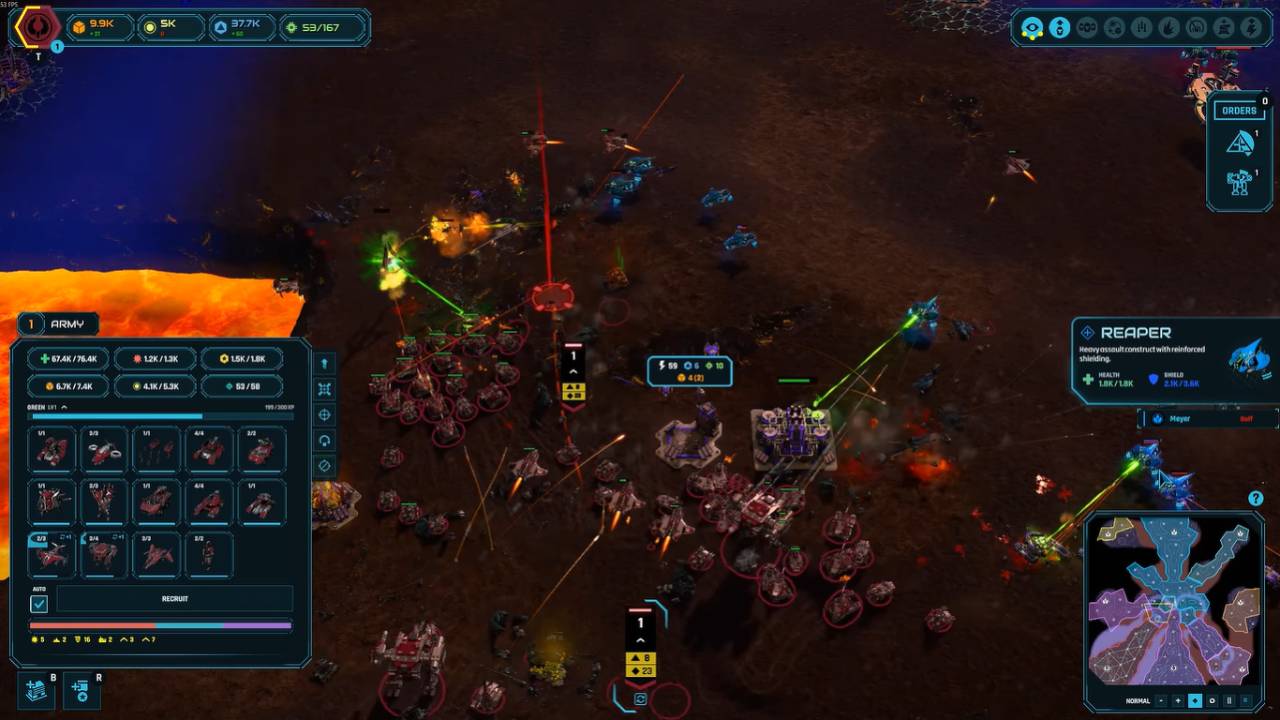
Skirmish mode is the best part of the experience, with the AI providing a real challenge and the unit-management systems keeping large battles manageable. The campaign has its moments (especially in later missions), but 10 hours throughout the first act might leave players wanting more. Its future expansions will count for much.
The familiar strategic foundations will be known to fans of the previous game, but with some meaningful additions, mainly the human faction and better aircraft. The tutorial missions at the start of the game also provide an entry point for those new to the genre. If you want a long, self-contained campaign, however, be cautious until the rest of the story content and its pricing becomes clear.
It is ultimately a very good science-fiction strategy game, and its best qualities emerge when players can build armies, coordinate production, and face challenging AI opponents. The conflict is marked by its themes of futuristic war, artificial intelligence, and transhumanism. The campaign doesn't quite feel done, but the skirmish experience makes these battles worth revisiting.
Editor, NoobFeed
Verdict
Ashes of the Singularity II is a very good futuristic RTS with excellent skirmishes and challenging AI, although its short campaign and planned DLC leave the overall package feeling incomplete.
72
Related News
No Data.